
recipe pancakes without baking powder

- The Best recipe pancakes without baking powder
- Classic Fluffy Pancakes Without Baking Powder
- 🥘Ingredients
- 👨🍳Directions
- 🔧Equipment
- 📊Nutrition Facts (per serving)
- 📝Notes
- Watch Video Of How Classic Fluffy Pancakes Without Baking Powder Works
- ❓ Frequently Asked Questions About Fluffy Pancakes Without Baking Powder
The Best recipe pancakes without baking powder
I like that they’re simple enough to whip up in under twenty minutes, but still feel special. No fancy ingredients, no fuss—just good, wholesome pancakes that taste great whether you’re serving them for a family dinner or a weekend brunch. The natural sweetness from the banana and applesauce makes them a healthier twist on classic pancakes, and the lack of baking powder means they’re lower in sodium too. Plus, they’re naturally gluten-free if you use the right flour, which is great if someone in the family has dietary needs. It’s a recipe that’s always a hit, whether it’s a weekend treat or a go-to morning meal.
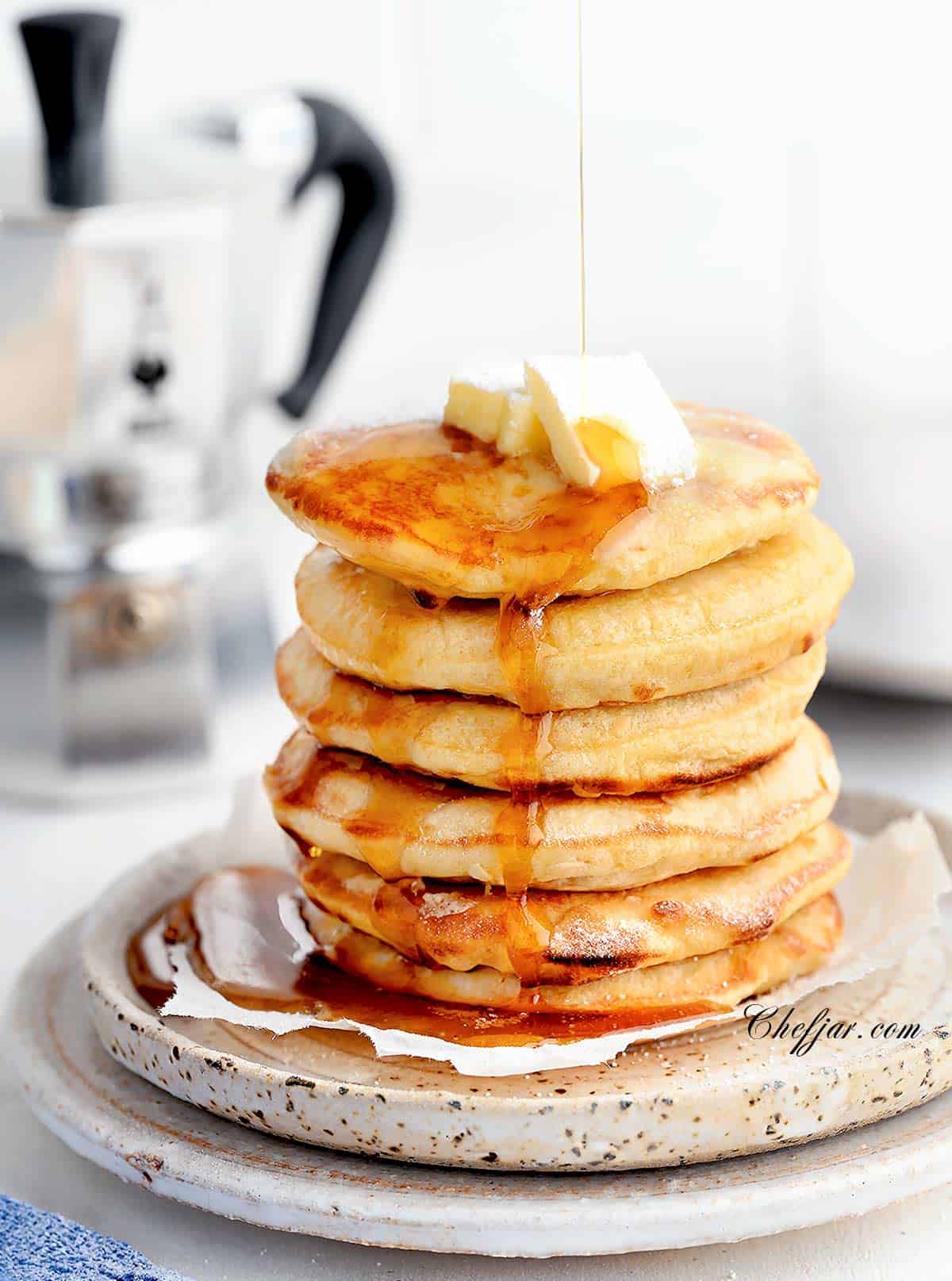
Classic Fluffy Pancakes Without Baking Powder
A simple, foolproof method for fluffy pancakes using just flour and a touch of baking soda for lift. Perfect for breakfast or brunch with a tangy tomato sauce drizzle.
🥘Ingredients
- 2 cups all-purpose flour
- 1 tsp baking soda
- 1 tsp salt
- 2 large eggs
- 1 cup milk
- 1 tbsp melted butter
- 1 cup tomato sauce
- 1 tbsp honey
- 1 tsp lemon juice
- Pinch of red pepper flakes (optional)
👨🍳Directions
-
1
Preheat a nonstick skillet over medium heat. Lightly grease with butter. -
2
In a large bowl, whisk together flour, baking soda, and salt. Add eggs, milk, and melted butter. Mix until smooth and slightly thickened. -
3
Cook 1/4 cup batter per pancake in the skillet over medium heat, stirring gently once edges set. Flip when the top is bubbly and golden. -
4
Serve warm with a drizzle of tomato sauce mixed with honey, lemon juice, and red pepper flakes.
🔧Equipment
- Mixing bowls
- Whisk
- Nonstick skillet
📊Nutrition Facts (per serving)
📝Notes
Watch Video Of How Classic Fluffy Pancakes Without Baking Powder Works
❓ Frequently Asked Questions About Fluffy Pancakes Without Baking Powder
1. Why do some people prefer pancakes made with baking powder over those without?
Baking powder pancakes rise more quickly and produce a lighter, fluffier texture because baking powder contains both an acid and a base, which react when mixed with liquid to release carbon dioxide. Without it, the pancakes rely on natural leavening from the flour or a single acid (like cream of tartar), resulting in a denser, thicker consistency.
2. Can I substitute baking powder for baking soda in this recipe?
No, you cannot use baking soda as a direct substitute. Baking soda acts alone as a leavening agent, while baking powder contains both baking soda and an acid (like cream of tartar), which creates a more balanced rise. For a similar effect, you could use a mix of baking soda and cream of tartar, but the flavor and texture may differ slightly.
3. What if I don’t have baking powder on hand?
You can make pancakes without baking powder by using a small amount of vinegar or lemon juice in the batter to help them rise. Another method is to add an extra egg or a spoonful of sour cream—these ingredients add moisture and slight acidity, which can help lift the pancakes slightly. However, the texture will still be denser than traditional pancakes.
4. How do I know when my pancakes are done without baking powder?
Since these pancakes won’t rise as much, they’ll cook faster and become firm and golden-brown on top. Flip them when the edges start to pull away from the pan and the tops look set but still slightly soft. Overcooking can make them tough, so keep an eye on them.
5. Can I make these pancakes ahead of time and reheat them?
Yes, you can store leftover pancakes in an airtight container at room temperature for up to two days or freeze them for up to three months. To reheat, warm them in a dry skillet over medium heat until heated through, or use a toaster or microwave. Adding a little butter or syrup when reheating can help restore moisture.


