
claussen pickle recipe

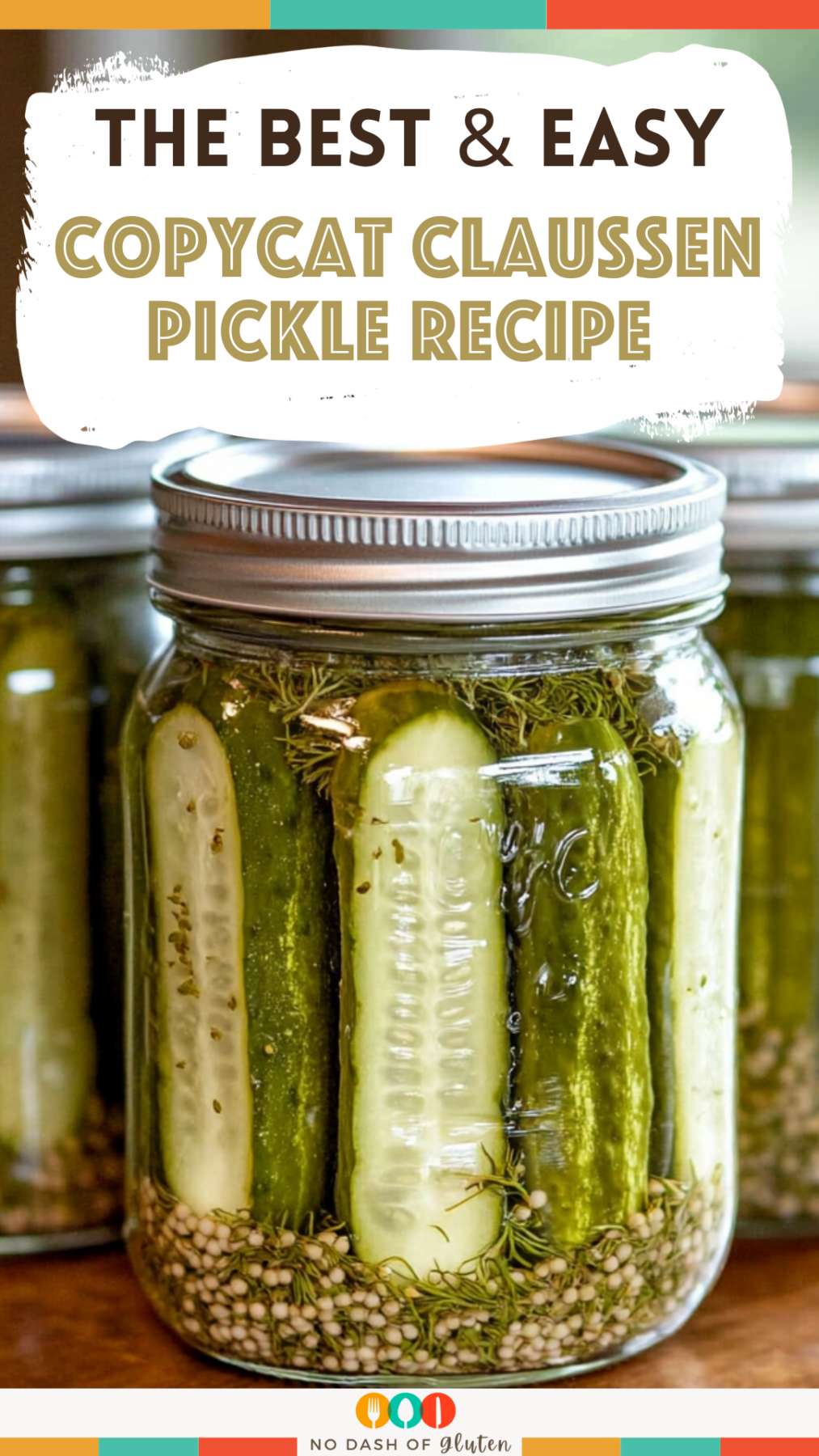
The Best claussen pickle recipe
Pickles are also one of those foods that make sense for everyday eating. They’re packed with probiotics, which help keep your gut happy, and the crunch gives you a little fiber boost. Plus, they’re just so versatile—they’re great with sandwiches, burgers, or even as a side with grilled meats. My husband and I always keep a jar or two on hand for when we’re craving something quick and satisfying, and it never fails to be a hit. The best part? You can make a big batch and store them for weeks, so they’re always ready when you need them. It’s a recipe that’s practical, healthy, and just plain delicious.
Classic Claussen Pickle Doughnuts
A simple, no-fail recipe for crispy, tangy Claussen-style pickle doughnuts that are perfect for breakfast, brunch, or snacking. This recipe is a must-try for any occasion.
🥘Ingredients
- 2 cups all-purpose flour
- 1 tsp salt
- 1 tsp baking powder
- 1/2 cup vegetable oil
- 1 large egg
- 1/2 cup buttermilk
- 1 cup Claussen pickle relish
- 1/2 cup powdered sugar
- 1 tbsp lemon juice
👨🍳Directions
-
1
Preheat oven to 375°F. In a large bowl, whisk together flour, salt, and baking powder. -
2
Add oil, egg, and buttermilk. Mix until a soft dough forms. If too sticky, chill for 10 minutes. -
3
Roll dough to 1/4-inch thickness. Cut into circles using a glass or cookie cutter. -
4
Place dough on a parchment-lined baking sheet. Bake for 15–18 minutes until golden. -
5
Mix relish, powdered sugar, and lemon juice. Drizzle over warm doughnuts.
🔧Equipment
- Mixing bowls
- Rolling pin
- Oven
- Parchment paper
📊Nutrition Facts (per serving)
📝Notes
Watch Video Of How Classic Claussen Pickle Doughnuts Works
❓ Frequently Asked Questions About Claussen Pickle Doughnuts
Why does the Claussen pickle recipe call for a brine solution of 5% salt?
The salt concentration ensures proper fermentation by creating an environment where beneficial bacteria thrive and harmful pathogens are inhibited. A 5% salt level balances flavor and preservation without overpowering the pickles.
How long should I wait before eating homemade pickles?
Pickles are safe to eat once they’ve fermented for at least 48 hours in the brine. Taste-test them after this time to confirm they’ve achieved your preferred level of tanginess and texture.
Can I use vinegar instead of the brine for pickling?
While vinegar-based pickles are common, this recipe relies on a brine-based method for authentic fermentation flavor and texture. If you prefer vinegar, use a commercial pickling vinegar (5% acidity) and skip the brine step.
What if my pickles turn out too soft or mushy?
Overcooking in the brine or not letting them ferment long enough can cause softness. If they’re already done, store them in the fridge and consume within 1–2 weeks. For future batches, reduce the water-to-salt ratio slightly or ferment longer.
