
gyudon recipe japanese

The Best gyudon recipe japanese
One of the best things about gyudon is how adaptable it is. You can make it a quick weeknight dinner or a make-ahead meal for a busy school night. And honestly, the flavors are so satisfying—sweet, savory, and just a little bit spicy—that it’s hard to resist. I also appreciate how it’s packed with protein and vegetables, so it’s not just about indulging, but also about nourishing your body. It’s a dish that feels indulgent but is actually pretty healthy, making it a great choice for any occasion. Whether you’re feeding a crowd or just enjoying it with your family, gyudon never disappoints.
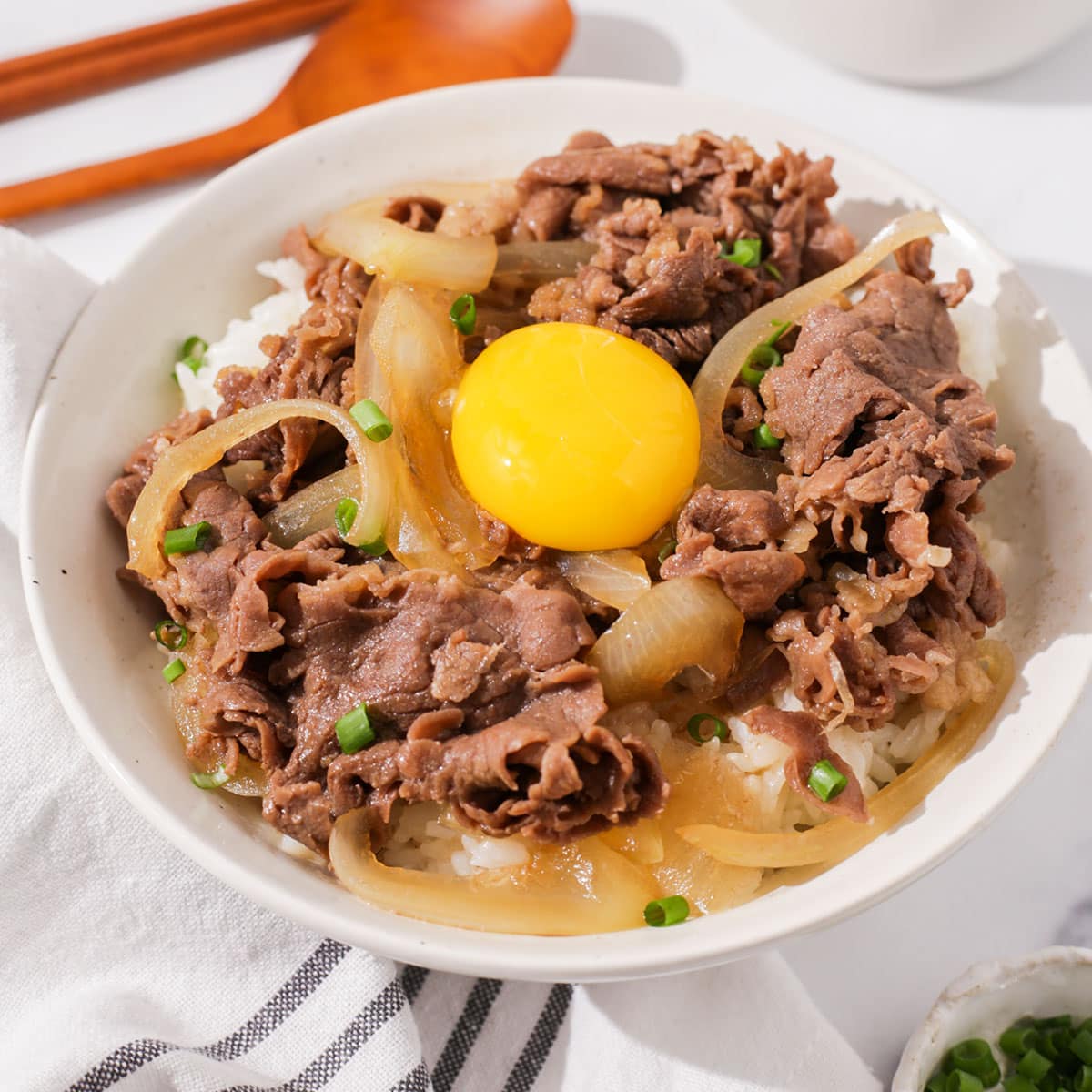
Classic Japanese Gyudon (Beef Bowl)
A comforting bowl of tender beef and savory sauce over fluffy rice, a staple in Japanese home cooking. This version keeps the flavors authentic while making prep simple.
🥘Ingredients
- 1 lb thinly sliced beef (sirloin or flank steak)
- 1 tbsp soy sauce
- 1 tbsp mirin
- 1 tbsp sake
- 1 tsp sugar
- 2 cups all-purpose flour
- 1 tsp salt
- 1 tsp sugar
- 1 packet dry yeast (active dry)
- 1 cup tomato sauce
- 2 cloves garlic, minced
- 1 tbsp grated ginger
- 1 tbsp soy sauce
- 1 tbsp mirin
- 1 tbsp sake
- 1 tsp sugar
- 4 cups cooked white rice
- 1 green onion, sliced
- 1 tbsp vegetable oil
👨🍳Directions
-
1
Preheat oven to 375°F. In a bowl, combine beef with soy sauce, mirin, sake, and sugar. Marinate for at least 30 minutes. -
2
For the dough, mix flour, salt, sugar, and yeast with 1 cup warm water until a soft dough forms. Knead lightly and let rest for 10 minutes. -
3
Roll the dough into thin sheets and cut into small squares. Place on a baking sheet lined with parchment paper. -
4
Bake for 15 minutes until golden. Meanwhile, heat oil in a skillet over medium-high heat. -
5
Cook beef in batches until browned and slightly charred, about 3–4 minutes per side. Set aside. -
6
In the same skillet, sauté garlic and ginger until fragrant. Add tomato sauce, soy sauce, mirin, and sake. Simmer for 5 minutes. -
7
Assemble bowls with rice, beef, dough squares, and sauce. Garnish with sliced green onion.
🔧Equipment
- Cutting board
- Sharp knife
- Mixing bowls
- Skillet
- Oven
📊Nutrition Facts (per serving)
📝Notes
Watch Video Of How Classic Japanese Gyudon (Beef Bowl) Works
❓ Frequently Asked Questions About Japanese Gyudon (Beef Bowl)
1. What is gyudon, and how does it differ from other Japanese beef dishes?
Gyudon is a classic Japanese beef bowl, typically featuring thinly sliced beef, onions, and a savory-sweet broth. Unlike stir-fried dishes like teriyaki beef or grilled skewers, gyudon is usually served steamed or simmered, allowing the flavors to meld gently. The key difference is the preparation method—gyudon relies on slow cooking to tenderize the beef and infuse the broth with rich, umami notes.
—
2. Can I substitute ground beef for sliced beef in gyudon?
While sliced beef is traditional, you can use ground beef if you prefer. Cook it in a pan with a little oil until fully browned, then add the onions and broth. The texture will be slightly different, but the dish will still taste delicious. Just keep an eye on it to avoid overcooking the ground beef, as it can dry out quickly.
—
3. What’s the best cut of beef for gyudon, and how do I choose one?
For gyudon, a lean but flavorful cut like ribeye, sirloin, or flank steak works best. Look for beef that’s well-marbled (small pockets of fat) for extra tenderness. If you’re buying pre-sliced, opt for thin, even slices—thickness affects how quickly they cook. Avoid overly fatty cuts like chuck, as they can make the broth greasy.
—
4. How do I adjust the sweetness in the gyudon broth?
The sweetness comes from ingredients like sugar, mirin, or sake. If you want it sweeter, add an extra 1–2 teaspoons of sugar or a splash of mirin (a Japanese cooking wine). For a milder taste, reduce the sugar by half or skip mirin entirely. Taste as you go—gyudon’s broth should balance savory and sweet without being cloying.
—
5. Can I make gyudon ahead of time, and how should I store it?
Yes! Gyudon tastes even better the next day. Let the beef cool, then store it in an airtight container in the fridge for up to 3 days. Reheat gently in a pot or microwave, adding a splash of water or broth to keep it moist. Avoid reheating it in the microwave if possible, as it can make the beef tough.
