
pickling brine recipe

The Best pickling brine recipe
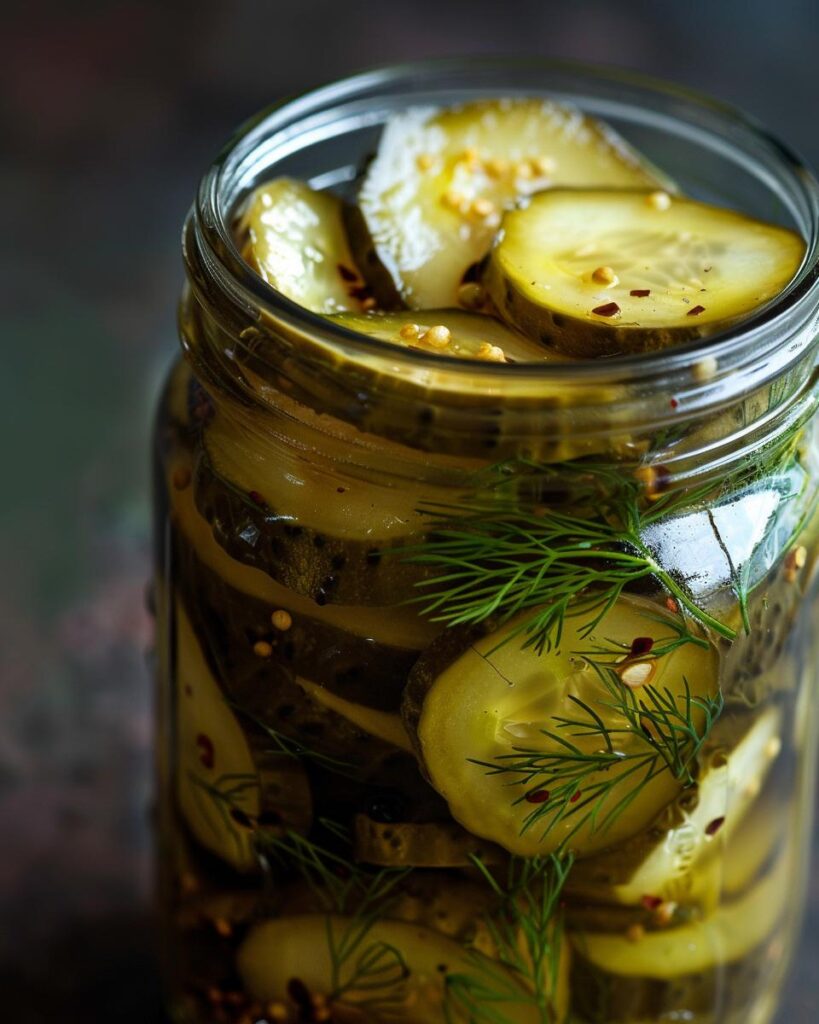
Easy Homemade Pickled Vegetables
A simple, tangy brine preserves crunchy vegetables like cucumbers, radishes, and carrots for weeks. Perfect for adding to sandwiches, salads, or snacking alone.
🥘Ingredients
- 4 cups water
- 2 cups white vinegar
- 1 tbsp salt
- 1 tsp black peppercorns
- 2 cloves garlic, smashed
- 1 tsp mustard seeds
- 1 tsp red pepper flakes (optional)
- 4 large cucumbers, thinly sliced
- 4 medium radishes, sliced
- 4 medium carrots, julienned
- 1 small onion, thinly sliced
👨🍳Directions
-
1
Rinse vegetables under cold water and pat dry. Slice or julienne them evenly for consistent pickling. -
2
In a large pot, combine water, vinegar, salt, peppercorns, garlic, mustard seeds, and red pepper flakes. Bring to a boil. -
3
Once boiling, reduce heat and simmer for 5 minutes. Remove from heat and let cool slightly. -
4
Pack vegetables tightly into clean jars, leaving 1-inch headspace. Pour the hot brine over them, ensuring full coverage. -
5
Wipe jar rims with a clean cloth, place lids on, and secure with twine. Process jars in a boiling water bath for 10 minutes.
🔧Equipment
- Large pot
- Clean jars with lids
- Kitchen twine
- Thermometer
📊Nutrition Facts (per serving)
📝Notes
Watch Video Of How Easy Homemade Pickled Vegetables Works
❓ Frequently Asked Questions About Pickled Vegetables
1. How long should I let the pickles sit in the brine before eating?
Pickles are best enjoyed within two to four weeks, but they’ll keep for months in the fridge. For maximum tanginess and safety, let them sit for at least a week—this allows flavors to fully develop and ensures proper acidity.
2. Can I use vinegar from my pantry instead of distilled white vinegar?
Yes, but for best results, use a food-grade vinegar with at least 5% acetic acid (like white vinegar or apple cider vinegar). Avoid flavored or colored vinegars, as they may alter the pickle’s taste or appearance.
3. What if I don’t have a water bath canner for water bath pickling?
You can still pickle safely by simmering the jars in a pot of boiling water for 10–15 minutes after sealing. Just ensure the jars stay fully submerged and don’t move while heating.


