
pie crust recipe with lard

The Best pie crust recipe with lard
I love this recipe because it’s versatile enough to work in any pie, yet it’s simple enough to be a daily staple. The lard keeps the crust soft and flaky, which is perfect for both sweet and savory dishes. My family adores it because it’s not just delicious—it’s reliable. There’s no guessing with this one; it never turns out dry or tough, even if I’m in a hurry. And the health benefits? Well, lard is a saturated fat, but in moderation, it adds a richness that’s hard to replicate with butter alone. It’s the kind of recipe that makes you feel like you’re doing something special, even if you’re just making it for yourself. It’s the kind of comfort food that’s worth repeating, time and time again.
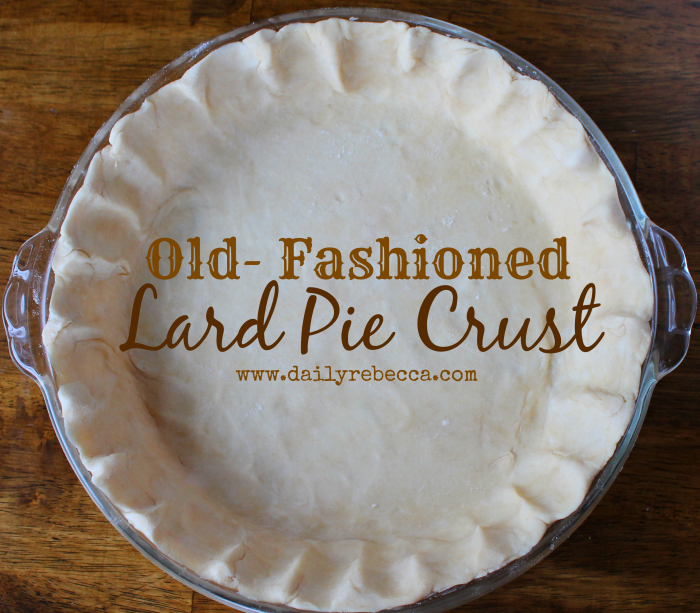
Classic Lard Pie Crust Recipe
A flaky, buttery pie crust made with lard for a tender, golden texture—ideal for pies, quiches, or tart shells. This recipe is a must-try for any occasion.
🥘Ingredients
- 2 cups all-purpose flour
- 1 tsp salt
- 1 cup lard, chilled
- 1 large egg, room temperature
- 1 tbsp ice water
👨🍳Directions
-
1
Preheat oven to 425°F. On a clean surface, combine flour and salt in a bowl. -
2
Cut in the chilled lard with a pastry cutter or your fingers until the mixture resembles coarse crumbs. -
3
Add the egg and ice water, mixing just until the dough comes together. Do not overwork. -
4
Divide the dough into two equal pieces, flatten slightly, and wrap each in plastic. Chill for 30 minutes. -
5
Roll out one piece of dough on a lightly floured surface into a 12-inch circle. Transfer to a pie dish and trim excess. -
6
Bake the crust at 425°F for 15 minutes until lightly golden. Reduce heat to 375°F and bake for another 10–12 minutes until firm.
🔧Equipment
- Mixing bowl
- Rolling pin
- Pie dish
- Baking sheet
📊Nutrition Facts (per serving)
📝Notes
Watch Video Of How Classic Lard Pie Crust Recipe Works
❓ Frequently Asked Questions About Lard Pie Crust
How do I know if my lard is safe to use for pie crust?
Use lard that is cold-pressed and labeled “for cooking” or “for frying.” Avoid lard that smells rancid, has a discolored color, or has a greasy texture. If unsure, thaw it in the fridge overnight and smell it—fresh lard should have a clean, slightly nutty aroma.
Can I substitute butter for lard in pie crust?
Yes, you can, but the texture will differ slightly. Butter-based crusts are flakier but may be slightly more tender. Use unsalted butter for better control over seasoning. For a 1:1 swap, chill the butter to a firm consistency before using.
Why does my pie crust sometimes turn out tough or dense?
Tough or dense crust often happens when the lard isn’t cold enough before mixing, the dough isn’t chilled properly before rolling, or overworking the dough. Keep lard icy-cold, roll the dough gently, and avoid pressing too hard when shaping.
How long should I rest the pie crust before baking?
Rest the rolled-out crust in the fridge for at least 30 minutes before transferring it to the pie dish. This helps the dough relax and prevents shrinking during baking. If you’re in a hurry, a 15-minute rest at room temperature works, but chilling is ideal.
Can I make pie crust ahead of time and freeze it?
Yes, you can freeze the dough balls or rolled crust before baking. Place them in a single layer on a tray and freeze for 1 hour, then transfer to a bag or container. Thaw in the fridge overnight before rolling and filling. Freezing works best for crusts that aren’t used immediately.
