
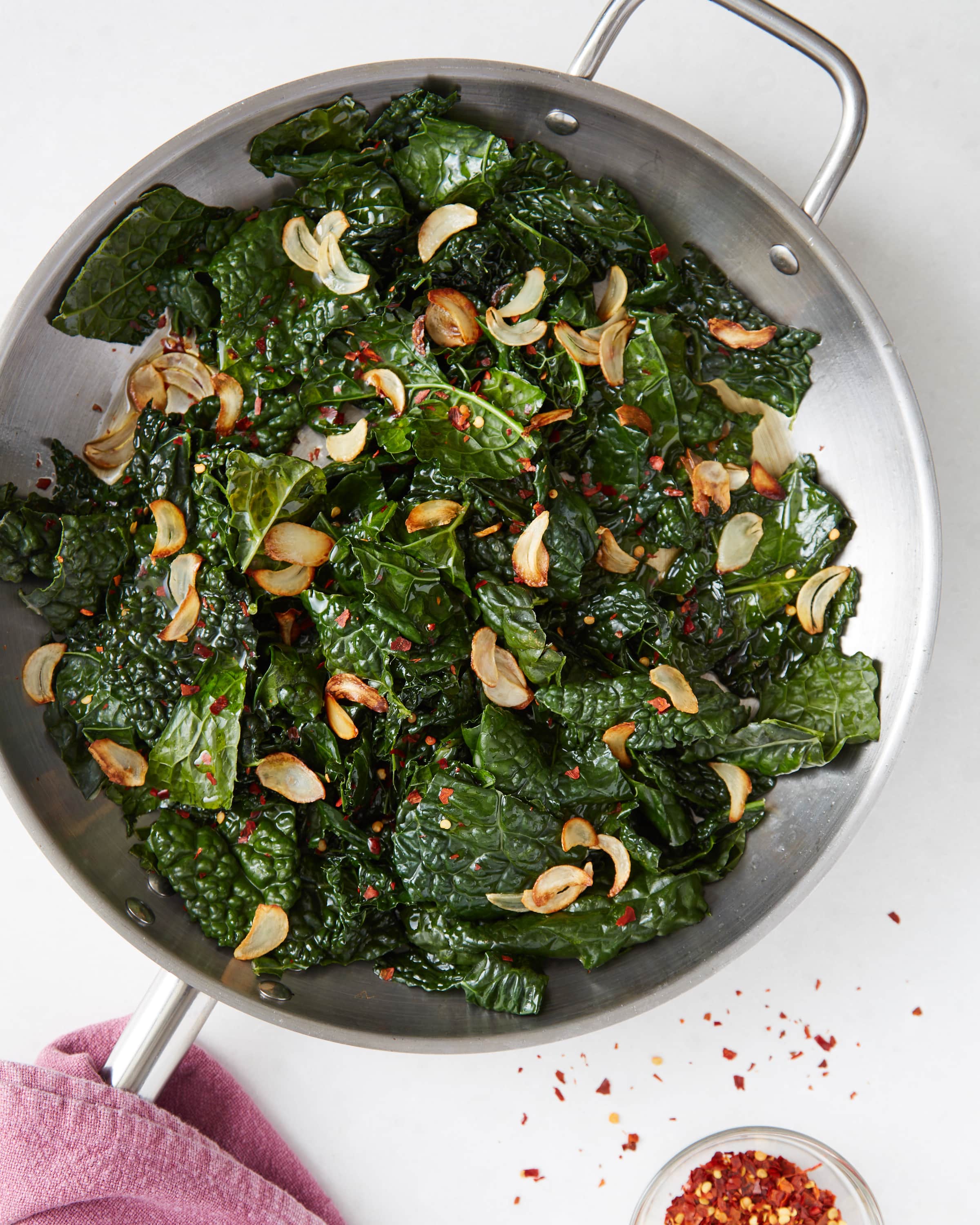
recipe for kale

The Best recipe for kale
The health benefits are real too. Kale is packed with vitamins and minerals, and this recipe keeps it simple enough that even picky eaters can enjoy it without realizing how good it is for them. It’s great for a quick weeknight dinner or a light lunch, but it also works for bigger gatherings—whether you’re serving it as a side or as the main course. Plus, it’s so easy to customize: swap out the cheese for a vegan alternative, add some nuts for crunch, or just keep it plain if you prefer. It’s that kind of dish that feels like a no-fuss win.
Crispy Kale and Tomato Flatbread
A simple, nutrient-packed flatbread that uses kale to add depth and a crispy texture. Perfect for dipping, wrapping, or serving alongside soups and salads.
🥘Ingredients
- 2 cups all-purpose flour
- 1 tsp salt
- 1 tbsp olive oil
- 1 cup finely chopped kale (stems removed)
- 1/4 cup grated Parmesan cheese (optional)
- 1 cup tomato sauce
- 1 tbsp olive oil
- 1 tsp dried oregano
- 1/2 tsp red pepper flakes (optional)
👨🍳Directions
-
1
Preheat oven to 400°F. In a bowl, mix flour, salt, olive oil, chopped kale, and Parmesan (if using). -
2
Roll the dough into a thin rectangle about 12×12 inches. Place on a baking sheet and bake for 10 minutes. -
3
Reduce heat to 375°F. Mix tomato sauce, olive oil, oregano, and red pepper flakes. Spread sauce evenly over the baked flatbread. -
4
Return to oven and bake for another 8–10 minutes until edges are crispy and edges pull away from the pan.
🔧Equipment
- Mixing bowl
- Rolling pin
- Baking sheet
- Knife
- Cutting board
📊Nutrition Facts (per serving)
📝Notes
Watch Video Of How Crispy Kale and Tomato Flatbread Works
❓ Frequently Asked Questions About Crispy Kale and Tomato Flatbread
Can I substitute spinach for kale in this recipe?
Yes, you can use spinach as a substitute. Spinach holds moisture well and has a similar mild flavor, though it may change the texture slightly—kale’s slightly bitter edge is lost, so the dish will be softer and less crunchy. If you prefer, try adding a pinch of salt or lemon juice to balance the taste.
—
How do I know if my kale is fresh enough to use?
Look for kale with thick, vibrant stems and bright green leaves. Avoid any with yellowing, wilted edges, or a strong odor. If the stems are slimy or the leaves feel tough when squeezed, it’s past its prime. Freezing works well for storing kale—just thaw and rinse before using.
—
What if I don’t have a baking sheet? Can I use another pan?
Yes, you can use a regular oven-safe skillet or even a baking dish. Just ensure it’s large enough to hold the kale without overcrowding. If using a skillet, cook on the lower-middle heat to avoid burning the edges while the center cooks through.
—
Why does the recipe call for olive oil instead of butter?
Olive oil adds a subtle, slightly fruity flavor that complements kale’s natural bitterness. Butter can make the dish too rich, while olive oil also helps keep the kale tender by preventing it from drying out. If you prefer, you can use a mix of both—just start with the olive oil for a lighter taste.


