
pizza dough for bread maker recipe

The Best pizza dough for bread maker recipe
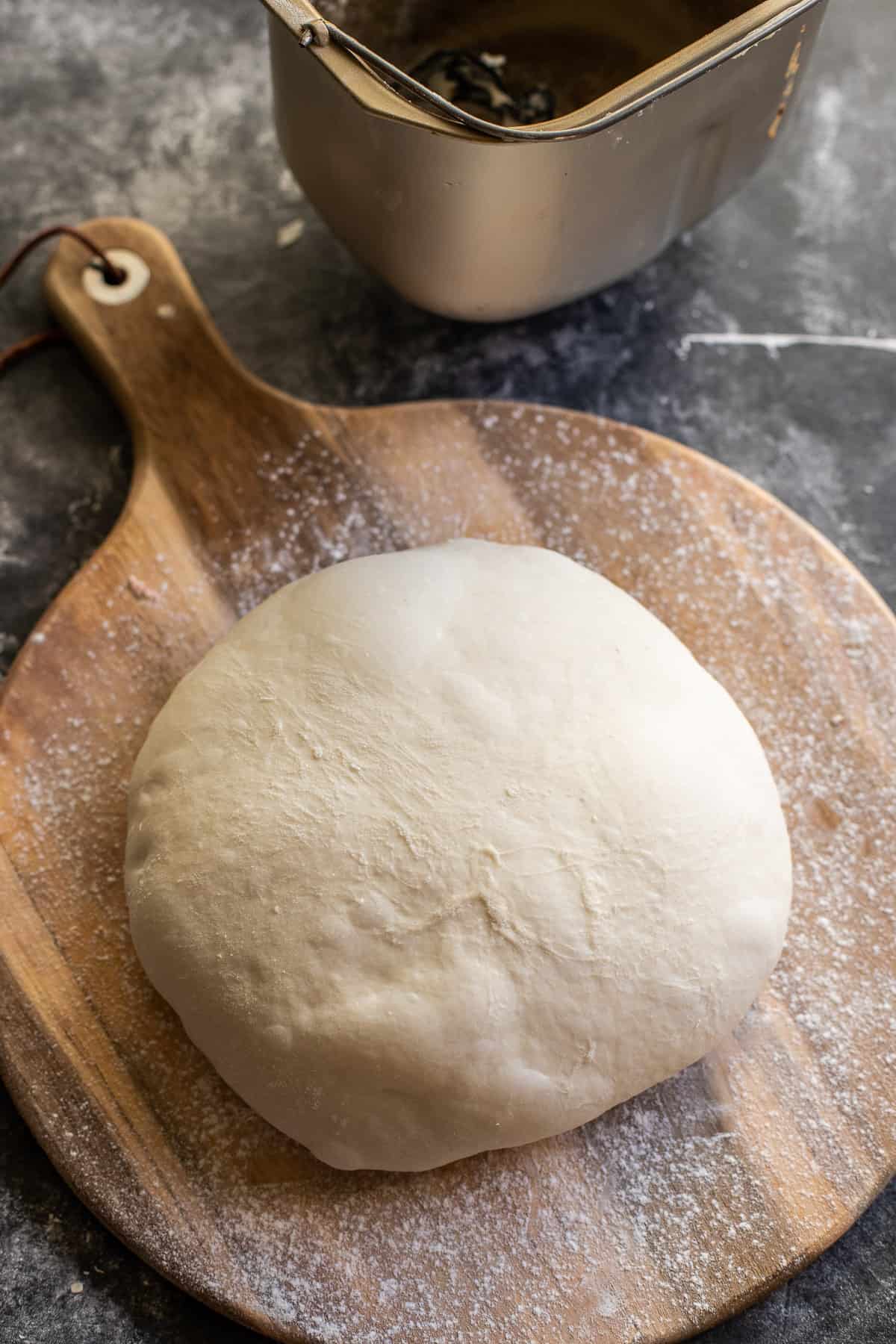
Easy Pizza Dough for Bread Maker
A simple, foolproof pizza dough recipe made in your bread maker for crispy crusts and customizable toppings. This recipe is a must-try for any occasion.
🥘Ingredients
- 2 cups all-purpose flour
- 1 tsp salt
- 1 packet active dry yeast
- 1 cup warm water
👨🍳Directions
-
1
Activate the yeast by mixing warm water and yeast in a bowl. Let sit for 5 minutes until foamy. -
2
Add flour and salt to the bread maker’s pan. Pour the yeast mixture into the flour. -
3
Set the bread maker to dough cycle (typically 10–12 minutes). Once done, knead briefly by hand if needed for a smoother texture. -
4
Shape dough into a round or oval, place on a baking sheet, and let rest 10 minutes before adding toppings.
🔧Equipment
- Bread maker
- Mixing bowl
- Measuring cups
- Wooden spoon
📊Nutrition Facts (per serving)
📝Notes
Watch Video Of How Easy Pizza Dough for Bread Maker Works
❓ Frequently Asked Questions About Pizza Dough for Bread Maker
1. Why does the dough need to be rested before baking?
The resting period allows the gluten to relax and the yeast to activate fully. This step ensures even cooking and prevents a dense, tough crust. If you skip it, the dough may not rise properly, leading to a flat or uneven pizza.
2. Can I use a different type of flour for the dough?
For best results, use all-purpose flour as specified. All-purpose flour balances structure and flavor well for homemade pizza dough. If you swap it for bread flour, the crust may be too chewy; if you use whole wheat, the texture could become denser.
3. How long should I let the dough cool before baking?
Cool the dough to room temperature (about 15–20 minutes) before baking. If it’s too warm, the bread maker’s oven may overcook the crust or cause uneven baking. Cold dough also prevents a soggy bottom.
4. What if my dough doesn’t rise enough in the bread maker?
If the dough rises poorly, check the yeast’s freshness (it should be active when dissolved in warm water) and ensure the bread maker’s settings match the recipe’s temperature and time. Overproofing can also make the dough collapse—remove it just before baking if it’s too puffy.
