
phyllo dough recipe

The Best phyllo dough recipe
I love this recipe because it’s simple but feels so impressive. You don’t need fancy tools, just a little patience to layer it right. And the health benefits? Well, phyllo is made from flour, water, and salt, so it’s not too heavy, but it’s still delicious. You can make it lighter by using less butter or even a little olive oil, and it’s a great way to sneak in veggies—like spinach or mushrooms—without anyone even noticing. My family always says it’s the perfect balance of indulgent and wholesome, and honestly? That’s what I like about it. It’s a recipe that feels like a little love in every bite, whether you’re making it for a family gathering or just because you’re in the mood for something warm and comforting. Plus, it’s a great way to use up whatever veggies or herbs you have on hand—just fold them in before baking. No waste, no fuss. Just good food.
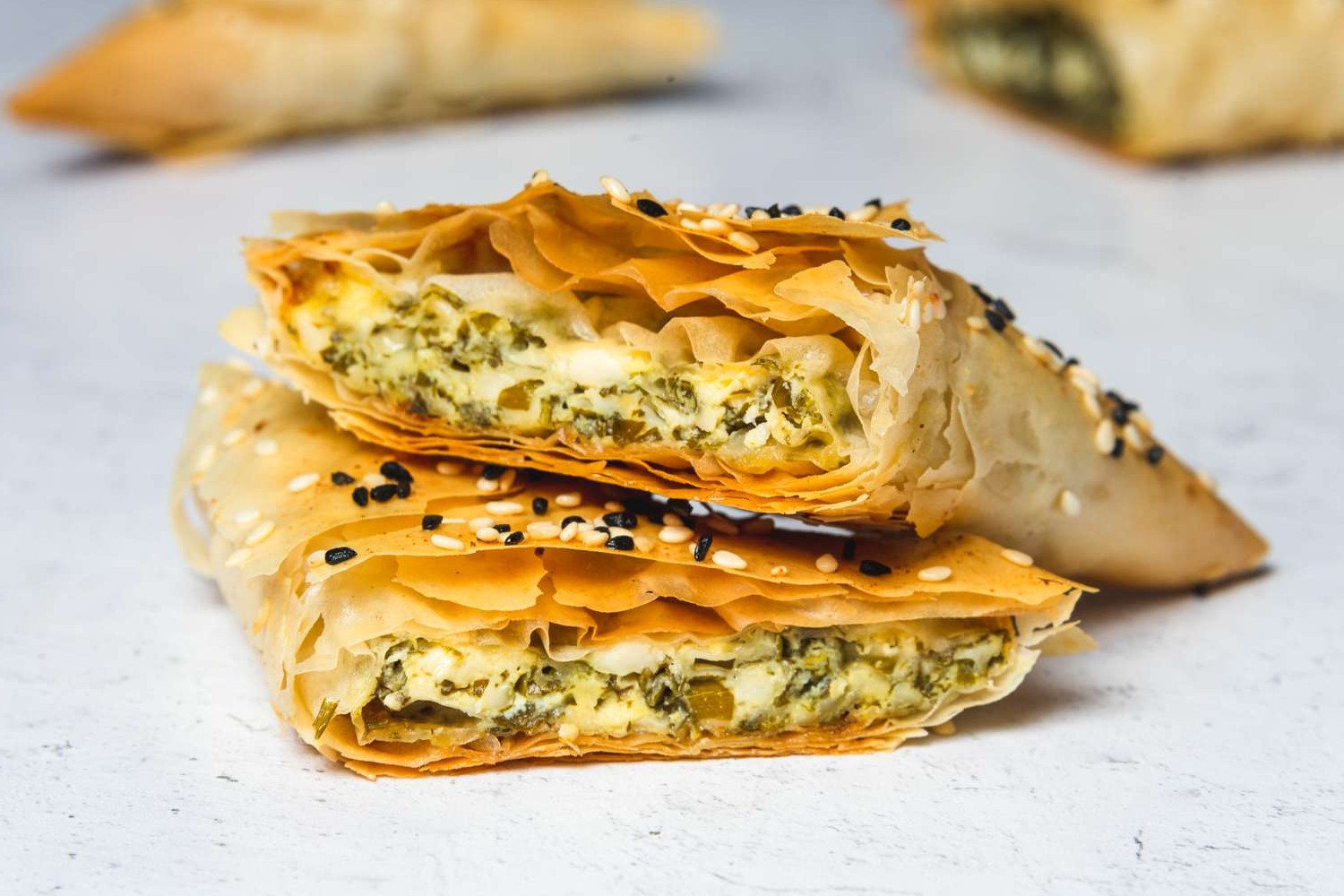
Homemade Phyllo Dough Recipe
Learn how to make fresh phyllo dough from scratch, perfect for baking, pastries, and savory dishes like baklava or spanakopita. This recipe is a must-try for any occasion.
🥘Ingredients
- 2 cups (250g) all-purpose flour
- 1 tsp salt
- 1 tbsp vegetable oil
- 1 large egg
- 1 tbsp cold water
👨🍳Directions
-
1
In a large bowl, combine flour and salt. Add the egg, oil, and cold water. Mix with a fork until a dough forms. -
2
Turn the dough onto a lightly floured surface and knead for about 5 minutes until smooth and elastic. If too sticky, add a little more flour. -
3
Cover the dough with plastic wrap and let it rest for 30 minutes at room temperature. -
4
Roll the dough into a rectangle about 1/8-inch thick. Cut into strips and roll each strip into a log. Wrap each log tightly in plastic wrap and refrigerate for at least 1 hour. -
5
Unwrap one log and roll it out into a sheet about 1/16-inch thick on a lightly floured surface. Use a sharp knife to cut into smaller sheets if needed. Store in the fridge for up to 3 days or freeze for longer storage.
🔧Equipment
- Mixing bowl
- Stand mixer or hand mixer
- Rolling pin
- Plastic wrap
- Cutting board
- Knife
📊Nutrition Facts (per serving)
📝Notes
Tips
- Ensure your rolling pin is well-floured to prevent sticking.
- For best results, keep phyllo sheets refrigerated while using.
- If the dough is too dry, add a tiny bit more water; if too sticky, add a little more flour.
- Store unused sheets in an airtight container to prevent drying out.
Substitutions
- For a gluten-free version, use gluten-free all-purpose flour.
Watch Video Of How Homemade Phyllo Dough Recipe Works
❓ Frequently Asked Questions About Phyllo Dough
What is phyllo dough made primarily of?
Phyllo dough, also known as filo dough, is primarily made from thin sheets of dough that are typically composed of all-purpose flour, water, and a small amount of oil or lard. The dough is layered and baked to achieve its signature crispy texture. The key is using very thin sheets, which are usually produced by pressing the dough through a special rolling mill.
—
How do I store phyllo dough properly to maintain freshness?
To store phyllo dough, keep the packaged sheets in a cool, dry place, preferably in an airtight container. If you don’t plan to use them immediately, you can wrap individual sheets tightly in plastic wrap and place them in the refrigerator for up to 2 weeks. For longer storage, freeze the sheets in a single layer on a baking sheet first, then transfer them to a freezer bag or container. Frozen phyllo can be used within 3 months. Always thaw in the refrigerator before using.
—
Can I make phyllo dough from scratch at home, or should I buy pre-made sheets?
While it’s possible to make phyllo dough at home, it’s quite challenging due to the delicate, ultra-thin sheets required. Most home cooks prefer buying pre-made phyllo dough from stores or specialty baking sections because it’s easier to handle and ensures consistent quality. However, if you’re determined to make it, you’ll need a special rolling machine (like a phyllo dough press) and patience to achieve the right texture.
—
Why does phyllo dough sometimes crack or tear when rolling?
Phyllo dough cracks or tears when rolled due to several factors: too much pressure (overworking the dough can make it brittle), improper hydration (too much or too little water disrupts the structure), or old or stale dough (which loses elasticity). To prevent this, roll gently, keep the dough at room temperature before rolling, and avoid over-stretching. If the dough is too dry, lightly mist it with water while rolling.
—
How do I prevent phyllo dough from sticking while layering recipes like baklava or spanakopita?
To avoid sticking, use a light hand when layering phyllo sheets. Brush each sheet with a thin layer of melted butter or oil before adding another layer. For extra protection, place a sheet of parchment paper between layers if needed. Additionally, ensure your work surface is clean and lightly floured to reduce friction. Avoid pressing too hard while stacking—just gently press to hold the layers together.


