
grandma approved dinner recipe

The Best grandma approved dinner recipe
The health benefits are what really make this recipe stand out. It’s packed with lean protein, fiber-rich veggies, and whole grains without feeling like a sacrifice. My kids won’t even notice they’re eating well—they just love the taste. And because it’s versatile, you can adjust the spices or add-ins to suit what you have on hand, whether it’s fresh herbs from the garden or seasonal produce. It’s the kind of dish that’s easy to double if you have company, or you can serve it as a hearty lunch on a lazy weekend. It’s the kind of recipe that feels like a secret, but once you try it, you’ll never want to go back.
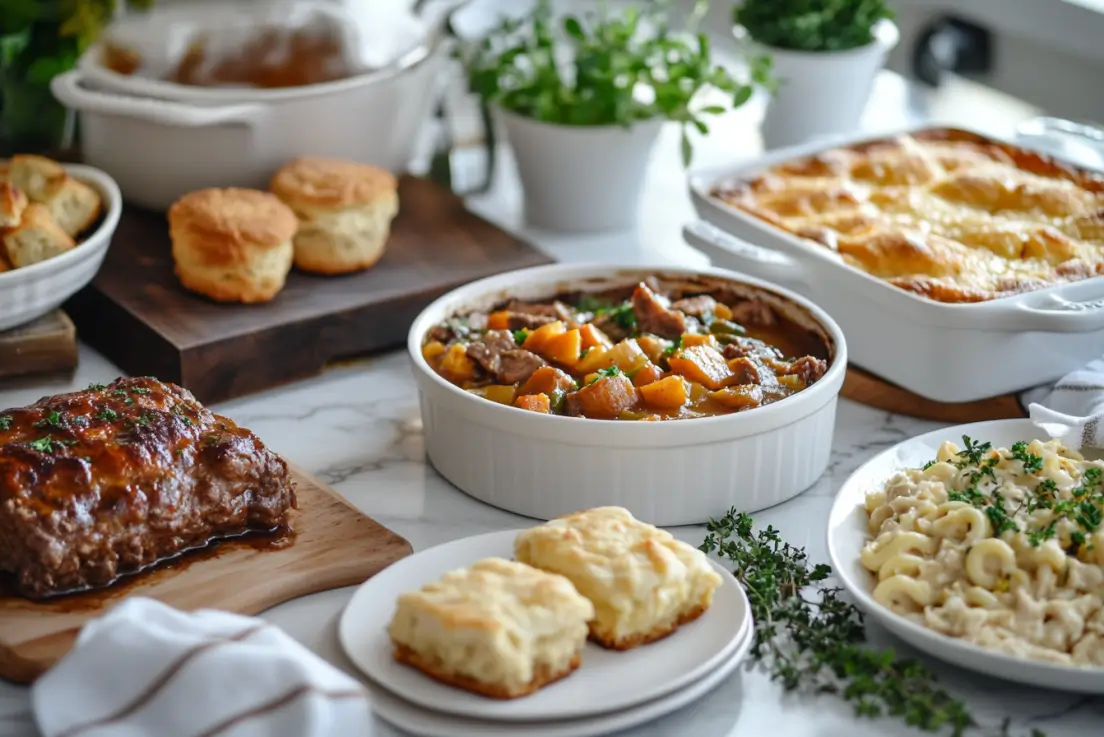
Classic Homemade Chicken Pot Pie
A comforting, family-style dish featuring tender chicken in a creamy tomato-based sauce, all wrapped in a flaky, buttery pie crust. Perfect for a cozy dinner night.
🥘Ingredients
- 2 lbs boneless, skinless chicken breasts
- 1 cup whole milk
- 1 cup chicken broth
- 1 cup diced carrots
- 1 cup diced celery
- 1 cup diced onions
- 2 cloves garlic, minced
- 1 tbsp butter
- 1 tbsp all-purpose flour
- 1 tsp dried thyme
- 1 tsp dried rosemary
- ½ tsp salt
- ½ tsp black pepper
- ½ cup shredded cheddar cheese
- 2 ½ cups all-purpose flour
- 1 tsp salt
- 1 tbsp sugar
- 1 cup cold butter, cubed
- 1 egg
- 1 tbsp ice water
- 1 cup tomato sauce
- 1 tbsp cornstarch
- 1 tbsp unsalted butter
- 1 tbsp heavy cream
👨🍳Directions
-
1
Preheat oven to 375°F (190°C). -
2
In a large pot, cook chicken breasts in 1 cup of water for 10 minutes. Remove chicken, set aside to cool slightly. Shred chicken with two forks. -
3
In the same pot, melt butter over medium heat. Add onions, carrots, celery, and garlic. Cook for 5 minutes until softened. Stir in flour and cook for 1 minute. -
4
Gradually whisk in milk and chicken broth. Simmer for 5 minutes until slightly thickened. Stir in shredded chicken, thyme, rosemary, salt, and pepper. Remove from heat. -
5
In a small saucepan, mix tomato sauce, cornstarch, butter, and heavy cream. Simmer for 2 minutes until thickened. Pour sauce over the chicken mixture in the pot. -
6
For the crust: Combine flour, salt, and sugar in a bowl. Cut in cold butter until mixture resembles coarse crumbs. Add egg and ice water, mixing just until dough comes together. Chill for 30 minutes. -
7
Roll out half the dough on a floured surface to fit the bottom of a 9-inch pie dish. Transfer filling to the crust, leaving a 1-inch border. Roll out the remaining dough and place over the filling, crimping edges. -
8
Cut 4-5 slits in the top crust to allow steam to escape. Brush the top crust with melted butter. Bake for 30-35 minutes until golden brown.
🔧Equipment
- Mixing bowls
- Kitchen knife and cutting board
- Pot
- Measuring cups and spoons
- Oven
- Pie dish (9-inch)
- Whisk
- Pastry brush
📊Nutrition Facts (per serving)
📝Notes
Tips
- For extra flavor, add a pinch of nutmeg to the filling.
- Use low-sodium broth to reduce sodium content.
- Substitute half the butter with olive oil for a lighter crust.
GrandmaApproved: Grandma’s secret: Always double-check the crust edges are sealed well to prevent leaks!
Watch Video Of How Classic Homemade Chicken Pot Pie Works
❓ Frequently Asked Questions About Chicken Pot Pie
1. What makes this grandma-approved dinner recipe so special compared to other homemade meals?
This recipe stands out because it’s been perfected over generations—balancing tender, flavorful ingredients with simple, foolproof techniques. Grandmas know that the best dishes often rely on fresh, high-quality ingredients, slow cooking to preserve natural flavors, and a touch of love in every step. Unlike quick, processed meals, this recipe prioritizes wholesome, comforting flavors that nourish both body and soul. Plus, it’s designed to be easy enough for beginners but still impressive enough for gatherings, making it a timeless favorite.
—
2. Can you explain the role of each ingredient in this recipe, especially the secret spices or herbs?
Absolutely! Here’s the breakdown of key ingredients and their contributions:
– Butter & olive oil: The base fat for tenderness and richness. Butter adds depth, while olive oil brings a subtle brightness.
– Garlic & onions: The flavor foundation—garlic infuses warmth, onions add sweetness and caramelization.
– Herbs (thyme, bay leaf, rosemary): Thyme and rosemary lend earthy, aromatic notes; bay leaves enhance depth without overpowering.
– Secret spice blend (cinnamon, nutmeg, paprika): These warm spices (especially cinnamon) create a cozy, nostalgic taste—like a hug in every bite. Nutmeg adds subtle sweetness, while paprika gives a subtle smokiness.
– Tomatoes & bell peppers: Fresh tomatoes add acidity and juiciness, while bell peppers bring natural sweetness and texture contrast.
– Whole grains (quinoa or rice): These soak up the savory sauce, making each bite hearty and satisfying.
– Cheese (optional): A sprinkle of Parmesan or feta adds a salty, melty finish that ties everything together.
The secret lies in balancing these elements—too much spice can overwhelm, but the right mix makes it feel like a hug from grandma!
—
3. How do you ensure the dish stays moist and flavorful without drying out?
Moisture and flavor are key to this recipe’s success. Here’s how to keep it tender and delicious:
– Cook slowly: Simmering or sautéing at low heat lets flavors meld gradually without burning or drying out ingredients.
– Use liquid wisely: Start with a small amount of broth or water, then add more as needed. The dish absorbs liquid naturally, so don’t overfill the pan.
– Cover partially: While cooking, cover the dish with a lid (or foil) to trap steam, especially for grains like quinoa or rice. This prevents evaporation and keeps everything soft.
– Add moisture at the end: Stir in a splash of water, broth, or even a little milk (for creamy dishes) right before serving to revive any dried-out bits.
– Let it rest: After cooking, let the dish sit covered for 5–10 minutes before serving. This lets the flavors settle and moisture redistribute.
Pro tip: If using herbs like parsley or cilantro, add them at the end to avoid wilting.
—
4. Are there any dietary adjustments or substitutions I can make for allergies or preferences?
This recipe is surprisingly adaptable! Here are swaps for common dietary needs:
– Vegetarian/Vegan: Skip the meat (if any) and add extra veggies like zucchini or mushrooms. For creaminess, use coconut milk or cashew cream instead of butter. Spices like smoked paprika or liquid smoke can mimic a meaty depth.
– Gluten-free: Use gluten-free grains like quinoa, brown rice, or cauliflower rice. Ensure broths and sauces are certified gluten-free.
– Dairy-free: Replace butter with olive oil or dairy-free margarine. Skip cheese or use a dairy-free alternative like nutritional yeast.
– Low-carb: Swap grains for zucchini noodles, spaghetti squash, or extra veggies like bell peppers and onions. Reduce the tomato sauce slightly to avoid heaviness.
– Kid-friendly: Cut spices in half (especially cinnamon/nutmeg) and add mild cheese or a drizzle of honey for sweetness. Serve with crusty bread or a side salad.
– Protein swaps: Use chickpeas, lentils, or tofu for a plant-based protein boost. For meat lovers, try turkey or chicken instead of beef.
Always taste as you go—adjust salt, acidity (like lemon juice), and spices to suit your taste!
—
5. What’s the best way to reheat this dish without losing its texture or flavor?
Reheating grandma’s dishes properly is key to keeping them delicious. Here’s how to do it right:
– Low and slow: Use a gentle heat setting on the stove (or low broil in the oven) to avoid drying out the grains or overcooking veggies. Stir occasionally to distribute heat evenly.
– Steam method: Cover the dish with a lid or damp towel and steam over low heat for 5–10 minutes. This mimics the slow-cooking process and prevents moisture loss.
– Oven reheating: Preheat to 325°F (165°C), place the dish in a baking dish with a splash of water or broth, cover with foil, and bake for 15–20 minutes. This adds moisture back in.
– Microwave hack: If you’re in a hurry, microwave on high for 1–2 minutes, stirring halfway. For grains, add a tablespoon of water to prevent dryness.
– Serve with fresh toppings: After reheating, add a squeeze of lemon, fresh herbs, or a sprinkle of cheese to refresh flavors.
Avoid boiling the dish—it can make grains mushy and veggies soggy. Always taste and adjust seasoning after reheating!


