
cajun shrimp fettuccine alfredo recipe


The Best cajun shrimp fettuccine alfredo recipe
Cajun shrimp fettuccine alfredo is the recipe I make when I want dinner to feel like a treat without spending my whole evening in the kitchen. The cajun seasoning gives the shrimp a little heat and smokiness, and the creamy alfredo sauce cools it back down, so every bite has both.
It takes about 30 minutes from start to finish, which is the main reason it shows up on our table so often. My kids ask for this one by name.
I go lighter on the cajun seasoning for their plates and add extra for mine and my husband’s, so nobody complains about the spice level. It works for a busy Tuesday just as well as it does for company.
I have served it for birthday dinners and last minute friends dropping by, and it looks like I put in more effort than I actually did. Shrimp cooks in minutes, so the whole dish comes together fast once the pasta water is boiling.
Shrimp is a lean protein, so this pasta has more substance than a plain alfredo and keeps everyone full longer. The shrimp also brings selenium and vitamin B12 to the plate, and the dish gives you a good amount of protein per serving.
Serve it with a simple green salad or steamed broccoli to round out the meal. If you have leftovers, they hold up in the fridge for a couple of days, though I reheat them gently so the sauce stays smooth.
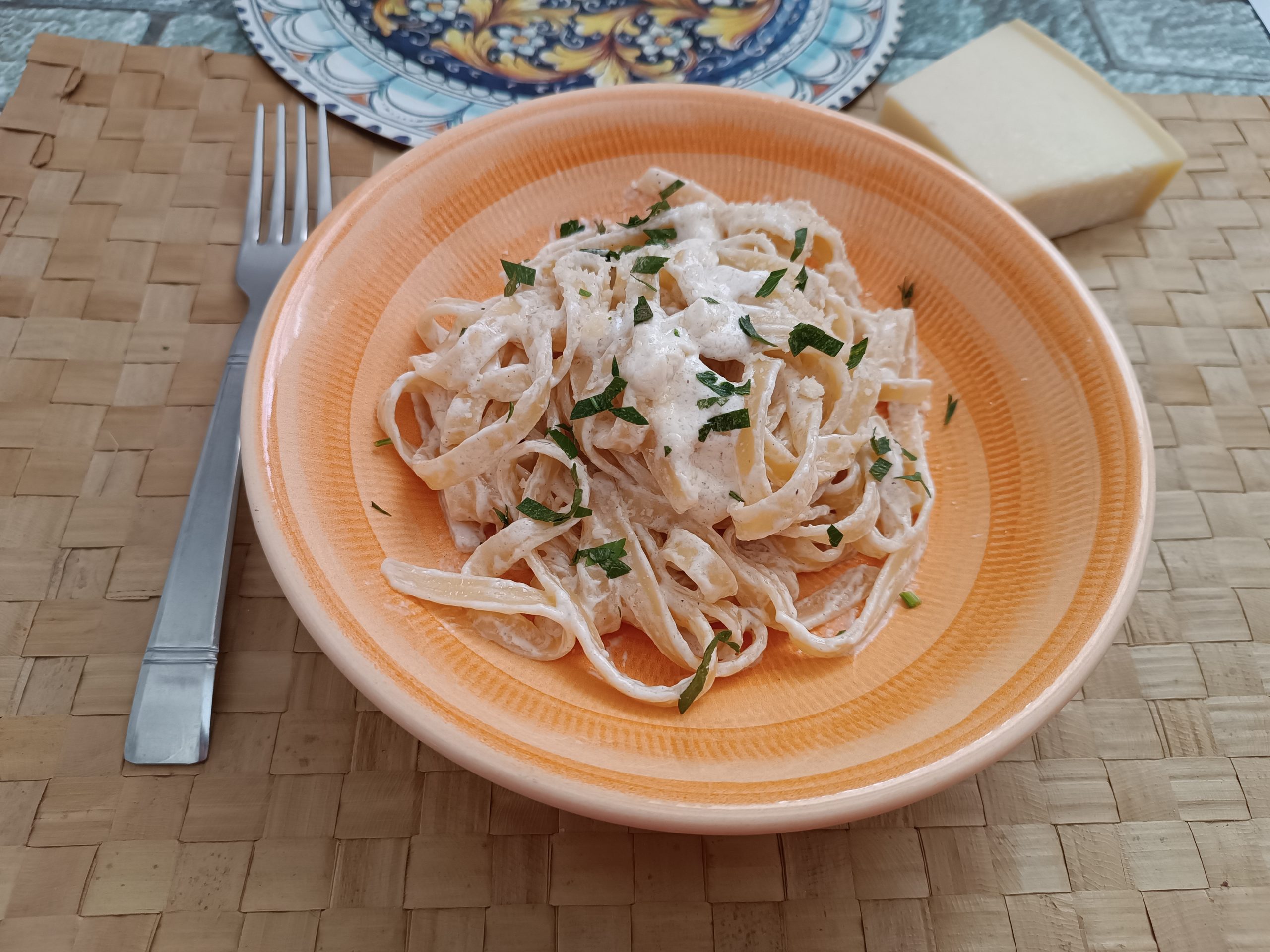
Cajun Shrimp Fettuccine Alfredo
Plump shrimp tossed in smoky Cajun seasoning, seared until just pink, then folded into a creamy Parmesan alfredo and fettuccine. It is a one-skillet sauce and a single pot of pasta, ready in under an hour for a weeknight dinner with a little heat.
🥘Ingredients
For the Cajun Shrimp
For the Alfredo Sauce
For the Pasta and Assembly
👨🍳Directions
🔧Equipment
📊Nutrition Facts (per serving)
📝Notes
Watch Video Of How Cajun Shrimp Fettuccine Alfredo Works
Cajun shrimp fettuccine alfredo is the recipe I pull out when I want something that feels special but does not keep me in the kitchen all night.
The heat from the Cajun seasoning balances the creamy sauce, and it makes a big enough batch to feed a crowd at family gatherings.
I have never served it without someone asking for the recipe.
❓ Frequently Asked Questions About Cajun Shrimp Fettuccine Alfredo
1. How spicy is Cajun shrimp fettuccine alfredo?
The heat level depends almost entirely on the Cajun seasoning you use and how much of it goes in. Most store-bought blends land somewhere between mildly warm and noticeably spicy, so start with a smaller amount, taste the sauce, and add more if you want extra kick. A splash of cream or an extra knob of butter will mellow things out if it gets too hot, while a pinch of cayenne or extra seasoning at the end pushes it the other direction.
2. Can I make this recipe with chicken instead of shrimp?
Yes. Sliced chicken breast or thighs work well in the same skillet method. Sear the chicken first over medium-high heat until cooked through, then set it aside and proceed with the sauce, stirring the chicken back in at the end so it stays tender. If you use chicken, season it with the same Cajun blend so the flavor stays consistent.
3. Why did my alfredo sauce turn out grainy or separated?
Grainy sauce usually means the heat was too high or the cheese went in too fast. Add the grated Parmesan off the heat or over low heat, a handful at a time, stirring until each addition melts before adding the next. Letting the cream and butter come together first, then lowering the heat before the cheese goes in, keeps the sauce smooth and glossy.
4. Can I use frozen shrimp for this dish?
Absolutely, and it is often the most practical choice. Thaw the shrimp completely in the refrigerator overnight or under cool running water, then pat them very dry before searing. Excess moisture is the enemy of a good sear, so a dry surface is what gets you those browned edges instead of steamed, rubbery shrimp. Cook them just until they curl and turn opaque pink, which takes only a few minutes.
5. How do I store and reheat the leftovers?
Keep leftovers in an airtight container in the refrigerator for up to three days. Reheat gently on the stovetop over low heat with a splash of milk or cream stirred in to loosen the sauce, since it thickens considerably once chilled. Avoid blasting it in the microwave, as the shrimp can toughen quickly and the sauce may break apart.

