
almond butter recipe

The Best almond butter recipe
I love this recipe because it’s versatile enough to use every day or as a special treat. It’s great for breakfast, a quick lunch, or even a dessert if you add some honey or cinnamon. My little ones have been eating it straight from the spoon since they were little, and honestly, it’s one of the few things they’ll actually finish without complaint. Plus, almond butter is packed with healthy fats, protein, and fiber, which helps keep everyone full and energized. It’s a no-fuss way to give your family a nutritious boost without any fuss. Plus, making it at home means you can control the ingredients—no added sugars or unhealthy oils. It’s a win for both taste and health.
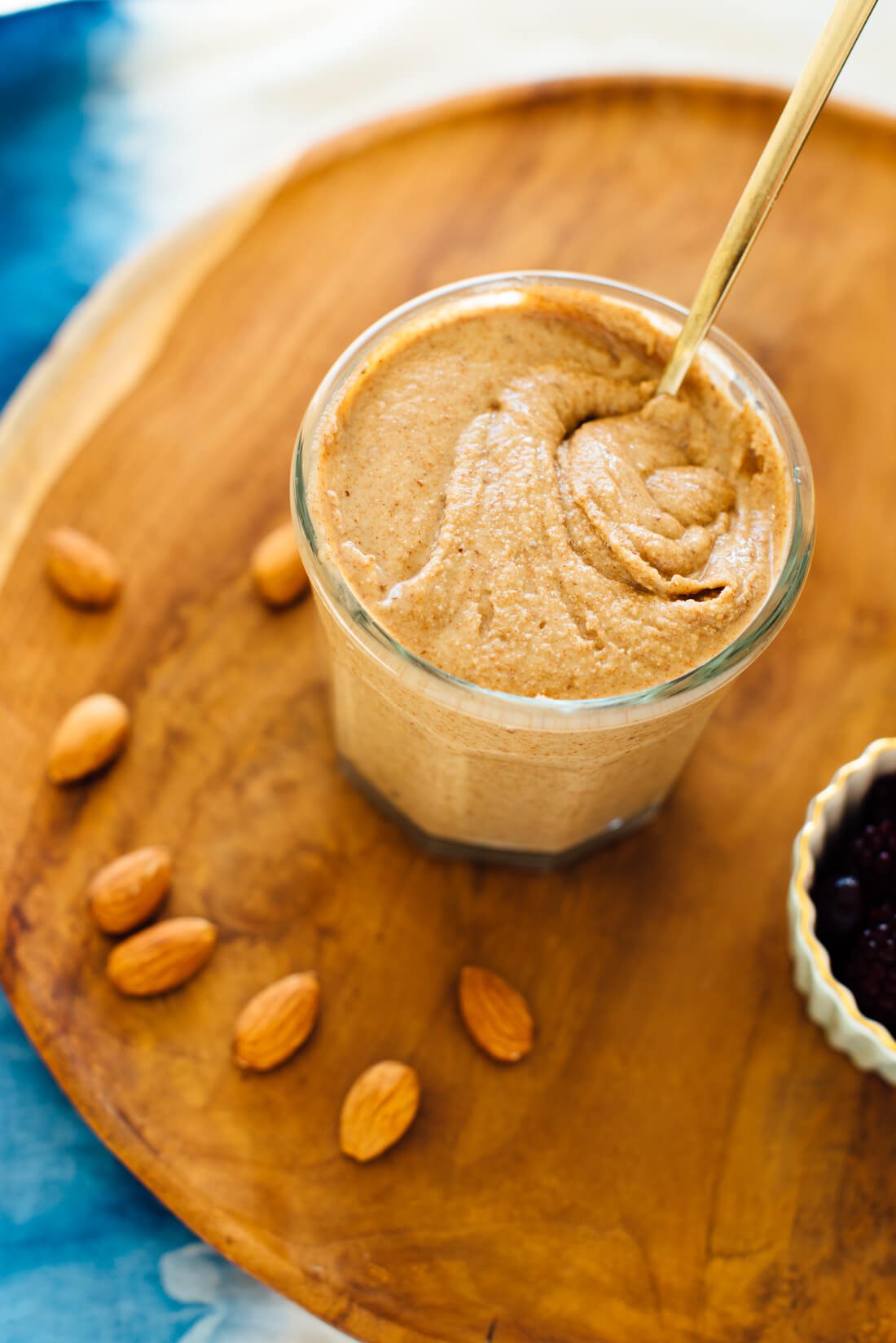
Homemade Almond Butter
A creamy, nutritious almond butter made from scratch using raw almonds, ensuring a rich flavor and no added preservatives. This recipe is a must-try for any occasion.
🥘Ingredients
- 3 cups raw almonds (unsalted)
- 1 tsp vanilla extract (optional)
- 1 tbsp maple syrup or honey (optional)
- Pinch of sea salt
👨🍳Directions
-
1
Preheat your oven to 350°F (175°C) and spread almonds on a baking sheet in a single layer. Roast for 12-15 minutes until golden brown. -
2
Allow almonds to cool completely. Transfer them to a food processor and pulse in short bursts to break them into smaller pieces. -
3
Add vanilla extract, maple syrup (if using), and a pinch of salt. Pulse again to combine. -
4
Process the almonds in short bursts, scraping down the sides of the food processor as needed. Increase the processing time gradually until the mixture becomes smooth and creamy, about 5-10 minutes total. -
5
Transfer the almond butter to a clean mixing bowl or directly onto a piece of parchment paper. Cover with a kitchen towel or lid and let it cool to room temperature.
🔧Equipment
- Food processor or high-speed blender
- Large mixing bowl (optional, for cooling)
- Clean kitchen towel or parchment paper
📊Nutrition Facts (per serving)
📝Notes
Tips
- For extra creaminess, add 1-2 tbsp of coconut oil or avocado oil during processing.
- Store in an airtight container in the refrigerator for up to 2 weeks or freeze for longer storage.
- Ensure your food processor is clean and dry to avoid any unwanted flavors.
Variations
- Add 1 tsp cinnamon or cardamom for a spiced twist.
- Mix in 1 tbsp cocoa powder for a chocolate almond butter.
Watch Video Of How Homemade Almond Butter Works
❓ Frequently Asked Questions About Almond Butter
What is the best way to store homemade almond butter for long-term freshness?
Homemade almond butter can last for up to 3 months in an airtight container in the fridge, but for longer storage (up to a year), freeze it in portions. To freeze, transfer the butter into a freezer-safe container or silicone mold, leaving about an inch of space for expansion. Once frozen, it can be stored for months. To use later, thaw it in the fridge overnight or microwave in short bursts.
—
How can I achieve a smoother texture in my almond butter if it’s chunky?
If your almond butter has visible chunks, blending it again with a high-speed blender or food processor will help. For a finer texture, try:
– Soaking the almonds overnight to reduce bitterness and make blending easier.
– Using a nut butter machine (like NutriBullet or NutriGrain) for a smoother result.
– Adding a splash of water or coconut oil (1-2 tbsp) to help blend better before removing excess liquid.
—
Can I make almond butter without a food processor or blender?
Yes! While a blender or food processor makes blending faster, you can still make almond butter by hand using a mortar and pestle or a high-quality wooden spoon in a bowl. For best results:
– Toast the almonds first to enhance flavor.
– Blend in small batches to avoid overheating.
– Use a heavy-bottomed pot (like a cast iron) and rub the almonds together with a wooden spoon for a coarse texture (similar to nut paste).
– Add a little oil (like olive or coconut) if needed to help emulsify.
—
Why does my almond butter turn rancid quickly, even if I stored it properly?
Almond butter can go rancid faster than other nut butters due to its high oil content and thin consistency. To prevent rancidity:
– Store in a cool, dark place (fridge or freezer are better).
– Use airtight containers (glass or BPA-free plastic) to block oxygen.
– Add a preservative like ascorbic acid (vitamin C) or rosemary extract (natural antioxidants) to extend shelf life.
– Check for signs of spoilage (off smell, discoloration, or mold) before using.
– Consume within 2–3 months of homemade batches for best quality.
—
How can I adjust the flavor of my almond butter if I want to add spices or sweeteners?
You can customize almond butter with these simple additions:
– Sweet flavors: Add cinnamon, vanilla extract, or a pinch of salt for a classic sweet almond butter. For chocolate, mix in cocoa powder or melted dark chocolate.
– Spicy/savory: Stir in cayenne, smoked paprika, or a dash of cayenne + sea salt for a kick. Try garlic powder, onion powder, or nutritional yeast for umami.
– Herbal/floral: Add lavender, cardamom, or a few drops of almond extract for a unique twist.
– For baking: Mix in honey, maple syrup, or a pinch of baking soda to prevent separation when used in recipes.
– Always blend well after adding extras to distribute flavors evenly.
