
oyster dressing recipe

The Best oyster dressing recipe
What I love most about this dressing is how it balances flavors so well. The tang of the lemon and the sharp bite of the Dijon mustard cut through the natural sweetness of the oysters, while the honey adds a touch of warmth that makes everything feel cozy. Plus, it’s got a little bit of everything—healthy fats from the olive oil, fiber from the whole-grain mustard, and antioxidants from the lemon zest. My kids have been eating it since they were five, and honestly, it’s one of those recipes that’s so easy they’d probably make it themselves if I didn’t remind them not to waste the dressing. It’s a no-fuss way to make a meal feel intentional, whether you’re serving it with oysters, grilled chicken, or even just on a salad. And the best part? It’s got enough flavor to make you want to eat it every single day.
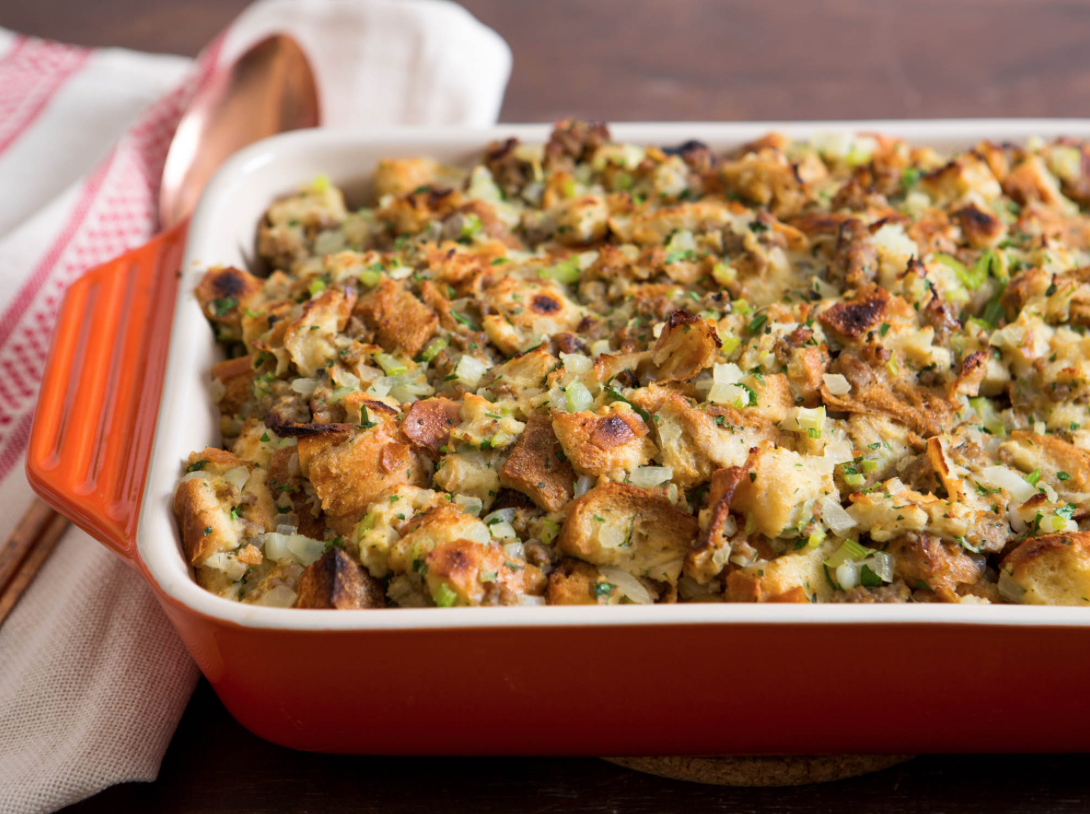
Classic Oyster Dressing Recipe
A savory, flaky breading perfect for coating oysters or grilling chicken. Light, crispy, and packed with flavor!
🥘Ingredients
- 2 cups all-purpose flour
- 1 tsp salt
- 1 tsp dried parsley
- 1 tsp dried oregano
- 1/2 cup cold unsalted butter, cubed
- 1 cup mayonnaise
- 1/2 cup finely chopped fresh parsley
- 1/4 cup finely chopped red onion
- 1 tbsp lemon juice
- 1 tsp Dijon mustard
- 1 clove garlic, minced
- Salt and pepper to taste
👨🍳Directions
-
1
Preheat oven to 375°F (190°C). In a food processor, combine flour, salt, parsley, and oregano. Pulse until finely mixed. -
2
Add cold butter and pulse until the mixture resembles coarse crumbs. -
3
Transfer dough to a lightly floured surface and gently press into a 1/2-inch thick rectangle. Cut into strips for oysters or squares for chicken. -
4
In a separate bowl, mix mayonnaise, parsley, red onion, lemon juice, Dijon mustard, garlic, salt, and pepper until smooth. -
5
Brush or dip oysters/chicken in the sauce, then coat generously with the breading. Place on a baking sheet and bake for 15-20 mins until golden.
🔧Equipment
- Mixing bowls
- Food processor or rolling pin
- Knife and cutting board
- Baking sheet
- Oven
- Measuring cups and spoons
📊Nutrition Facts (per serving)
📝Notes
- For extra crispiness, chill the dough for 30 minutes before shaping.
- Substitute half the butter with olive oil for a lighter version.
- Use leftover dressing to drizzle over grilled veggies or salads.
Watch Video Of How Classic Oyster Dressing Recipe Works
❓ Frequently Asked Questions About Oyster Dressing
What is the primary ingredient in a classic oyster dressing recipe?
The primary ingredient in a classic oyster dressing is Dijon mustard, which provides a tangy, slightly spicy base. It’s often paired with mayonnaise for creaminess, but traditional recipes may also include vinegar (like white wine or apple cider) to balance the flavors.
How do I adjust the consistency of the dressing if it’s too thick or too thin?
If the dressing is too thick, add 1-2 tablespoons of mayonnaise, a splash of vinegar, or a little water to thin it out gradually. If it’s too thin, mix in 1-2 tablespoons of Dijon mustard or a bit more mayonnaise to thicken it. Stir well after each addition.
Can I substitute mayonnaise in the oyster dressing recipe?
While traditional oyster dressing uses mayonnaise, you can substitute it with Greek yogurt (plain, unsweetened) for a lighter texture or sour cream for richness. However, the flavor profile may differ slightly—mayonnaise adds a neutral, creamy base that works best in this recipe.
Why does my oyster dressing taste bland or lack tang?
A bland or weak-tang dressing often means the vinegar or lemon juice isn’t acidic enough. To fix this, increase the vinegar (white wine, apple cider, or even red wine vinegar) by 1-2 tablespoons or add a splash of lemon juice (about 1-2 teaspoons). If using a mustard-heavy recipe, ensure you’re using Dijon mustard (not regular mustard) for proper tang.
What’s the best way to store leftover oyster dressing?
Store leftover oyster dressing in an airtight container in the fridge for up to 4-5 days. To prevent separation, stir well before using. If the texture thickens, you can thin it with a splash of vinegar or water. For longer storage, consider freezing it (though texture may change slightly upon thawing).


