
recipe with soba

The Best recipe with soba
What really sets this recipe apart is how it feels like a treat without being one. Buckwheat is packed with fiber and protein, so it’s great for keeping everyone full and energized, especially after a long day. I’ve used it for everything from quick stir-fries to cozy cold salads, and it never fails to impress. My husband always says it’s the kind of dish that feels like a little extra effort, but the payoff is worth it—especially when the whole family is eating it. Plus, it’s perfect for any occasion. Need something light for a summer day? A simple soba salad with fresh veggies and a light dressing. Want to impress guests? A well-seasoned soba bowl with a protein like grilled chicken or tofu and some crispy veggies. It’s that kind of recipe that adapts to whatever you’re in the mood for without sacrificing quality.
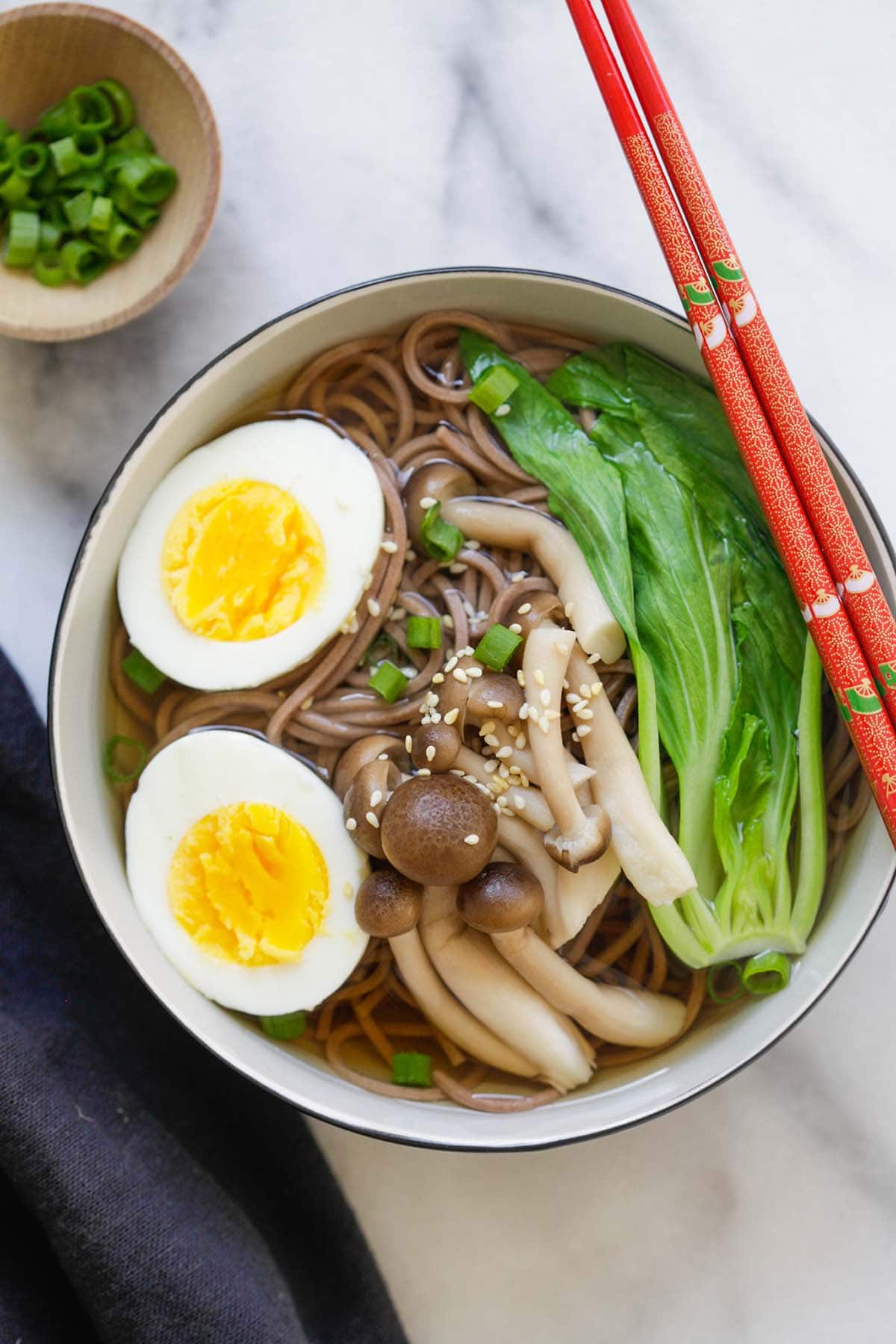
Creamy Garlic Soba Noodles with Sesame Dressing
A comforting dish featuring buckwheat soba noodles tossed in a rich garlic and sesame sauce, paired with crisp vegetables and a protein of your choice. This recipe is a must-try for any occasion.
🥘Ingredients
- 8 oz (225g) buckwheat soba noodles
- 1 tbsp vegetable oil
- 1 cup water or vegetable broth
- 3 cloves garlic, minced
- 2 tbsp soy sauce
- 1 tbsp sesame oil
- 1 tbsp rice vinegar
- 1 tsp grated ginger
- 1 tsp honey or sugar
- ½ tsp red pepper flakes (optional)
- 1 cup shredded carrots
- 1 cup sliced mushrooms
- 1 bell pepper, thinly sliced
- 1 cup chopped scallions
- 1 tbsp toasted sesame seeds
- 1 avocado, sliced (optional)
👨🍳Directions
-
1
Bring a pot of water or vegetable broth to a boil. Cook soba noodles according to package instructions (usually 8-10 minutes). Drain and rinse with cold water to stop cooking. Set aside. -
2
In a skillet, heat vegetable oil over medium heat. Add minced garlic and sauté for 1 minute until fragrant. Add mushrooms and bell pepper, cooking until tender (5-6 minutes). Remove from heat and set aside. -
3
In the same skillet, add soy sauce, sesame oil, rice vinegar, ginger, honey, and red pepper flakes. Stir to combine and let it simmer for 1 minute. -
4
In a large bowl, combine cooked soba noodles, garlic sauce, shredded carrots, sautéed vegetables, and scallions. Toss well to coat evenly. -
5
Garnish with toasted sesame seeds and avocado slices if using. Serve immediately. -
undefined
undefined -
undefined
undefined -
undefined
undefined -
undefined
undefined
🔧Equipment
- Large pot
- Medium skillet
- Wooden spoon
- Mixing bowls
- Knife and cutting board
- Parchment paper
📊Nutrition Facts (per serving)
📝Notes
- For extra richness, add a dollop of sour cream or avocado slices.
- Use firm tofu, chopped, for a vegetarian protein boost.
- Store leftovers in an airtight container for up to 3 days; reheat gently.
Watch Video Of How Creamy Garlic Soba Noodles with Sesame Dressing Works
❓ Frequently Asked Questions About Creamy Garlic Soba Noodles with Sesame Dressing
What is the difference between soba noodles and regular noodles, and why should I choose soba for this recipe?
Soba noodles are made from buckwheat flour (typically 80-100%) mixed with wheat flour, giving them a distinct nutty, earthy flavor and a chewier texture compared to regular wheat noodles. They’re also gluten-free if made without wheat flour, making them a great option for those with gluten sensitivities. In this recipe, soba adds a unique depth of flavor and a satisfying bite, balancing the dish with its natural richness.
—
How do I store soba noodles to keep them fresh longer?
Store whole soba noodles in an airtight container in the fridge for up to 2 weeks or freeze them for longer storage (up to 3 months). Once cooked, rinse them well under cold water to stop cooking, then store in an airtight container in the fridge for 3–4 days or freeze for up to a month. Thaw overnight in the fridge before reheating.
—
Can I substitute soba noodles with another type of noodle in this recipe?
While soba noodles are ideal for their texture and flavor, you can substitute them with 100% wheat soba (if available) or buckwheat-free soba (though the taste and chew may differ slightly). For a closer match, try shirataki noodles (konjac) for a gluten-free option, though they’ll absorb more liquid. Avoid thin wheat noodles—they’ll turn mushy. If using rice noodles, cut them into thicker strips to mimic soba’s bite.
—
What’s the best way to cook soba noodles to avoid mushiness?
Boil soba noodles in well-salted water (about 1 tbsp salt per liter) for 2–3 minutes less than the package instructions (they continue cooking slightly after draining). Drain immediately, then rinse under cold water to halt cooking. For extra crispiness, toss with a bit of oil before serving. Overcooking is the biggest risk—they’ll turn gummy. If using frozen soba, thaw first in cold water before cooking.
—
How can I customize this soba dish to make it vegetarian or vegan?
For a fully plant-based version, replace the chicken with mushrooms (shiitake or oyster) for umami, tofu (firm or extra-firm, pressed and cubed), or tempeh (marinated in soy sauce and sesame oil). Use vegan butter or oil in the stir-fry, and opt for vegan soy sauce (like Tamari) or coconut aminos. Add pickled vegetables (daikon, carrots) or toasted sesame seeds for extra flavor. For protein, try lentils or chickpeas sautéed with garlic and ginger.

