venison tenderloin recipe

The Best venison tenderloin recipe
I remember the first time I tried making venison tenderloin for a barbecue after a hunting trip with my husband. The whole family was impressed by how tender it was, even though it’s a cut that can sometimes dry out if not handled right. Since then, it’s become a go-to for game nights and special occasions because it’s versatile—you can serve it with a simple herb butter, a tangy glaze, or even just seasoned with salt and pepper. My kids especially enjoy it when I pair it with roasted root vegetables or a fresh salad, because it’s balanced and not too heavy. And honestly, the health benefits make it worth it. Venison is one of the leanest meats you can find, so it’s great for anyone watching their weight or just trying to eat cleaner. It’s also high in B vitamins and omega-3s, which helps with energy and brain function—something I appreciate because I’ve got a family that’s always on the go. Plus, it’s a great way to use up whatever game meat we’ve got, whether it’s from a hunt or just a special occasion.
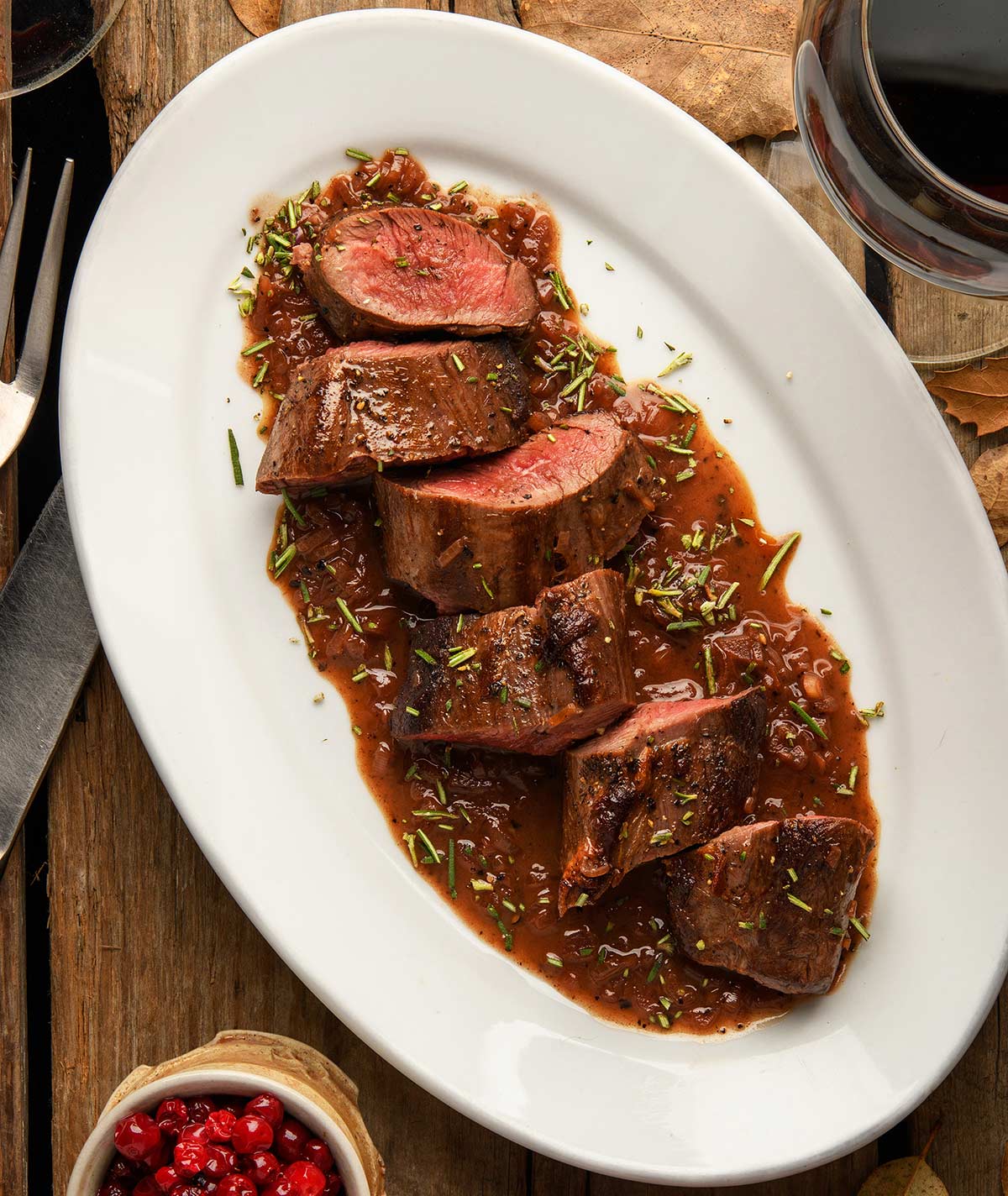
Creamy Garlic Herb Venison Tenderloin
A succulent venison tenderloin seasoned with garlic and herbs, served with a rich tomato-based sauce for a hearty and flavorful meal. This recipe is a must-try for any occasion.
🥘Ingredients
- 1.5 lbs venison tenderloin
- 2 tbsp olive oil
- 2 tbsp Dijon mustard
- 2 cloves garlic, minced
- 1 tsp dried thyme
- 1 tsp dried rosemary
- 1 tsp salt
- ½ tsp black pepper
- 1 cup beef or venison stock
- ½ cup heavy cream
- 2 tbsp tomato paste
- 2 cloves garlic, minced
- 1 tbsp butter
- 1 tbsp fresh parsley, chopped
- ½ tsp red pepper flakes (optional)
👨🍳Directions
-
1
Preheat oven to 375°F (190°C). Pat the venison tenderloin dry with paper towels and season generously with salt and pepper. -
2
In a small bowl, mix olive oil, Dijon mustard, minced garlic, dried thyme, and dried rosemary. Rub this mixture all over the venison tenderloin. -
3
Place the seasoned venison tenderloin in an oven-safe skillet or baking dish. Add a little oil if needed to prevent sticking. -
4
Bake in the preheated oven for 20 minutes. Remove the venison and set aside. -
5
In the same skillet, melt butter over medium heat. Add minced garlic and sauté for 30 seconds until fragrant. Pour in the beef or venison stock and tomato paste, stirring to combine. Simmer for 5 minutes. -
6
Return the venison tenderloin to the skillet, spooning the sauce over it. Pour in the heavy cream and red pepper flakes (if using). Stir gently and let it simmer for another 10 minutes. -
7
Remove from heat and let it rest for 5 minutes. Stir in chopped parsley. Taste and adjust seasoning if needed.
🔧Equipment
- Cutting board
- Sharp knife
- Mixing bowls
- Oven-safe skillet or baking dish
- Oven
- Wooden spoon
- Fine-mesh strainer
📊Nutrition Facts (per serving)
📝Notes
- For extra tenderness, let the venison rest for 10 minutes after cooking before slicing.
- Use high-quality venison stock for the best flavor.
- You can substitute heavy cream with coconut cream for a lighter option.
- Serve with roasted root vegetables or a fresh salad for a balanced meal.
Watch Video Of How Creamy Garlic Herb Venison Tenderloin Works
❓ Frequently Asked Questions About Creamy Garlic Herb Venison Tenderloin
What is the best way to prepare venison tenderloin for cooking?
The best way to prepare venison tenderloin is to start by trimming off any excess fat and connective tissue. Season the tenderloin generously with salt, black pepper, garlic powder, rosemary, thyme, and any other herbs or spices you prefer. For a tender texture, consider marinating the meat for a few hours or overnight in a mixture of olive oil, soy sauce, Worcestershire sauce, and a bit of honey or balsamic vinegar. For grilling or roasting, sear the tenderloin in a hot pan or on the grill for about 4-5 minutes per side to develop a nice crust before finishing in the oven at 325°F (165°C) for about 20-25 minutes, depending on the thickness.
How do I know when venison tenderloin is cooked to perfection?
Venison tenderloin is typically cooked to an internal temperature of 145°F (63°C) for medium-rare, which is ideal for tenderizing the meat. Use a meat thermometer to check the temperature, inserting it into the thickest part of the tenderloin without touching the bone. The meat should be slightly pink in the center and pull apart easily when prodded with a fork. Avoid overcooking, as venison can dry out quickly.
Can I use a slow cooker or Instant Pot for cooking venison tenderloin?
Yes, you can use a slow cooker or Instant Pot for venison tenderloin, though the texture may differ slightly from grilling or roasting. For a slow cooker, sear the tenderloin first (optional but recommended for better flavor) and then cook on low for 6-8 hours or on high for 4-5 hours. For an Instant Pot, sear the meat and cook on high pressure for 30-40 minutes. The slow-cooked or pressure-cooked venison will be more tender but may lose some of the grill marks and crispiness.
What are some great side dishes to pair with venison tenderloin?
Venison tenderloin pairs beautifully with a variety of sides. Classic options include roasted root vegetables (like carrots, parsnips, and potatoes), creamy mashed potatoes, or a fresh salad with mixed greens, cherry tomatoes, and a light vinaigrette. For a heartier meal, consider a buttery green bean almondine or a warm polenta. A simple garlic bread or crusty bread with a drizzle of olive oil also works well. If you’re serving a larger gathering, consider a baked sweet potato or a side of wild mushroom risotto.
How can I make venison tenderloin taste less gamey?
Venison has a distinct gamey flavor, but there are several ways to reduce its intensity and enhance its natural taste. Marinating the meat in acidic ingredients like lemon juice, vinegar, or yogurt can help tenderize and mask some of the gameiness. Using herbs like rosemary, thyme, or sage, along with aromatic vegetables like onions and garlic, can also balance the flavor. Another trick is to cook the venison with a rich sauce—such as a red wine reduction, a creamy mushroom sauce, or a BBQ glaze—to add depth and complexity. Additionally, letting the meat rest after cooking allows the flavors to meld, making it more palatable.