
butter beer recipe

The Best butter beer recipe
What I love most about this recipe is how easy it is to make without sacrificing any of that deep, satisfying taste. The butter gives it that luxurious mouthfeel that regular beer just can’t match, and the homemade version lets you control every ingredient—no weird preservatives or artificial flavors. My family loves it because it’s versatile. We serve it at summer cookouts because it pairs perfectly with burgers and hot dogs, but we also keep a batch in the fridge for when we’re just hanging out at home, watching movies, or even on a rainy day when we’re all stuck inside. It’s that kind of drink that feels indulgent but isn’t too heavy, and the kids actually enjoy it more than soda sometimes. Plus, there’s something wholesome about making a homemade version—it’s like giving everyone a little taste of homemade goodness, even if it’s just a fizzy drink. And the health perks? Well, it’s got probiotics from the cultured butter, which is great for digestion, and the natural sugars in the beer give a little energy boost without the crash. It’s not some extreme health food, but it’s not the worst thing you can eat either—just a nice, balanced way to enjoy a little indulgence.
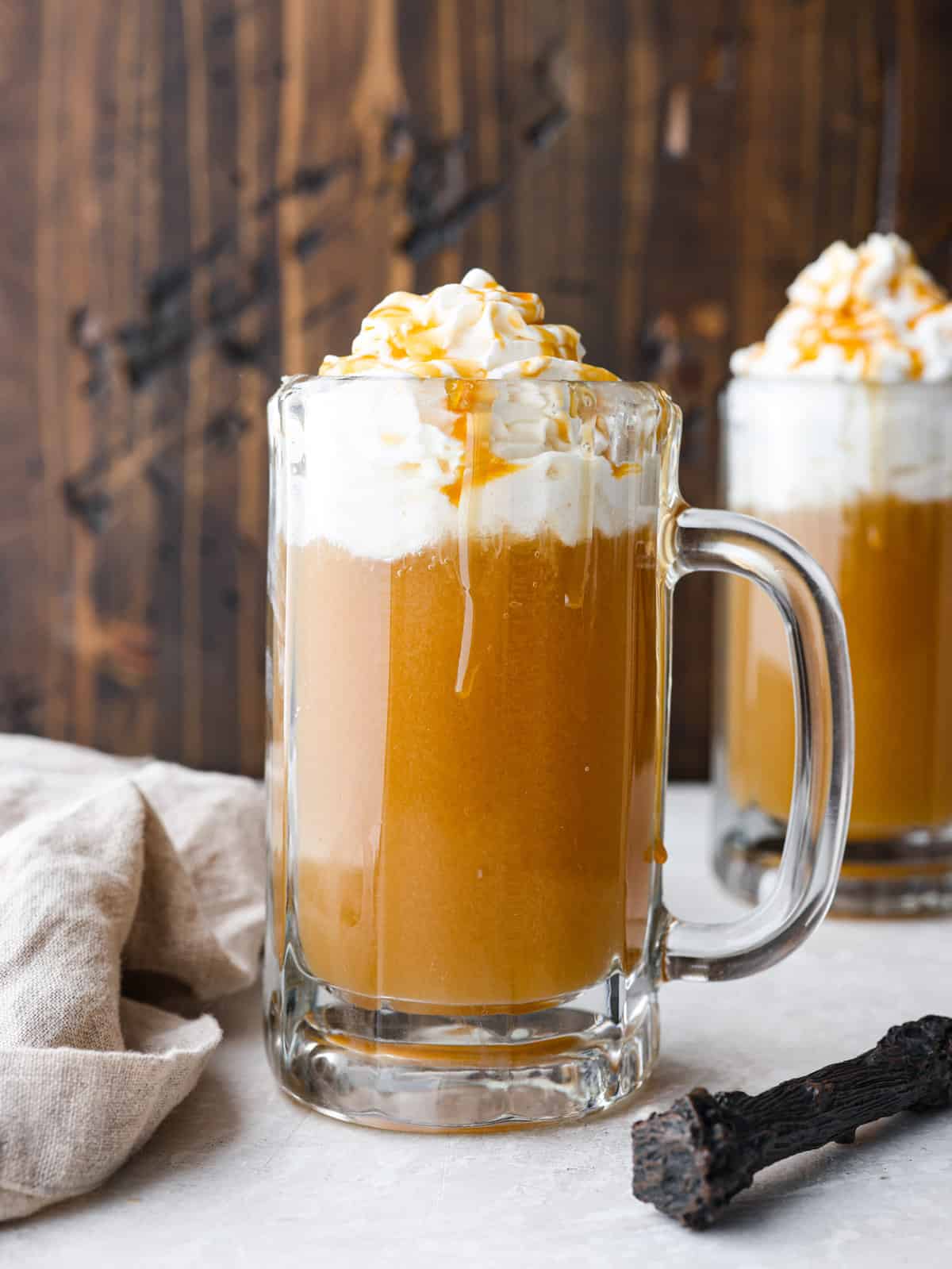
Butter Beer (German-Style Beer Pudding)
A creamy, buttery German-style beer pudding that’s perfect for a cozy dessert or brunch. Made with a rich beer sauce and a soft, spongy dough, this recipe is both comforting and indulgent.
🥘Ingredients
- 1 (12 oz) can dark beer (like a German-style lager)
- 1 cup heavy cream
- 1/2 cup whole milk
- 1/2 cup brown sugar
- 1 tsp vanilla extract
- 1/2 tsp ground cinnamon
- 1/4 tsp nutmeg
- 1/2 cup raisins (optional)
- 2 cups all-purpose flour
- 1 tsp salt
- 1 tsp baking powder
- 1/2 cup cold butter, cubed
- 1 large egg
- 1/2 cup cold milk
- 1/2 cup sugar
👨🍳Directions
-
1
Preheat oven to 350°F (175°C). Grease a 9×13-inch baking dish. -
2
In a saucepan, combine beer, heavy cream, milk, brown sugar, vanilla, cinnamon, and nutmeg. Simmer over medium heat for 5–7 minutes until slightly thickened. Remove from heat and stir in raisins (if using). Set aside to cool. -
3
In a large bowl, cream together butter and sugar until fluffy. Add egg and mix well. Gradually add flour, salt, and baking powder, mixing until a dough forms. -
4
Cut cold milk into the dough using a pastry cutter or fork until just combined. Turn dough onto a floured surface, shape into a rectangle, and roll out to 1/2-inch thickness. Transfer to the prepared baking dish. -
5
Pour the cooled beer sauce evenly over the dough. Use a pastry brush to lightly brush the top with a bit more beer sauce if desired. -
6
Bake for 40–45 minutes, or until the top is golden brown and the center is set. Let cool in the dish for at least 1 hour before slicing.
🔧Equipment
- Mixing bowls
- Stand mixer or hand mixer
- Whisk
- 9×13-inch baking dish
- Pastry brush
- Oven
📊Nutrition Facts (per serving)
📝Notes
- For a lighter version, reduce butter to 1/3 cup and use half-and-half instead of heavy cream.
- Add a pinch of cardamom or cloves for a spiced twist.
- Serve warm with a dollop of whipped cream or a scoop of vanilla ice cream.
Watch Video Of How Butter Beer (German-Style Beer Pudding) Works
❓ Frequently Asked Questions About Butter Beer (German-Style Beer Pudding)
What is the difference between traditional butter beer and homemade versions?
Traditional butter beer is typically made with a fermented base (like beer or cider) and a high butterfat content, often achieved through a process called buttering, where butter is added to the beer to create a creamy, rich texture. Homemade versions often use a simpler approach, such as blending beer with heavy cream, butter, or even a butter-flavored syrup, along with a bit of vanilla or cinnamon for depth. Key differences include the fermentation method, butterfat source, and sometimes the addition of spices or dairy for a more authentic taste.
—
Why does butter beer taste so rich and creamy?
Butter beer gets its rich, creamy flavor from the high butterfat content—typically 30-50%—which coats the palate and adds a luxurious mouthfeel. Unlike regular beer, which is mostly water and alcohol, the dairy components (butter, cream, or milk) provide a velvety texture. The fermentation process also enhances the natural sweetness and caramel notes from the malted grains used in the base beer. Adding spices like cinnamon, nutmeg, or vanilla further intensifies the rich, buttery taste.
—
Can I make butter beer without a fermenter or large container?
Yes! If you don’t have a fermenter, you can make a batch-style butter beer in a large, airtight container (like a food-grade bucket or even a large glass jar with a tight lid). Just ensure it’s clean and sanitized to avoid contamination. For a smaller-scale version, use a stainless steel pot (like a Dutch oven) to gently simmer the base beer with butter and spices, then strain and chill before serving. The key is to keep it sealed tightly to prevent oxidation and off-flavors.
—
How long does butter beer need to ferment before drinking?
The fermentation time depends on the base beer and technique:
– Cold fermentation (traditional method): 2–4 weeks at 55–65°F (13–18°C) for a smooth, clean taste.
– Warm fermentation (faster): 1–2 weeks at 70–75°F (21–24°C) for a more robust flavor.
– No fermentation (quick version): If you’re blending beer with butter and cream, you can drink it immediately (though it won’t be as complex). For a true butter beer experience, let it ferment properly.
Always check for dryness (no more bubbles) and adjust sweetness if needed.
—
What’s the best type of beer to use for butter beer, and can I substitute it?
The best base beers for butter beer are sweet, malty, or hop-light varieties that hold up well to butter and dairy additions. Common choices include:
– American lagers (like Bud Light, Michelob Ultra)
– Pilsners (clean, crisp, and low in bitterness)
– Wheat beers or sours (for a fruity, complex twist)
– Cider or hard cider (especially apple or pear varieties)
You can substitute, but avoid overly bitter or dry beers (like IPAs). If using a non-beer liquid (like apple juice or milk), balance it with a bit of honey or sugar to mimic the sweetness of beer. For a true beer-based butter beer, stick to a light, approachable beer to avoid overpowering the butter flavor.
