
brown sugar recipe

The Best brown sugar recipe
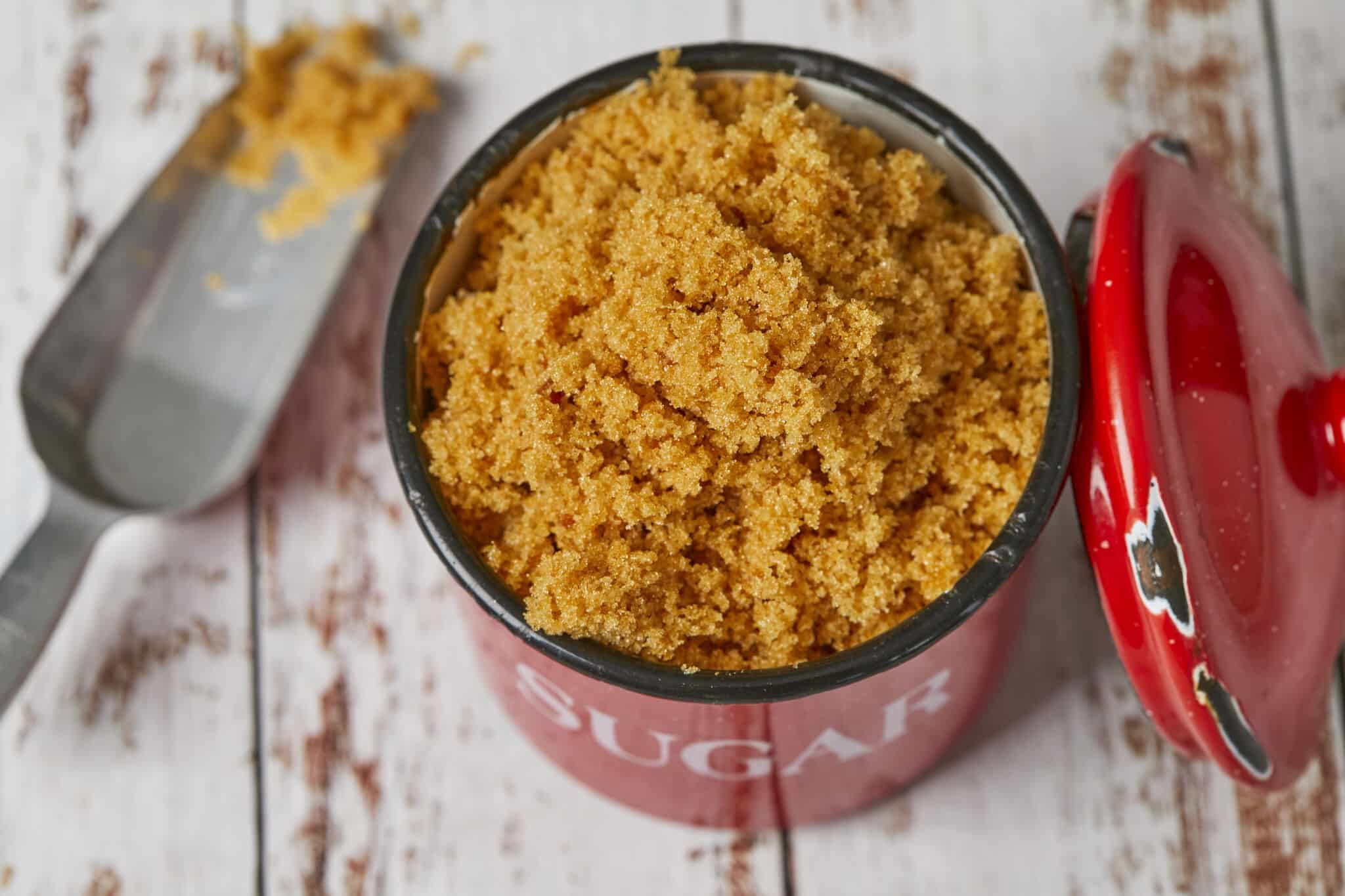
Brown sugar isn’t just delicious—it’s also got some real perks for your health. The molasses in it actually contains iron, calcium, and B vitamins, which help keep energy levels steady and support overall health. It’s not as refined as white sugar, so it retains more nutrients, even if it’s still higher in calories. That said, using it in moderation means you’re getting a little extra flavor without the same spike in blood sugar as pure white sugar. My family loves how it makes our desserts feel indulgent but still balanced, and it’s a great way to sneak in some extra nutrition when baking. Plus, there’s something comforting about a treat that’s slightly healthier, even if it still tastes like pure joy. It’s the kind of recipe that’s easy to make ahead, so you can always have it on hand for when you need a quick fix—whether it’s a last-minute birthday cake or a simple mug cake for the kids.
Classic Brown Sugar Glazed Ham
A rich, sweet, and savory glaze that adds a caramelized touch to a perfectly cooked ham, making it a festive and delicious centerpiece for any meal. This recipe is a must-try for any occasion.
🥘Ingredients
- 1 (12–14 lb) fresh or cooked bone-in ham, about 1 inch thick
- 1 tbsp unsalted butter, softened
- ½ cup brown sugar (light or dark)
- ¼ cup granulated sugar
- 2 tbsp unsalted butter
- 2 tbsp Dijon mustard
- 1 tbsp apple cider vinegar
- 1 tsp ground cinnamon
- ½ tsp ground cloves
- ¼ tsp salt
- ¼ tsp black pepper
👨🍳Directions
-
1
Preheat oven to 325°F (165°C). If using a fresh ham, score the fat cap in a diamond pattern and remove any bones. -
2
Place the ham in a baking dish, fat side up. Rub the softened butter evenly over the ham. -
3
In a small bowl, combine brown sugar, granulated sugar, butter, Dijon mustard, apple cider vinegar, cinnamon, cloves, salt, and pepper. Mix well. -
4
Pour the glaze mixture over the ham, ensuring it coats evenly. Cover the dish with aluminum foil and bake for 45 minutes. -
5
Remove the foil and bake for another 30–45 minutes, or until the ham reaches an internal temperature of 145°F (63°C) and the glaze is thickened and bubbly. -
6
Let the ham rest for 10 minutes before slicing. Serve warm or at room temperature.
🔧Equipment
- Mixing bowl
- Glass or ceramic baking dish (9×13 inches)
- Oven
- Knife and cutting board
- Mixing spoon
- Aluminum foil
📊Nutrition Facts (per serving)
📝Notes
Tips
- For extra flavor, add a pinch of nutmeg or a splash of bourbon to the glaze.
- If using a pre-cooked ham, bake it first at 325°F (165°C) for 15–20 minutes to warm it through before adding the glaze.
- Adjust the sugar ratio for a sweeter or less sweet glaze by increasing or decreasing the amounts proportionally.
Substitutions
- Substitute Dijon mustard with regular mustard if preferred.
- Use maple syrup instead of apple cider vinegar for a slightly different tang.
Watch Video Of How Classic Brown Sugar Glazed Ham Works
❓ Frequently Asked Questions About Brown Sugar Glazed Ham
1. What is the difference between brown sugar and white sugar, and why do people use brown sugar in recipes?
Brown sugar contains molasses, which gives it a deeper flavor and slightly caramelized notes compared to white sugar. The molasses also adds moisture, helping baked goods like cookies, cakes, and bread stay softer and more tender. It enhances richness in dishes like caramel, pie fillings, and glazes.
2. How should I store brown sugar to keep it fresh and prevent clumping?
Brown sugar should be stored in an airtight container at room temperature, away from direct sunlight and heat sources. If it clumps, you can gently break it up with a fork or place it in a sealed bag with a small amount of rice or cornmeal to absorb moisture. Avoid refrigerating it unless it’s very damp.
3. Can I substitute white sugar for brown sugar in recipes, and if so, what’s the best way to do it?
Yes, you can substitute white sugar, but the results may differ in texture and flavor. For a 1:1 swap, mix equal parts white sugar with ¼ to ½ teaspoon of molasses per cup of white sugar to mimic the moisture and depth of brown sugar. This works best in baking, but for caramel or sauces, white sugar may not add enough richness.
4. Why does brown sugar sometimes get sticky or clump together, and how can I prevent it?
Brown sugar clumps due to moisture absorption from the air. To prevent this, store it in a tightly sealed container with a small piece of silica gel (like rice or cornmeal) to absorb excess humidity. If it’s already clumpy, gently break it into smaller pieces and store it properly to avoid future issues.
5. Is there a difference between light and dark brown sugar, and when should I use each?
Light brown sugar has a milder, sweeter flavor with less molasses, making it ideal for cookies, cakes, and quick breads where you want a softer texture. Dark brown sugar has a deeper, more robust molasses flavor, which is better for caramel, molasses-based recipes, or when you want a slightly chewier result in baked goods.
