
cajun jambalaya recipe

The Best cajun jambalaya recipe
What really makes jambalaya special is how versatile it is. You can swap out the protein—chicken, shrimp, or even just sausage if you’re in a hurry—and it still comes out delicious. The rice cooks up tender, and the spices add just the right kick without overpowering. My family loves it because it’s filling but not heavy, and it’s got enough flavor to make you want seconds. Plus, it’s a great way to use up whatever’s left in the fridge—sautéed veggies, leftover chicken, or even just a handful of sausage links work just fine. I also love that it’s packed with nutrients. The tomatoes give it a healthy dose of vitamins, the rice provides complex carbs for energy, and the lean proteins keep things balanced. It’s the kind of meal that feels indulgent but actually nourishes you, which is why I always make sure to include it in our weekly rotation.
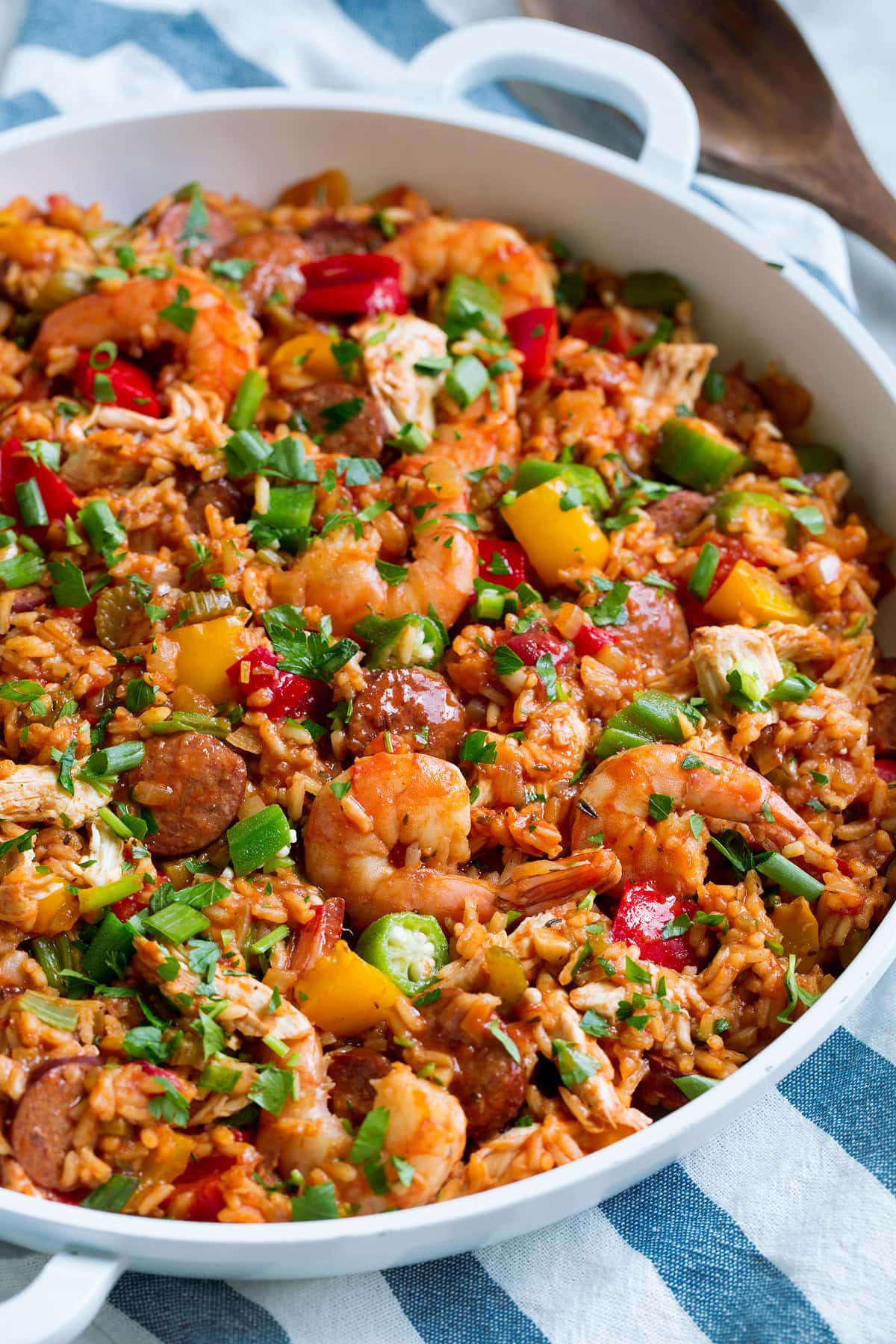
Cajun Jambalaya
A flavorful one-pot dish combining rice, meat (traditionally chicken or sausage), and a blend of Cajun spices, resulting in a hearty and aromatic meal. This recipe is a must-try for any occasion.
🥘Ingredients
- 1 lb (450g) chicken thighs or drumsticks
- 1 lb (450g) smoked sausage (andouille or kielbasa)
- 1 large onion, diced
- 3 cloves garlic, minced
- 2 cups (480ml) long-grain white rice
- 1 (14.5 oz) can diced tomatoes with green chiles
- 1 cup (240ml) chicken broth
- 1 tsp Cajun seasoning
- 1 tsp smoked paprika
- 1/2 tsp thyme
- 1/2 tsp black pepper
- 1/4 tsp cayenne pepper (adjust to taste)
- Salt to taste
- 1 bell pepper, diced
- 1/2 cup (50g) diced celery
- 1/2 cup (50g) diced mushrooms
- 1/2 cup (120ml) chicken stock (extra if needed)
👨🍳Directions
-
1
In a large Dutch oven, brown the chicken thighs and sausage over medium-high heat. Remove and set aside, leaving the fat in the pot. -
2
In the same pot, sauté the diced onion, garlic, bell pepper, celery, and mushrooms (if using) until softened, about 5 minutes. -
3
Add the diced tomatoes with green chiles, chicken broth, and all the seasonings (Cajun, smoked paprika, thyme, black pepper, cayenne, and salt). Stir well to combine. -
4
Return the chicken and sausage to the pot. Stir in the rice, ensuring it is evenly coated in the broth. Bring to a boil. -
5
Once boiling, reduce heat to low, cover, and simmer for 20-25 minutes, or until the rice is tender and most of the liquid is absorbed. Stir occasionally. -
6
If the mixture is too dry, add extra chicken stock or water to reach your desired consistency. Let it sit for another 5 minutes before serving.
🔧Equipment
- Large Dutch oven or heavy-bottomed pot
- Knife and cutting board
- Mixing bowls
- Measuring cups and spoons
- Wooden spoon or spatula
- Cooking thermometer (optional)
📊Nutrition Facts (per serving)
📝Notes
Tips
- For extra flavor, add a splash of hot sauce or a pinch of cayenne pepper towards the end of cooking.
- To make it vegetarian, replace the meat with mushrooms, chickpeas, or plant-based sausage.
- Always taste and adjust seasoning—Cajun flavors can be bold, so start with less and add more if needed.
- Rest the jambalaya for 5 minutes before serving to allow flavors to meld.
Variations
- Add shrimp or crab meat for a seafood twist.
- Include some smoked gouda or cheddar cheese for a creamy, cheesy version.
Watch Video Of How Cajun Jambalaya Works
❓ Frequently Asked Questions About Cajun Jambalaya
What is the key difference between Cajun and Creole jambalaya?
Cajun jambalaya typically features a mix of rice, sausage (andouille or kielbasa), chicken or seafood, and a blend of Cajun spices like paprika, thyme, and peppers. Creole jambalaya, on the other hand, often includes tomatoes, bell peppers, onions, and a lighter spice profile, sometimes with a tomato-based roux or broth. Cajun versions are heartier and more spicy, while Creole versions are richer and slightly sweeter.
Why does my jambalaya turn out mushy or too dry?
Mushy jambalaya often happens when rice absorbs too much liquid too quickly—cooking it too long or using too much broth. To prevent this, use a ratio of 1 cup rice to 2 cups liquid (adjust slightly based on your rice type). Stir gently during cooking to prevent clumping and avoid overcrowding the pot. For dryness, ensure you’re not removing liquid too early and check doneness by tasting the rice—it should be tender but still slightly firm.
Can I substitute andouille sausage for another type of sausage in jambalaya?
Yes, but keep in mind that andouille has a distinct smoky, slightly sweet flavor. You can use bacon, smoked sausage (like kielbasa or chorizo), or even chicken sausage (though it’ll be milder). For seafood jambalaya, shrimp or crab meat works well. Avoid plain pork sausage unless you’re aiming for a more traditional Cajun taste—it may lack the depth of flavor.
How do I make a roux for jambalaya without burning it?
A roux is the foundation of jambalaya—start with equal parts fat (butter, oil, or bacon fat) and flour (e.g., 1:1 ratio). Cook on medium-low heat, stirring constantly, until it reaches your desired color:
– Light brown (peanut butter shade): 10–15 mins (best for mild flavor).
– Dark brown (chocolate-like): 20–30 mins (richer, deeper taste).
– Black (rarely used in jambalaya): 30+ mins (intense, almost nutty).
Stop stirring once it reaches your target color—burning ruins the roux. For jambalaya, a medium-brown roux is ideal.
Should I use long-grain white rice or short-grain jasmine rice for jambalaya?
For jambalaya, long-grain white rice (like Arborio or basmati) is best because it holds its shape better and absorbs liquid without turning mushy. Jasmine rice can work but may release more starch, making the dish stickier. Avoid short-grain rice (like sushi rice) as it becomes gummy. If you’re short on time, rice with a higher protein content (like jasmine or short-grain) can work, but long-grain is the traditional choice.
