
turkish bread recipe

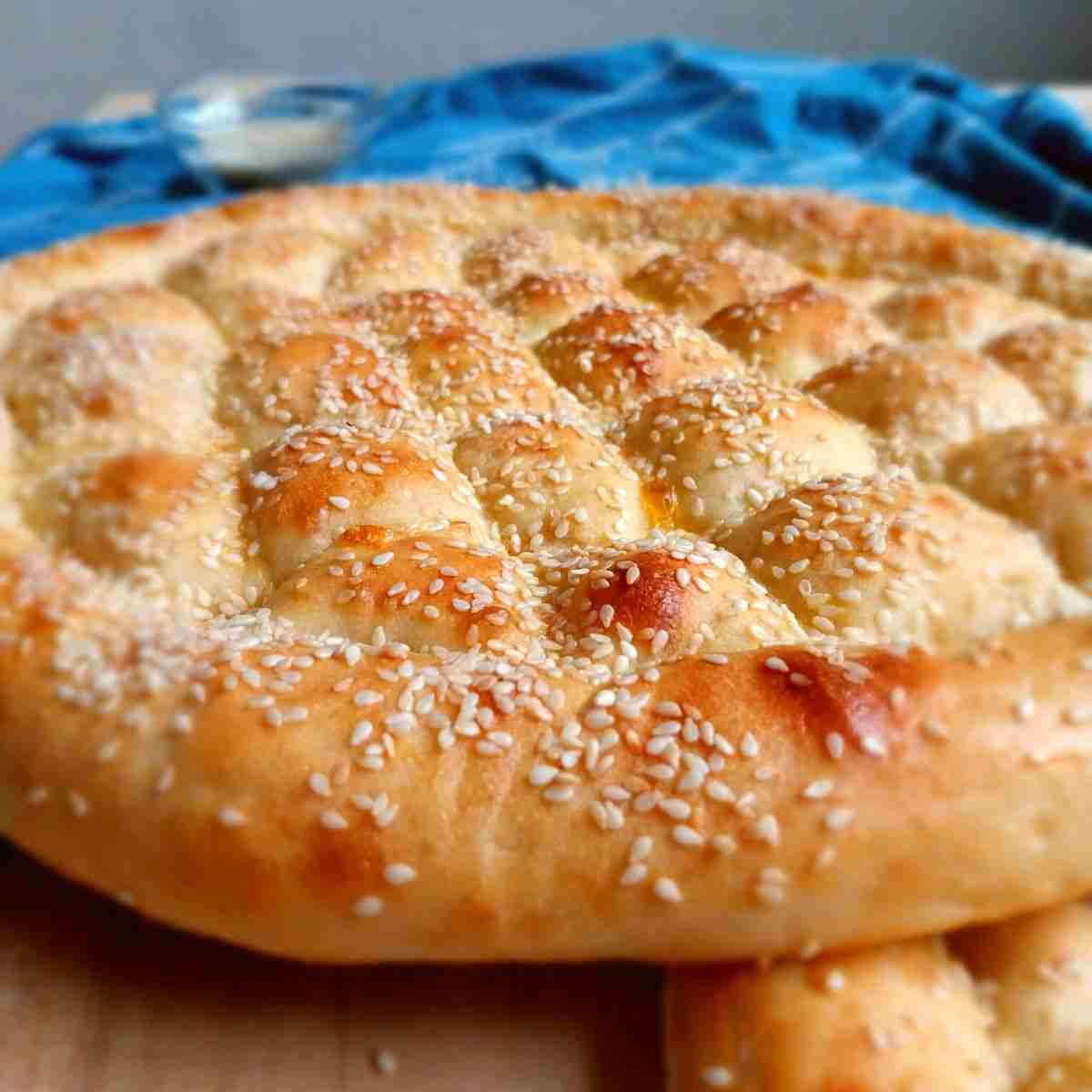
The Best turkish bread recipe
What I love most about this recipe is how versatile it is. It’s perfect for weeknight dinners when I need something quick to go with soup or grilled meats, but it also holds up beautifully for gatherings. I’ve served it at everything from casual barbecues to holiday meals, and it always disappears fast. Plus, it’s made with just a handful of basic ingredients—flour, yeast, water, salt, and a little sugar—which means it’s not only budget-friendly but also a healthier option than store-bought bread loaded with preservatives. The whole wheat version is even better, adding a nice nuttiness and extra fiber without sacrificing that light, airy texture. If you’re looking for a bread that’s simple, delicious, and works for just about any occasion, this is the one to try.
Homemade Turkish Bread (Pide)
A soft, fluffy, and slightly chewy Turkish bread with a golden crust, perfect for serving with dips, mezes, or as a wrap. This traditional recipe brings the authentic taste of Turkish pide to your kitchen with simple ingredients.
🥘Ingredients
- 4 cups (500g) all-purpose flour, plus extra for dusting
- 1 tsp salt
- 1 tsp sugar
- 1 packet (7g) active dry yeast
- 1 ¼ cups (300ml) warm water (about 110°F)
- 2 tbsp olive oil, plus extra for greasing
- 1 egg yolk, beaten (for egg wash)
- 1 tbsp sesame seeds or nigella seeds (black cumin)
👨🍳Directions
-
1
Activate the yeast: In a small bowl, mix warm water, sugar, and yeast. Let sit for 5-10 minutes until frothy. -
2
Make the dough: In a large mixing bowl, combine flour and salt. Add the yeast mixture and olive oil. Mix until a shaggy dough forms. -
3
Knead the dough: Turn the dough onto a floured surface and knead for 8-10 minutes until smooth and elastic. Alternatively, use a stand mixer with a dough hook for 5-6 minutes. -
4
First rise: Lightly grease the bowl with olive oil, place the dough inside, and cover with a damp towel or plastic wrap. Let rise in a warm place for 1 hour or until doubled in size. -
5
Shape the bread: Preheat the oven to 425°F (220°C). Punch down the dough and divide it into 4 equal portions. Roll each portion into a ball, then flatten into an oval or round shape about ½-inch thick. -
6
Add topping (optional): Place the shaped dough on a parchment-lined baking sheet. Brush the tops with beaten egg yolk and sprinkle with sesame or nigella seeds. -
7
Bake: Bake for 15-20 minutes or until the bread is golden brown and sounds hollow when tapped on the bottom. -
8
Cool and serve: Let the bread cool on a wire rack for 5 minutes before serving. Enjoy warm with dips, cheese, or as a wrap.
🔧Equipment
- Large mixing bowl
- Clean kitchen towel or plastic wrap
- Baking sheet
- Parchment paper
- Pastry brush
- Rolling pin
- Oven
📊Nutrition Facts (per serving)
📝Notes
Watch Video Of How Homemade Turkish Bread (Pide) Works
❓ Frequently Asked Questions About Turkish Bread (Pide)
1. What type of flour is best for making Turkish bread?
The best flour for Turkish bread is high-protein bread flour or all-purpose flour with a protein content of around 11-12%. Bread flour gives the bread a chewier texture, while all-purpose flour works well for a slightly softer result. Some recipes also use a mix of whole wheat and white flour for added flavor and texture.
2. Why does my Turkish bread turn out dense instead of light and fluffy?
A dense Turkish bread can result from several factors, including over-kneading the dough, not allowing enough time for proofing, or using too much flour. Ensure the dough is soft and slightly sticky, proof it until doubled in size, and avoid adding extra flour unless necessary. Also, check that your yeast is fresh and active.
3. Can I make Turkish bread without a baking stone or pizza stone?
Yes, you can still make Turkish bread without a baking stone. Use a heavy baking sheet or an inverted baking tray preheated in the oven. For best results, place the dough on parchment paper to prevent sticking and transfer it to the hot tray. Alternatively, you can bake it directly on a greased baking sheet, though the crust may not be as crisp.
4. How do I store Turkish bread to keep it fresh?
To keep Turkish bread fresh, wrap it in a clean kitchen towel or aluminum foil and store it at room temperature for up to 2 days. For longer storage, slice the bread and freeze it in a sealed bag for up to 3 months. Reheat frozen bread in the oven at 350°F (175°C) for 5-10 minutes or toast it directly from frozen.
5. Can I add herbs or spices to the Turkish bread dough?
Absolutely! Adding herbs or spices can enhance the flavor of Turkish bread. Popular options include dried oregano, thyme, rosemary, garlic powder, or sesame and nigella seeds. Mix them into the dough during kneading or sprinkle them on top before baking for extra texture and taste. Just be mindful not to overdo it, as too many additions can affect the dough’s rise.

