
korean beef recipe ground beef

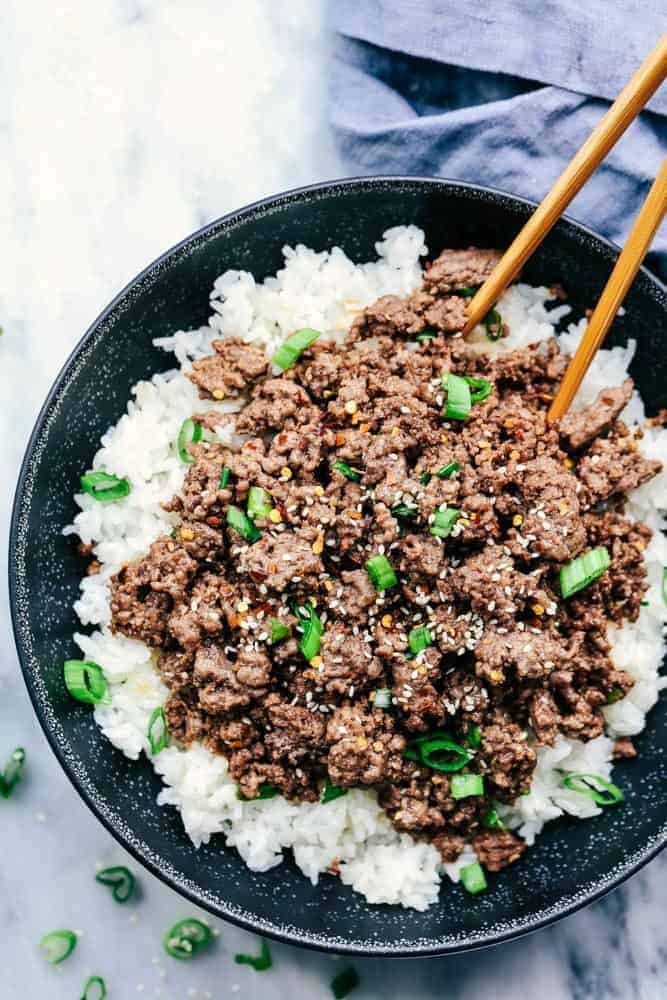
The Best korean beef recipe ground beef
The best part? It’s made with ground beef, which is not only affordable but also a great source of protein and iron. The sauce is a balance of sweet, savory, and a little spicy, thanks to the soy sauce, brown sugar, garlic, and a touch of gochujang or sriracha. I like to add in some grated carrots or zucchini for extra veggies without anyone noticing—because let’s be real, getting kids to eat their vegetables can be a battle. This dish is also naturally gluten-free if you use tamari instead of soy sauce, and it reheats beautifully, so leftovers are never a problem. It’s one of those meals that checks all the boxes: easy, healthy, and delicious.
Korean-Style Ground Beef (Bulgogi-Inspired)
A quick and flavorful Korean-inspired ground beef dish that’s sweet, savory, and slightly spicy. Perfect over rice or in lettuce wraps for a delicious weeknight meal.
🥘Ingredients
- 1 lb (450g) ground beef (80/20 or 85/15)
- 3 cloves garlic, minced
- 1 tbsp fresh ginger, grated
- 1 small onion, finely diced
- 2 green onions, sliced (for garnish)
- 1/3 cup soy sauce (low-sodium preferred)
- 2 tbsp brown sugar (or honey)
- 1 tbsp gochujang (Korean red pepper paste, optional for heat)
- 1 tbsp sesame oil
- 1 tbsp rice vinegar
- 1 tsp black pepper
- 1 tsp toasted sesame seeds (for garnish)
- Steamed white or brown rice
- Butter lettuce leaves (for wraps)
- Sliced cucumber or kimchi
👨🍳Directions
-
1
In a small bowl, whisk together all the sauce ingredients: soy sauce, brown sugar, gochujang, sesame oil, rice vinegar, and black pepper. Set aside. -
2
Heat a large skillet or wok over medium-high heat. Add the ground beef and cook, breaking it apart with a wooden spoon, until browned (about 5 minutes). Drain excess fat if needed. -
3
Add the minced garlic, grated ginger, and diced onion to the skillet. Cook for 2-3 minutes until the onion softens and the mixture is fragrant. -
4
Pour the prepared sauce over the beef mixture. Stir well to combine and let it simmer for 3-4 minutes, until the sauce thickens slightly. -
5
Remove from heat and stir in half of the sliced green onions. Garnish with the remaining green onions and toasted sesame seeds. -
6
Serve hot over steamed rice, in lettuce wraps, or with your favorite side dishes.
🔧Equipment
- Large skillet or wok
- Mixing bowl
- Wooden spoon or spatula
- Measuring spoons
- Knife and cutting board
📊Nutrition Facts (per serving)
📝Notes
Watch Video Of How Korean-Style Ground Beef (Bulgogi-Inspired) Works
❓ Frequently Asked Questions About Korean-Style Ground Beef (Bulgogi-Inspired)
1. What cut of beef is best for Korean ground beef?
The best cut for Korean ground beef is 80% lean, 20% fat ground chuck. The fat content keeps the meat juicy and flavorful, while the chuck provides a good balance of texture. You can also use ground sirloin (90/10) for a leaner option, but it may be slightly less tender.
2. Can I make Korean ground beef ahead of time?
Yes! Korean ground beef reheats well and can be made 1–2 days in advance. Store it in an airtight container in the fridge and reheat gently in a skillet over medium heat or in the microwave. The flavors often deepen after resting, making it even tastier the next day.
3. What can I serve with Korean ground beef?
Korean ground beef is versatile! Serve it with:
– Steamed white rice (classic pairing)
– Bibimbap (over rice with veggies and a fried egg)
– Lettuce wraps (for a low-carb option)
– Ramen or udon noodles (for a hearty bowl)
– Kimchi or quick-pickled veggies (for tangy contrast)
4. How do I make Korean ground beef less spicy?
To reduce the heat, adjust the gochujang (Korean red pepper paste) or gochugaru (Korean red pepper flakes). Start with half the amount, taste, and add more if needed. You can also balance the spice with a little extra brown sugar, honey, or grated pear for sweetness.
5. Can I freeze Korean ground beef?
Absolutely! Freeze it in airtight containers or freezer bags for up to 3 months. Thaw overnight in the fridge before reheating. For best texture, avoid overcooking when reheating—gently warm it in a skillet with a splash of water or broth.


