
tart dish recipe

The Best tart dish recipe
I also love how tart dishes can be a great way to sneak in some extra nutrients without making anyone feel like they’re eating “healthy.” The tartar sauce, for example, is packed with fresh citrus and a touch of cream, which gives it a creamy texture without being overly heavy. Plus, the lemon or lime zest adds a burst of vitamin C that’s great for the immune system, and if you’re using a whole-grain crust or adding some fruit like berries, you’re getting fiber too. It’s not just about the taste—it’s about making something that feels special but is actually good for you in a way that doesn’t feel like a chore. And honestly, when my kids see me making it, they always say it tastes like dessert, which is basically the best compliment. It’s that kind of dish that makes me feel proud to cook for my family, no matter how simple it is.
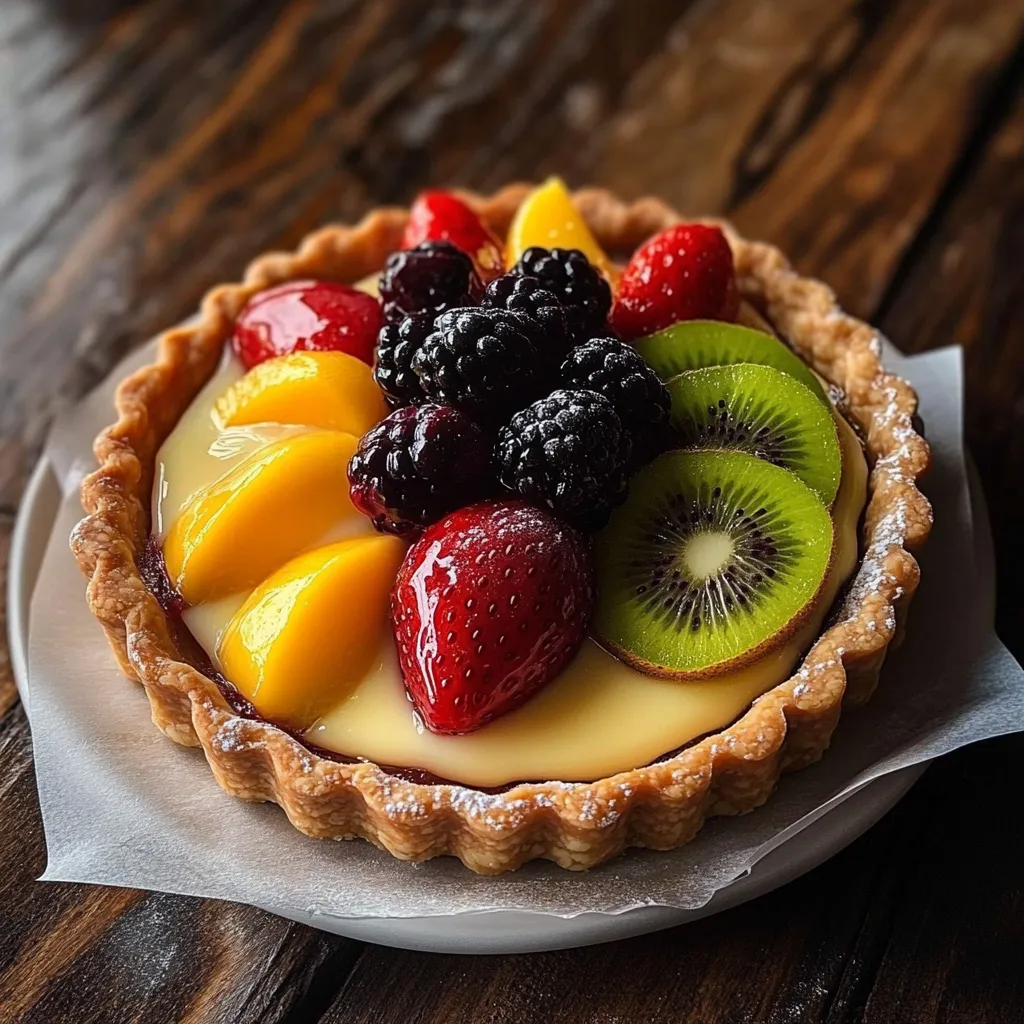
Classic Lemon Tart with Almond Crust
A refreshing and elegant tart featuring a buttery almond crust and a creamy lemon curd filling. Perfect for any occasion!
🥘Ingredients
- 1 ½ cups almond flour
- ½ cup granulated sugar
- 1 egg
- 1 tsp vanilla extract
- Pinch of salt
- 4 large eggs
- ½ cup granulated sugar
- ½ cup fresh lemon juice (about 2 lemons)
- Zest of 2 lemons
- ½ cup unsalted butter
👨🍳Directions
-
1
Preheat oven to 350°F (175°C). Line a tart pan with parchment paper and lightly grease it. -
2
In a bowl, mix almond flour, sugar, egg, vanilla extract, and salt until a dough forms. Press the dough evenly into the tart pan, smoothing the top. Bake for 12-15 minutes until lightly golden. -
3
While the crust bakes, whisk eggs, sugar, lemon juice, lemon zest, and butter in a saucepan over medium heat. Cook, stirring constantly, until the mixture thickens (about 10-12 minutes). Remove from heat and let it cool slightly. -
4
Once the crust is cooled, pour the lemon curd filling evenly over it. Chill in the refrigerator for at least 2 hours before serving.
🔧Equipment
- Mixing bowls
- Whisk
- Rolling pin
- 9-inch tart pan (with removable bottom)
- Parchment paper
- Oven
- Fine-mesh sieve
- Mixing spoon
📊Nutrition Facts (per serving)
📝Notes
Tips
- For extra crispiness, chill the crust for 30 minutes before baking.
- Substitute lemon juice with lime juice for a tangier twist.
- Ensure eggs are fresh for a smoother curd texture.
Variations
- Add a sprinkle of confectioners’ sugar on top before serving.
- Mix in a bit of lemon zest into the crust for added flavor.
Watch Video Of How Classic Lemon Tart with Almond Crust Works
❓ Frequently Asked Questions About Lemon Tart with Almond Crust
1. What is the origin of tart dishes like this one, and why are they popular in certain cuisines?
Tart dishes, particularly those featuring a buttery crust and sweet or savory fillings, trace their roots to ancient culinary traditions. In European cuisine, tarts originated as simple baked pastries, often filled with fruits, meats, or cheese. Their popularity surged in regions like France (where they’re known as tarte), Italy (like torta), and the Middle East (such as baklava-inspired tarts). The dish became a staple in many cultures due to its versatility—it can be sweet or savory, quick to prepare, and visually appealing. In the U.S., tarts gained traction in the 19th century as a way to repurpose leftovers (e.g., meat or fruit) into a delicious dessert or side. Their simplicity and adaptability make them a favorite for home cooks and bakers alike.
2. Can I make this tart recipe ahead of time, and if so, how should I store it?
Yes, you can prepare this tart ahead of time, but the crust and filling should be assembled in stages to prevent sogginess. For a sweet tart (e.g., apple or berry), assemble the crust first, chill it for 30 minutes, then add the filling and bake as directed. Store the unbaked tart in the fridge for up to 24 hours. Once baked, cool completely before storing in an airtight container at room temperature for 2–3 days or refrigerate for up to a week. For a savory tart (e.g., spinach and feta), assemble the crust, add the filling, and refrigerate for up to 4 hours before baking. Baked savory tarts can be stored similarly but may benefit from reheating slightly to restore crispness.
3. What are some common mistakes to avoid when making a tart’s crust, and how can I fix them?
A few frequent pitfalls include:
– Overworking the dough: Kneading too much develops gluten, making the crust tough. Mix just until it comes together, then chill for 30 minutes before rolling.
– Not chilling the dough: A cold dough rolls out more easily and prevents tears. Always refrigerate it for at least 30 minutes (or freeze for 20 minutes for a thicker crust).
– Using the wrong flour: All-purpose flour works well, but for a lighter texture, use a mix of all-purpose and pastry flour (e.g., 75% AP, 25% pastry). Avoid bread flour unless you want a chewier crust.
– Skipping the blind baking: A cracked or uneven crust happens if you don’t blind-bake (weigh down the dough with pie weights, dried beans, or aluminum foil + rice). Pre-bake for 12–15 minutes until lightly golden.
– Not letting the filling cool: Adding warm or runny filling can cause the crust to puff or steam excessively. Let fillings cool to room temperature before assembling.
4. How can I customize this tart recipe to suit dietary restrictions (e.g., gluten-free, vegan, or low-sugar)?
– Gluten-free: Replace all-purpose flour with a 1:1 gluten-free blend (e.g., Bob’s Red Mill or King Arthur). Ensure all fillings (e.g., apples, cream cheese) are certified gluten-free.
– Vegan: Use vegan butter (e.g., Earth Balance) and dairy-free cream cheese (e.g., Miyoko’s or Violife). For a fruit tart, swap eggs in the filling with flax eggs (1 tbsp ground flax + 3 tbsp water per egg) or omit them entirely.
– Low-sugar: Reduce sugar in fillings by 25–50% (e.g., ½ cup sugar for 1 cup apples). Use berries (raspberries, blackberries) or mango instead of sweet apples. For a savory tart, skip added sugar entirely.
– Nut-free: Ensure fillings like nut-based toppings (e.g., pecans) are omitted or replaced with seeds (pumpkin or sunflower). Check labels for hidden nuts in ingredients like cream cheese or pie crust mixes.
5. What are the best ways to serve tart dishes, and how can I elevate them further?
Serve tarts as a standalone dessert, a side dish, or a breakfast option. To elevate them:
– Sweet tarts: Pair with a scoop of vanilla ice cream, a drizzle of caramel or balsamic glaze, or crushed nuts (toasted walnuts or pecans) for crunch. For a boozy twist, add a shot of brandy or rum to the filling.
– Savory tarts: Serve with a side salad (e.g., arugula with lemon vinaigrette) or crusty bread to soak up the filling. For a gourmet touch, add a sprinkle of fresh herbs (parsley, chives) or a crumbled goat cheese topping.
– Presentation: Use tart pans with decorative handles or transfer the tart to a pretty plate with edible flowers or a dusting of powdered sugar. For a rustic look, bake in a cast-iron skillet or copper pan.
– Make it interactive: Turn it into a tasting platter by offering mini tartlets (use tart shells or ramekins) with different fillings (e.g., blueberry, lemon curd, and spiced apple).


