
ethiopian food recipe

The Best ethiopian food recipe
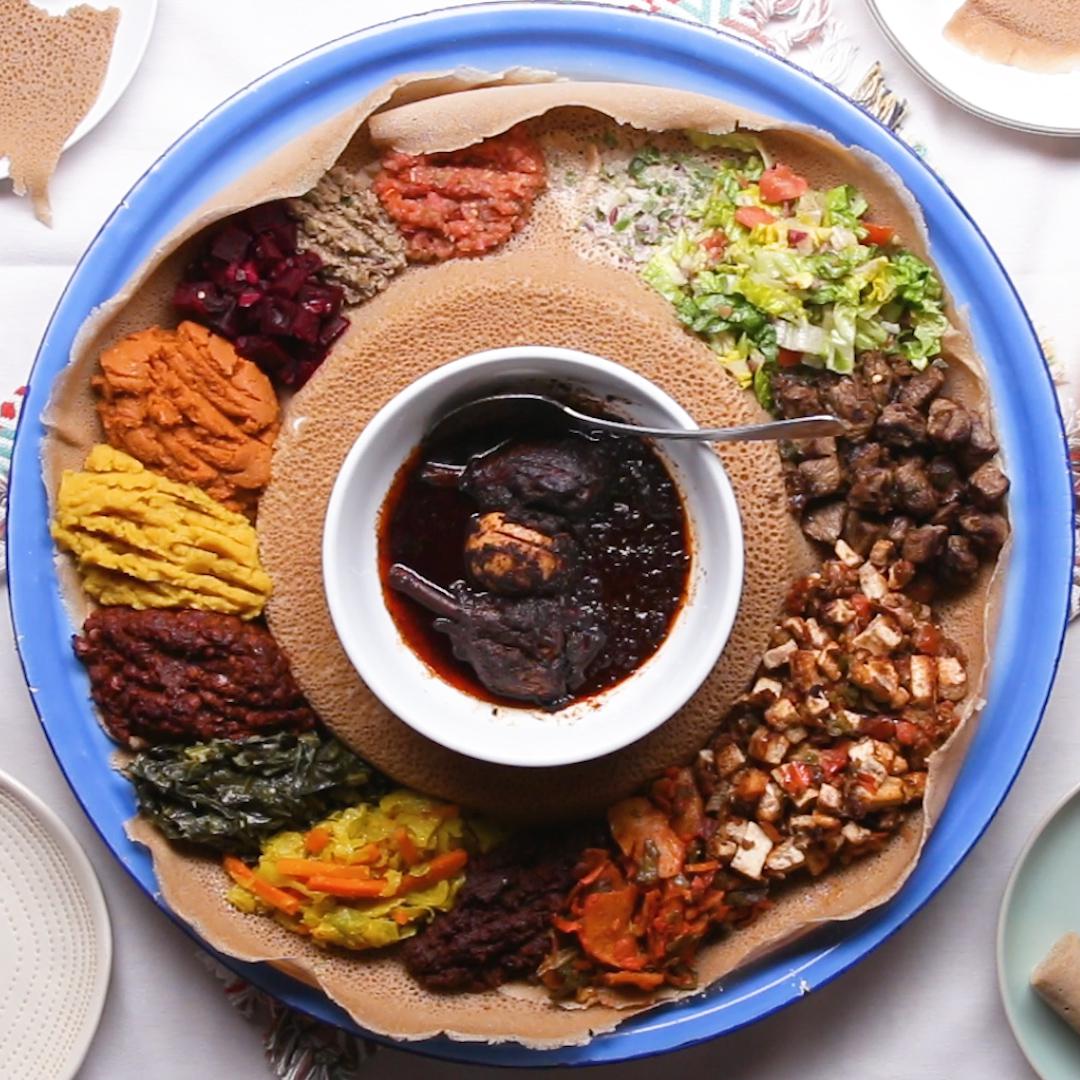
Doro Wat (Ethiopian Spicy Chicken Stew)
A flavorful and aromatic Ethiopian stew made with spiced chicken, served with injera (sourdough flatbread). This dish is a staple in Ethiopian cuisine, known for its rich, tangy, and spicy flavors.
🥘Ingredients
- 2 lbs boneless chicken thighs (cut into pieces)
- 2 tbsp olive oil
- 1 tsp salt
- 1 tsp black pepper
- 2 tbsp berbere spice blend
- 1 tbsp ground cumin
- 1 tbsp ground coriander
- 1 tsp paprika
- 1 tsp fenugreek
- 1 tsp cardamom
- 1 tsp cinnamon
- 1 tsp ginger (powdered)
- 1 tsp turmeric
- 1 tsp black pepper
- 1 tsp salt
- 2 large onions (chopped)
- 4 cloves garlic (minced)
- 2 tbsp tomato paste
- 1 cup water or chicken broth
- 1 tbsp lemon juice
- 1 tbsp olive oil
- 2 cups teff flour (or all-purpose flour)
- 1 tsp salt
- 1 packet (7g) active dry yeast
- 1 cup warm water
👨🍳Directions
-
1
Prepare the chicken: Season the chicken pieces with salt, pepper, and a pinch of berbere spice. Heat olive oil in a skillet over medium-high heat. Cook the chicken until browned on all sides (about 5-7 minutes). Remove and set aside. -
2
Make the berbere paste: In a small bowl, mix all the berbere spice ingredients together to form a paste. -
3
Cook the onions and garlic: In the same skillet, sauté chopped onions until soft (about 5 minutes). Add minced garlic and cook for another minute. Stir in tomato paste and cook for 2 minutes. -
4
Add the sauce: Pour in the water or broth, lemon juice, and a bit of the berbere paste. Stir well and bring to a gentle simmer. Cook for 5 minutes. -
5
Combine chicken and sauce: Return the chicken to the pot, add the remaining berbere paste, and stir well. Simmer for 20-25 minutes until the chicken is fully cooked and flavors meld together. -
6
Prepare injera: Mix teff flour, salt, yeast, and warm water to form a dough. Let it rest for 10 minutes. Divide into 4 equal portions and roll each into a thin circle. Cook on a hot, dry surface or in a skillet until bubbles form and the edges lift. -
7
Serve: Place cooked chicken and sauce on top of injera. Serve immediately with additional injera for scooping.
🔧Equipment
- Large pot
- Skillet or frying pan
- Mixing bowls
- Wooden spoon
- Knife and cutting board
- Measuring cups and spoons
📊Nutrition Facts (per serving)
📝Notes
- Adjust the berbere spice blend to taste; some prefer it hotter or milder.
- For a quicker version, use pre-made berbere spice.
- Injera can be made ahead and stored in the fridge for up to 2 days.
- Serve with other Ethiopian dishes like kitfo (minced raw beef) or misir wat (red lentil stew).
Watch Video Of How Doro Wat (Ethiopian Spicy Chicken Stew) Works
❓ Frequently Asked Questions About Doro Wat (Ethiopian Spicy Chicken Stew)
1. What is the most traditional Ethiopian dish, and what makes it unique compared to other cuisines?
The most traditional Ethiopian dish is injera, a sourdough flatbread made from teff flour. Unlike other flatbreads, injera is fermented, giving it a slightly tangy flavor and a spongy texture. It serves as both a plate and utensil, allowing diners to eat with their hands while sharing food around a communal table. Ethiopian cuisine also features a rich variety of spicy stews like wat, which are typically served with injera, making it distinctively different from dishes like pasta, rice, or bread-based meals from other cultures.
—
2. What are the key ingredients in a classic Ethiopian stew (wat), and how do you balance the flavors?
A classic Ethiopian stew (wat) typically includes:
– Spices: Berbere (a fiery red pepper blend), cumin, coriander, cardamom, and fenugreek.
– Meat/Vegetables: Goat, chicken, lamb, or vegetables like onions, carrots, and potatoes.
– Base: Tomato paste, garlic, ginger, and sometimes lentils or chickpeas.
– Liquids: Water, vegetable oil, and sometimes yogurt or vinegar for tanginess.
Balancing flavors involves adjusting the heat (from berbere), acidity (from yogurt or vinegar), and sweetness (from tomatoes or onions). Start with a lighter spice blend, gradually adding berbere, and always taste as you cook to avoid overpowering the dish.
—
3. Why is teff flour so special in Ethiopian cooking, and how does it differ from regular wheat flour?
Teff flour is sacred in Ethiopian cuisine because it’s the staple grain in the country. Unlike wheat flour, teff is small, round, and high in protein, calcium, and iron, making it nutritious. It ferments into injera, creating a unique texture and mild, slightly nutty flavor. Regular wheat flour lacks this fermentation process, resulting in denser, less spongy bread. Additionally, teff’s low gluten content makes it easier to digest, which is why Ethiopian injera is often recommended for those with gluten sensitivities (though it’s still gluten-free in its natural form).
—
4. How do you properly prepare injera for the best texture and taste?
To make the best injera:
1. Mix the batter – Combine teff flour with water (about 1:1 ratio) and a pinch of salt, then let it ferment for 12–24 hours at room temperature. The fermentation gives it that signature tang.
2. Cook slowly – Heat a non-stick pan on low-medium heat, add a little oil or water, and pour the batter in a thin layer. Avoid overcrowding.
3. Watch closely – Injera should puff up like a pancake but stay soft. If it browns too fast, reduce heat. Stir gently if needed.
4. Serve warm – Store unused injera in a paper-lined container to keep it soft. Reheat gently in a dry pan.
Avoid overcooking—injera should be tender, not crispy or dense.
—
5. What are some common misconceptions about Ethiopian food, and how are they debunked?
– Misconception 1: “Ethiopian food is always spicy.” While berbere is fiery, many dishes (like misir wat, a mild lentil stew) are mild or even sweet. Spice levels vary by region and personal preference.
– Misconception 2: “Ethiopians eat only injera and spicy food.” While injera is iconic, Ethiopian meals also include shiro (chickpea stew), kitfo (minced raw beef), and doro wat (chicken stew), among others. Desserts like shiro ud (sweet teff porridge) or injera cake are also common.
– Misconception 3: “Ethiopian food is only eaten with hands.” While injera is traditionally eaten with hands, modern adaptations include utensils for those who prefer them. The communal aspect encourages sharing, but individual preferences matter.
– Misconception 4: “Ethiopian cuisine is unhealthy.” Teff is nutrient-dense, and many dishes use fresh vegetables, lean proteins, and whole grains. However, like any cuisine, portion sizes and added fats can influence health—balance is key.

