
italian ice recipe

The Best italian ice recipe
I also love that Italian ice is surprisingly healthy for what it is. It’s made with just a few basic ingredients—sweetened condensed milk, water, and sometimes a little vanilla or fruit—so there’s no weird additives or artificial junk. The condensed milk gives it that rich, creamy texture, and the water keeps it light and refreshing. My kids don’t even notice how good it is for them because it tastes so good, but it’s got a little protein and natural sugars that make it a better snack than most store-bought options. Plus, it’s perfect for meal prep—you can make a big batch and store it in the freezer for days, and it never gets soggy or tastes stale. It’s the kind of recipe that’s easy to customize too—add a little cocoa powder for a chocolate version, or mix in some fresh berries for a fruity twist. It’s versatile and always a hit, whether we’re enjoying it as a quick treat or as a special dessert for a holiday.
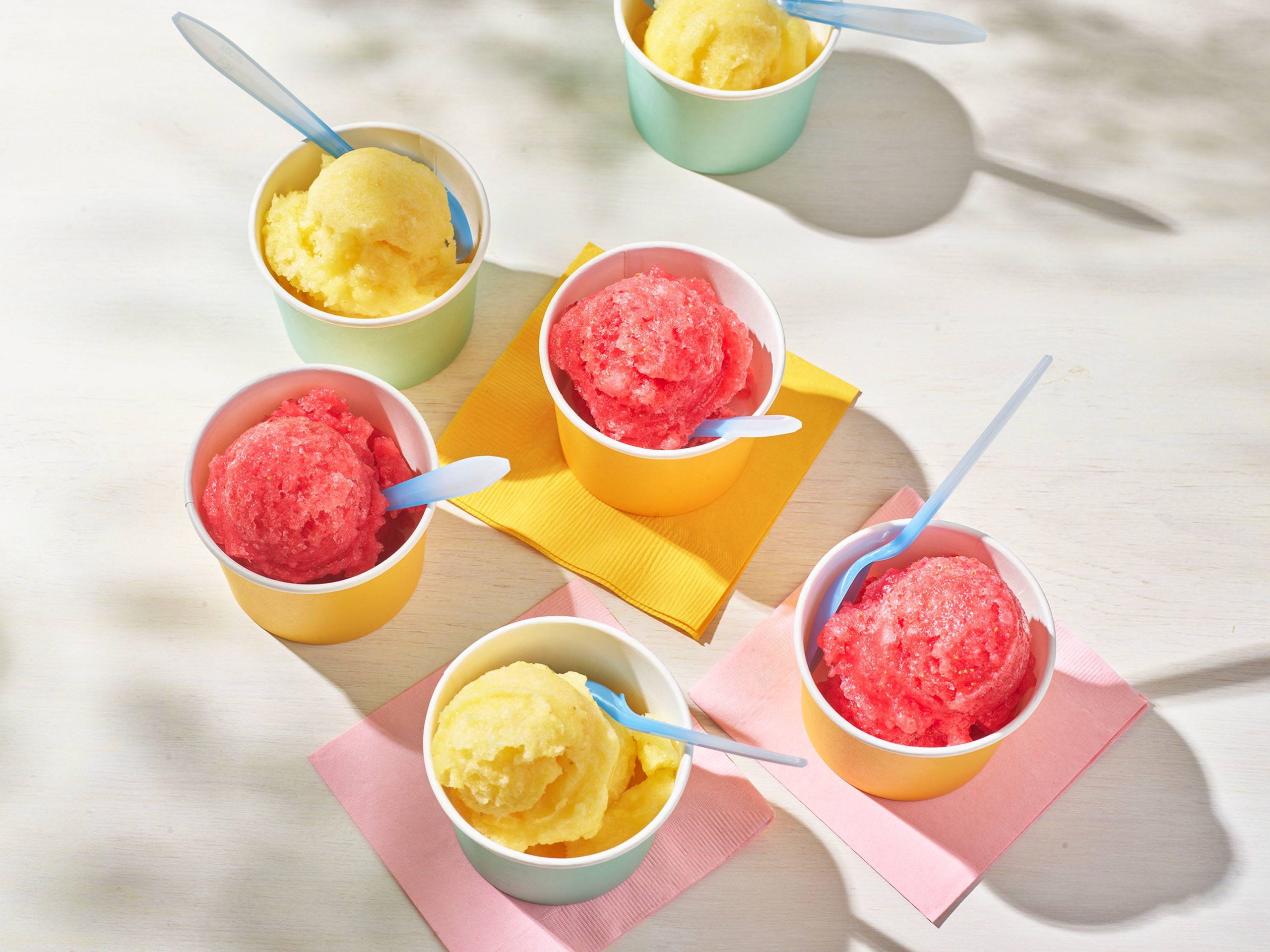
Italian Ice (Gelato-Style Frozen Dessert)
A creamy, refreshing frozen dessert inspired by Italian gelato, made with a mix of fruit puree and condensed milk. Perfect for hot days!
🥘Ingredients
- 2 cups heavy cream
- 1 cup whole milk
- 1 cup granulated sugar
- 1 tsp vanilla extract
- 2 cups mixed frozen fruit (e.g., strawberries, mango, pineapple)
- 1 cup water
- 1 tbsp cornstarch (to thicken)
- 1/2 tsp salt
👨🍳Directions
-
1
Blend the frozen fruit with water until smooth. Strain if desired for a smoother texture. -
2
In a separate bowl, whisk heavy cream, milk, sugar, vanilla, cornstarch (if using), and salt until sugar dissolves. -
3
Pour the fruit puree into the cream mixture and blend until well combined. Taste and adjust sweetness if needed. -
4
Pour the mixture into an ice cream maker and churn according to the manufacturer’s instructions. -
5
Transfer the gelato to a freezer-safe container and freeze for at least 4 hours before serving.
🔧Equipment
- Food processor or blender
- Mixing bowls
- Ice cream maker or freezer-safe container
- Whisk
📊Nutrition Facts (per serving)
📝Notes
- For a richer texture, use 1.5 cups heavy cream instead of 2 cups.
- Add a splash of citrus juice (e.g., lemon or lime) for extra flavor.
- Ensure the fruit is well blended to avoid ice crystals in the dessert.
Watch Video Of How Italian Ice (Gelato-Style Frozen Dessert) Works
❓ Frequently Asked Questions About Italian Ice (Gelato-Style Frozen Dessert)
What is the best way to prepare the classic Italian ice recipe for a creamy texture?
The best way to achieve a creamy texture in Italian ice (or gelato) is to use a high-quality Italian ice machine designed for gelato, which churns the mixture at low temperatures to incorporate air slowly. Start with a base of whole milk, heavy cream, and high-quality Italian gelato chocolate or fruit puree (like pistachio, hazelnut, or strawberry). Churn at –18°C (0°F) or lower for 10–15 minutes, then add a small amount of sugar or sweetener (if needed) and mix again. Avoid over-churning to prevent a grainy texture. For extra richness, add vanilla extract or a splash of liqueur (like amaretto or rum) before freezing.
—
How can I make a homemade Italian ice without a machine?
You can make a simple homemade version using a blender and a deep freezer, though it won’t be as smooth as store-bought gelato. Mix 2 cups heavy cream, 1 cup whole milk, 1 cup sugar (or sweetener), and 1 tsp vanilla extract (adjust sugar to taste). Blend until smooth, then pour into a shallow container and freeze for 4–6 hours, stirring every 30 minutes with a fork to break up ice crystals. For a firmer texture, let it sit in the freezer for 8+ hours. Add chocolate chips, crushed nuts, or fruit before freezing for flavor. Note: this will be closer to sorbet-like consistency.
—
Why does my homemade Italian ice taste bland or watery?
Bland or watery homemade Italian ice often happens due to inexperienced ratios, insufficient sweetness, or weak flavor extraction. Check these key factors:
– Liquid-to-solid ratio: Use 1:1 cream-to-milk (or more cream for richness) and sugar should be 30–40% of the total weight (e.g., 1 cup sugar per 2 cups cream/milk). Too little sugar makes it taste weak.
– Flavor concentration: If using fruit puree, strain out seeds/pulp for a smoother taste. For chocolate, use dark chocolate (70%+ cocoa) and melt it fully before mixing.
– Churning time: If you’re not using a machine, freezing in layers (like sorbet) helps distribute flavor better than a single batch.
– Acidity balance: A pinch of citric acid or lemon zest can enhance sweetness perception.
—
Can I substitute common ingredients in the Italian ice recipe?
Yes, but substitutions should maintain the creaminess and balance of the classic formula. Here are adjustments:
– Milk/cream swap: Replace whole milk with coconut milk (full-fat) or evaporated milk for a richer base, but reduce sugar slightly (coconut milk is naturally sweeter). Avoid skim milk—it makes the gelato watery.
– Sugar alternative: Use honey, maple syrup, or coconut sugar (reduce by 10–20% since they’re sweeter). For vegan gelato, blend coconut cream + agave syrup and freeze.
– Chocolate swap: Use white chocolate (for a sweeter, milder taste) or matcha powder (for green gelato). For nut-based gelato, blend roasted hazelnuts or pistachios with coconut cream.
– Flavor boosters:
– Cinnamon + orange zest (classic gelato al cioccolato e agrumi).
– Espresso powder (1 tsp per cup for coffee gelato).
– Mashed banana or pumpkin puree (for a dessert-like twist).
—
How do it serve Italian ice properly to ensure it stays creamy and not icy?
Serving Italian ice correctly is key to avoiding a crunchy, icy texture. Follow these steps:
1. Pre-chill your serving tools: Use ice cream scoops, glasses, or a chafing dish pre-cooled to –18°C (0°F). Warm tools (like plastic spoons) can melt the gelato faster.
2. Serve immediately: Deliver gelato within 10–15 minutes of scooping to prevent recrystallization. If storing, keep it in an insulated container with ice packs (not direct ice).
3. Scoop slowly: Use a wide, shallow scoop to distribute the gelato evenly. Avoid overloading glasses to prevent rapid freezing.
4. Add toppings strategically: Place toppings (like sprinkles, syrup, or whipped cream) after serving to avoid sogginess. For drizzling, use a thin, steady stream from a squeeze bottle.
5. Warm the glass slightly: If serving from a cold glass, warm it with hot water for 30 seconds before adding gelato—this helps retain creaminess.
6. Avoid direct sunlight: Gelato melts faster in heat, so serve in a shaded or insulated setting if possible.


