
broth beef recipe

The Best broth beef recipe
This recipe isn’t just for special occasions. It’s for lazy Sundays, for when you’re cooking a big meal and want something easy to make ahead, for when you’re nursing a cold and need something that’ll soothe your throat. My family loves it because it’s versatile—pour it over rice for a quick stir-fry, use it in soups, or just sip it straight from the pot. And the health benefits? Oh, it’s like nature’s multivitamin. The collagen in the broth supports joints and skin, the amino acids help with digestion, and the minerals from the bones give your body what it needs without any added junk. It’s the kind of thing that makes you feel like you’re doing something good for everyone, even if you’re just making it for yourself. And honestly? It’s one of those recipes that never fails, no matter how many times you make it.
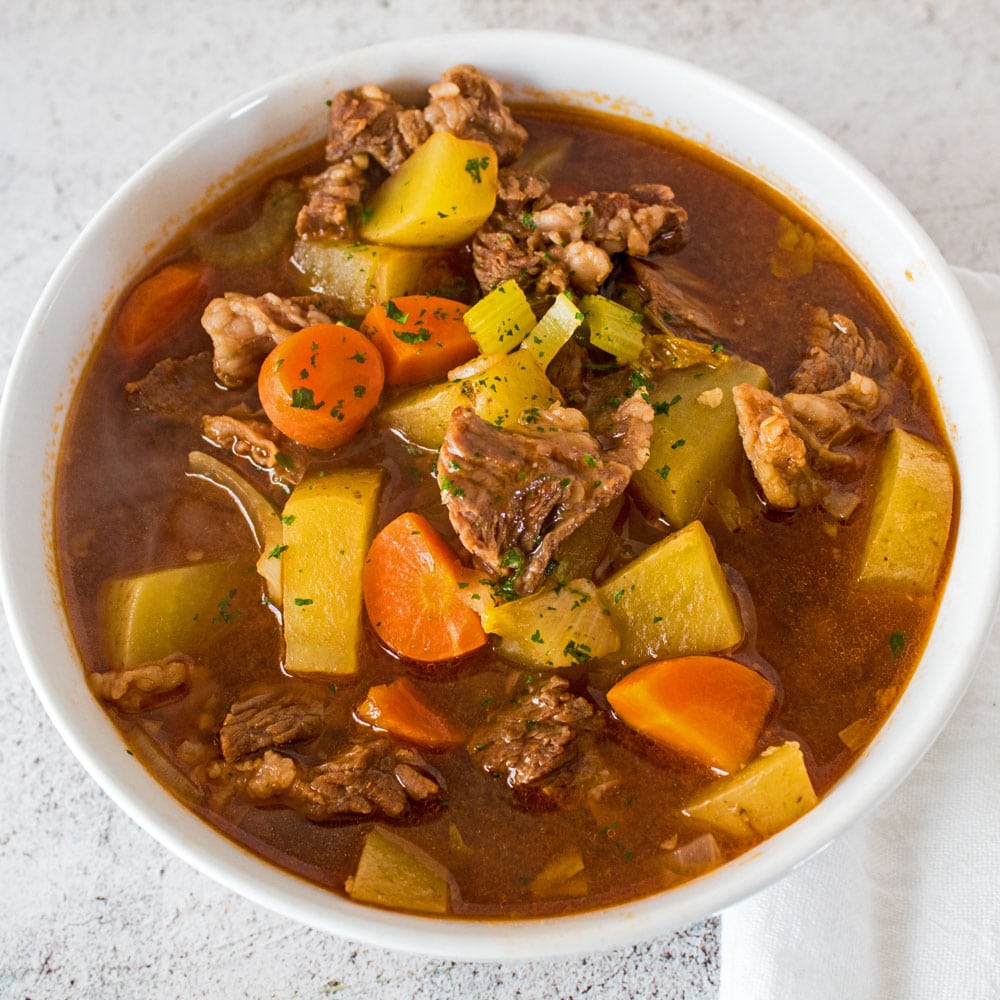
Slow-Cooked Beef Broth
A rich, flavorful beef broth made with tender beef, aromatic vegetables, and herbs, perfect for soups, stews, or cooking grains. This recipe is a must-try for any occasion.
🥘Ingredients
- 4 lbs beef chuck roast or stew meat
- 1 large onion, roughly chopped
- 4 carrots, peeled and chopped
- 4 celery stalks, chopped
- 6 garlic cloves, peeled
- 1 bay leaf
- 1 tsp black peppercorns
- 1 tbsp whole black peppercorns (optional)
- 1 tbsp salt (adjust to taste)
- 8 cups water or beef broth
- 2 tbsp tomato paste
- 1 tbsp Worcestershire sauce
- 1 tsp dried thyme
- 1 tsp dried rosemary
- 1 tsp dried parsley
- 1 cup red wine (optional)
- Fresh parsley, chopped
- Black pepper
- Fresh thyme sprigs
👨🍳Directions
-
1
In a large stockpot, combine beef, onion, carrots, celery, garlic, bay leaf, black peppercorns, and salt. Add water or beef broth, tomato paste, Worcestershire sauce, thyme, rosemary, and parsley. Stir well to coat the beef. -
2
Bring the mixture to a boil over high heat. Once boiling, reduce heat to low, cover, and let it simmer gently for 2 hours. -
3
After 2 hours, remove the beef with a slotted spoon, discarding any excess fat if needed. Return the beef to the pot and add red wine (if using). Simmer for another 1 hour, or until the beef is tender and easily shreds with a fork. -
4
Strain the broth through a fine-mesh sieve or cheesecloth to remove solids. Discard the solids or save for another use. Return the broth to the pot and simmer for another 15 minutes to thicken slightly. -
5
Remove the bay leaf and adjust the seasoning with salt and pepper if needed. Pour the broth into clean containers and refrigerate for up to 5 days or freeze for up to 3 months.
🔧Equipment
- Large stockpot or Dutch oven
- Wooden spoon or tongs
- Measuring cups and spoons
- Knife and cutting board
- Slotted spoon
📊Nutrition Facts (per serving)
📝Notes
- For extra depth of flavor, add a splash of red wine or a bay leaf while simmering.
- Use the beef and vegetables for another recipe after making the broth.
- For a lighter broth, reduce the salt and use low-sodium broth.
- This broth is excellent for making soups, risotto, or braising dishes.
Watch Video Of How Slow-Cooked Beef Broth Works
❓ Frequently Asked Questions About Slow-Cooked Beef Broth
1. What is the best way to prepare a rich and flavorful beef broth for making beef stew or soup?
To make an excellent beef broth, start by using high-quality beef bones (such as knuckle, shank, or marrow bones) and a whole beef carcass if possible. Brown the bones thoroughly in a large pot before adding water, aromatics (onions, carrots, celery, garlic, and bay leaves), and herbs (thyme, rosemary). Simmer for at least 8–12 hours to extract maximum flavor and collagen. Strain the broth, then reduce it slightly if you prefer a deeper, more concentrated taste.
2. How long should I simmer the beef broth to ensure it’s rich and flavorful?
For the best results, simmer the broth for at least 8 hours, preferably 12–24 hours if possible. The longer it simmers, the more gelatin and collagen dissolve, resulting in a thicker, more flavorful broth. If you’re short on time, at least 6 hours will yield a good base, but longer simmering enhances depth.
3. What ingredients should I avoid when making beef broth for stews or soups?
Avoid using salt too early in the process—let the broth develop natural flavors first. Also, skip pre-made broth powders or bouillon cubes, as they can overpower the taste. Overcooking the meat can make the broth bitter, so avoid letting it boil vigorously. Additionally, don’t add too many spices or herbs early on; let them infuse naturally for the best results.
4. Can I use chicken or pork bones instead of beef bones for a beef broth?
While chicken or pork bones can add some beef-like depth, they won’t replicate the rich, gelatinous texture of beef broth. For the best results, always use beef bones (preferably marrow or knuckle bones) to maximize collagen and umami flavor. If you must substitute, a mix of beef and pork bones can work, but it won’t be as rich as pure beef.
5. How can I enhance the flavor of a basic beef broth without adding extra ingredients?
To deepen the flavor naturally, use bone marrow (if available) for extra richness. Add a splash of white wine or beer during the last 30 minutes of simmering for a subtle acidity and depth. A pinch of black peppercorns or a bay leaf left in for the final 30 minutes can also add complexity. Finally, let the broth cool slightly before straining to remove any fat or impurities for a cleaner taste.

