
peasant bread recipe

The Best peasant bread recipe
This bread is perfect for any occasion, whether it’s a cozy Sunday dinner or a casual family gathering. It’s sturdy enough to stand up to sandwiches, toast, or just a simple slice with a drizzle of honey. My husband always says it’s the kind of bread that doesn’t demand attention but still makes everything taste better when it’s around. And the health benefits? Well, it’s made with whole grains and natural ingredients, so it’s got fiber and nutrients without being heavy or processed. It’s the kind of bread that lets you eat real food without feeling like you’re missing out on anything. Plus, it’s foolproof—even if you’re not the best baker, this recipe gives you a reliable way to make something delicious every time. It’s the kind of bread that makes you feel like you’re doing something good for your family and your health all at the same time.
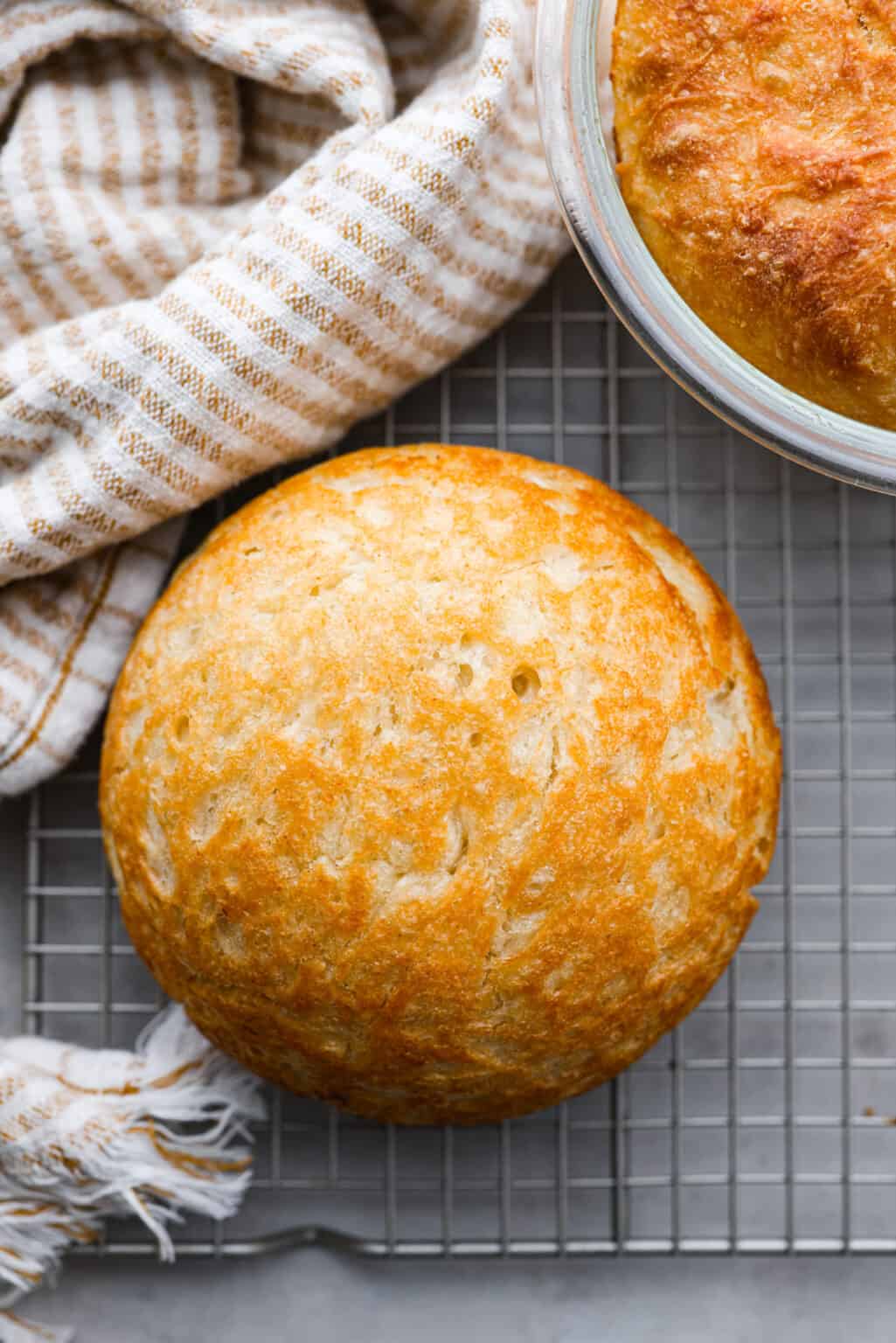
Classic Peasant Bread
A simple, rustic bread made with basic ingredients, perfect for a hearty meal. Traditional and easy to prepare with minimal effort.
🥘Ingredients
- 3 cups all-purpose flour
- 1 tsp salt
- 1 packet (2 1/4 tsp) active dry yeast
- 1 1/2 cups warm water
- 1 tbsp olive oil
- 1/2 cup chopped fresh rosemary or parsley
- 1/2 cup grated Parmesan cheese
👨🍳Directions
-
1
In a large bowl, dissolve yeast in warm water and let it sit for 5 minutes until foamy. -
2
In another bowl, combine flour and salt. Gradually add the yeast mixture and olive oil, mixing until a shaggy dough forms. -
3
Knead the dough on a lightly floured surface for about 8-10 minutes until smooth and elastic. -
4
Place dough in a lightly oiled bowl, cover with a damp towel, and let rise in a warm place for 1-2 hours, or until doubled in size. -
5
Preheat oven to 375°F (190°C). Punch down the dough and shape it into a round loaf on a baking tray lined with parchment paper. -
6
Optional: Sprinkle fresh herbs or grated cheese on top. Let the dough rest for 10 minutes before baking. -
7
Bake for 30-35 minutes, or until the bread is golden brown and sounds hollow when tapped on the bottom.
🔧Equipment
- Mixing bowls
- Kitchen scale (optional but helpful)
- Oven
- Baking tray
- Dough whisk or wooden spoon
- Clean kitchen towel or dough proofing bag
📊Nutrition Facts (per serving)
📝Notes
Tips
- For a quicker rise, use instant yeast instead of active dry yeast.
- Ensure your water is warm (not hot) to activate the yeast properly.
- If the dough is too sticky, add a bit more flour, but avoid overdoing it to maintain elasticity.
- Store leftover bread in an airtight container to keep it fresh for up to 3 days.
Variations
- Add a pinch of nutmeg or cinnamon for a sweet twist.
- Use whole wheat flour for a healthier version.
Watch Video Of How Classic Peasant Bread Works
❓ Frequently Asked Questions About Peasant Bread
What is the key difference between traditional peasant bread and other types of bread?
Peasant bread is typically made with whole grains like rye or wheat, sometimes mixed with barley or oats, and often includes a simple fermentation process with minimal yeast or no yeast at all. Unlike commercial white bread, it retains more fiber, nutrients, and a rustic texture. It’s also often baked in a clay oven, which gives it a distinct crust and flavor.
Why does peasant bread sometimes have a dense texture?
The dense texture in peasant bread comes from several factors: using whole grains (which have more fiber than refined flour), a slower fermentation process, and sometimes a higher hydration ratio. The lack of kneading or over-mixing preserves the natural structure of the grains, resulting in a heartier, less refined loaf compared to fluffy white bread.
Can I substitute ingredients if I don’t have whole grains like rye or barley?
Yes, you can adapt the recipe! If you don’t have rye, you can use a mix of whole wheat flour and bran for a similar rustic texture. For barley, finely grind it into a meal and blend it with the flour. Alternatively, you can use 100% whole wheat flour (like spelt or einkorn) for a slightly different but still wholesome result. The key is to keep the hydration high and fermentation time longer.
How long should I let the dough rise before baking?
For peasant bread, a longer fermentation time (12–24 hours) is ideal to develop deep flavors and a tender crumb. If you’re short on time, aim for at least 4–6 hours in a warm place. Cold fermentation (overnight in the fridge) can also enhance the taste, but the loaf may rise slightly less. Overproofing can make the bread too soft, so monitor it carefully.
What’s the best way to store peasant bread to keep it fresh longer?
Store peasant bread in a cool, dry place wrapped in a cloth or placed in a bread box. To extend freshness, you can also freeze it: slice it, wrap each slice tightly in plastic, and store them in a freezer bag for up to 3 months. To reheat, toast it in a toaster or warm oven for 5–10 minutes. The crust will firm up slightly, but the inside stays soft.
