
kouign amann recipe

The Best kouign amann recipe
This pastry isn’t just a dessert—it’s a conversation starter, a party staple, and honestly, a great way to enjoy something indulgent without feeling guilty afterward. My family loves it for holidays, birthdays, or just because. It’s that kind of recipe that makes you feel like you’re doing something special, even if you’re just making it for your own kitchen. And the best part? It’s not overly complicated—just a few key ingredients that come together in a way that feels like magic. Plus, it’s got a little something for everyone, whether you’re a sweet tooth or just someone who enjoys a good caramel flavor. It’s that kind of dessert that makes you feel like you’re treating yourself, but in a way that’s still wholesome and satisfying. And don’t even get me started on the health perks—well, not too many, but it’s got real butter and sugar in a way that’s more balanced than most desserts. It’s not some processed junk, so you can enjoy it without worrying too much about the consequences. Plus, it’s got that little crunch and warmth that makes it feel like a little comfort in every bite.
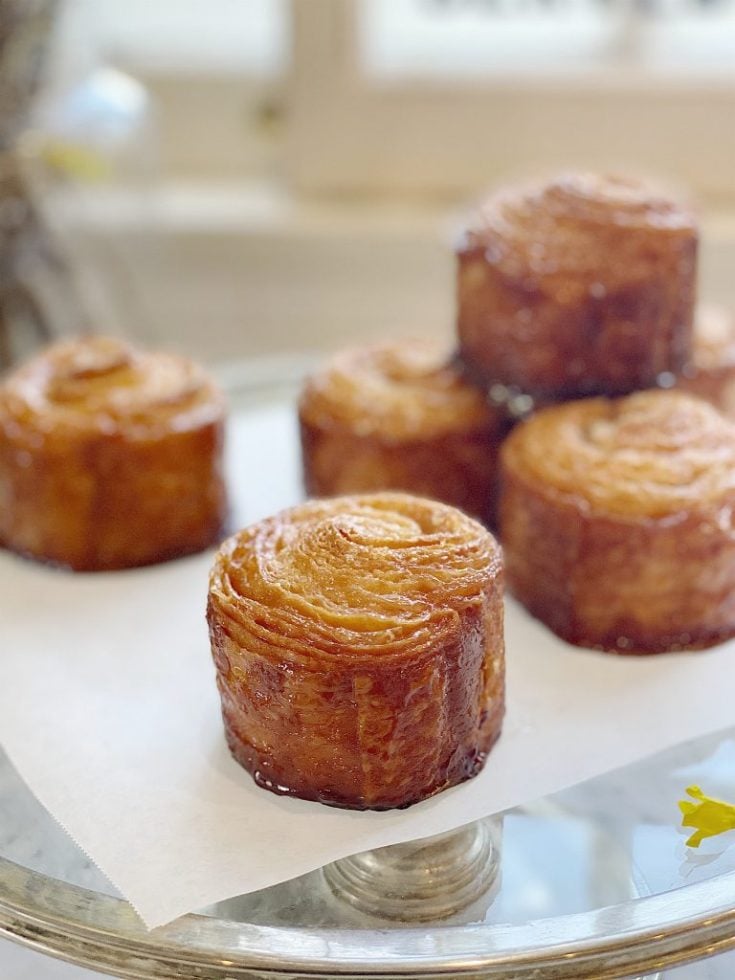
Kouign‑Amann (French Caramelized Pastry)
A buttery, caramelized French pastry with layers of crispy dough and gooey caramel, originating from Brittany. Rich, sweet, and slightly salty, it’s perfect for breakfast or dessert.
🥘Ingredients
- 2 cups all-purpose flour
- 1 tsp salt
- 1 tsp sugar
- 1/2 tsp baking powder
- 1/2 cup unsalted butter (softened)
- 1 large egg
- 1 tbsp milk
- 1 cup granulated sugar
- 1/2 cup water
- 1/4 cup unsalted butter (cold)
- 1/4 cup heavy cream
- 1 tsp vanilla extract
👨🍳Directions
-
1
Preheat oven to 375°F (190°C). Line a baking sheet with parchment paper. -
2
For the dough: In a bowl, whisk flour, salt, sugar, and baking powder. Add softened butter and mix until crumbly. Stir in egg and milk until a dough forms. Chill for 30 minutes. -
3
For the caramel: In a saucepan, melt sugar and water over medium heat until golden amber. Remove from heat, stir in cold butter until smooth. Cool slightly, then add heavy cream and vanilla. Set aside. -
4
Roll chilled dough into a 1/4-inch thick rectangle. Brush lightly with caramel. Roll again to coat evenly. -
5
Cut into 1-inch squares. Arrange on the baking sheet, leaving space between pieces. Bake for 25–30 minutes until golden brown.
🔧Equipment
- Mixing bowls
- Rolling pin
- Pastry brush
- Cutting board
- Oven-safe baking sheet
- Parchment paper
- Knife
- Pastry bag (or ziplock bag with a corner cut off)
📊Nutrition Facts (per serving)
📝Notes
Tips
- For extra crispiness, brush the caramel layer with a little egg wash before baking.
- Use a pastry bag for precise caramel application. If unavailable, use a ziplock bag.
- Let the pastry cool slightly before slicing to prevent crumbling.
Adaptations
- Substitute butter with coconut oil for a dairy-free version.
- Add a pinch of cinnamon to the dough for a spiced twist.
Watch Video Of How Kouign‑Amann (French Caramelized Pastry) Works
❓ Frequently Asked Questions About Kouign‑Amann (French Caramelized Pastry)
1. What is the traditional kouign-amann recipe, and what are its key ingredients?
The traditional kouign-amann is a beloved French pastry from Brittany, known for its crispy, buttery layers and caramelized golden-brown crust. The classic recipe includes flour, butter, sugar, and eggs, with a key technique of baking it in a hot oven to create a crispy, flaky exterior while keeping the inside soft and slightly gooey. Some versions also include a touch of cinnamon or vanilla for extra flavor.
—
2. Why does the kouign-amann have multiple layers, and how do you achieve the right texture?
The layered structure of the kouign-amann comes from folding the dough multiple times between layers of butter, which creates a flaky, airy texture. The key to achieving the right texture is using cold butter (not melted) when folding, as this prevents the layers from sticking together. Additionally, baking it in a hot oven (around 400°F/200°C) helps the butter melt slightly on the outside, creating that signature crispy shell while keeping the inside tender.
—
3. Can I substitute any ingredients in the kouign-amann recipe, and what are the best alternatives?
While the traditional recipe calls for all-purpose flour, unsalted butter, and granulated sugar, you can make substitutions with caution:
– Butter: Use European-style butter (higher fat content) for better flavor and texture. Avoid margarine, as it lacks richness.
– Flour: All-purpose works best, but for extra crispiness, some bakers use half all-purpose and half bread flour.
– Sugar: White granulated sugar is ideal, but you can use coconut sugar or brown sugar (for a caramelized effect), though the texture may differ slightly.
– Eggs: The recipe typically uses egg yolks only for richness, but some add a whole egg for moisture. Adjust baking time if substituting.
– Salt: Traditional recipes omit salt, but adding a pinch enhances flavor.
—
4. How do I prevent the kouign-amann from becoming too dense or dry?
To keep your kouign-amann moist and tender, follow these tips:
– Chill the dough before baking—this helps the butter stay cold and creates better layers.
– Use enough butter—traditionally, the dough is made with about 1:1.5 flour-to-butter ratio by weight for optimal flakiness.
– Bake at high heat—a 400°F (200°C) oven ensures the outside crisps while the inside stays soft.
– Do not overbake—check at 15–20 minutes (depending on size) and remove if the top is golden but the center is still slightly soft.
– Store properly: Keep in an airtight container at room temperature for up to 3 days or refrigerate for longer storage (though it may dry out faster).
—
5. Why does my kouign-amann turn out gummy or sticky inside, and how can I fix it?
A gummy or sticky kouign-amann usually happens due to overmixing, insufficient butter, or baking at too low a temperature. Here’s how to fix it:
– Check butter quantity: If the dough feels too dry or sticky, you may need more butter (traditional recipes use ~150g butter per 200g flour).
– Fold correctly: Ensure you’re folding the dough properly (not too many times) to avoid overworking it. The butter should be visible but not melted before baking.
– Bake at the right temperature: If your oven is too cool, the butter won’t crisp properly. Try 425°F (220°C) for the first 10 minutes to help the top brown quickly.
– Use egg yolks only: Adding whole eggs can make the texture heavier. Stick to just yolks for a lighter, airier result.
– Let it cool slightly: If it’s still warm, it may seem sticky, but it will firm up as it cools. Avoid cutting it too soon.

