
pizza dough recipe food

The Best pizza dough recipe food
What I appreciate most about this recipe is how straightforward it is. No fancy ingredients or complicated steps—just flour, water, yeast, salt, and a little olive oil. It’s also a great way to control what goes into your food, especially if you’re mindful of processed ingredients. Whole wheat flour works just as well if you want a little extra fiber, and you can adjust the hydration to make it lighter or denser depending on your preference. Plus, homemade dough has way less sodium than store-bought, which is a win for anyone watching their intake. It’s one of those recipes that feels like a treat but is actually pretty wholesome, and that’s exactly why it’s a staple in my kitchen.
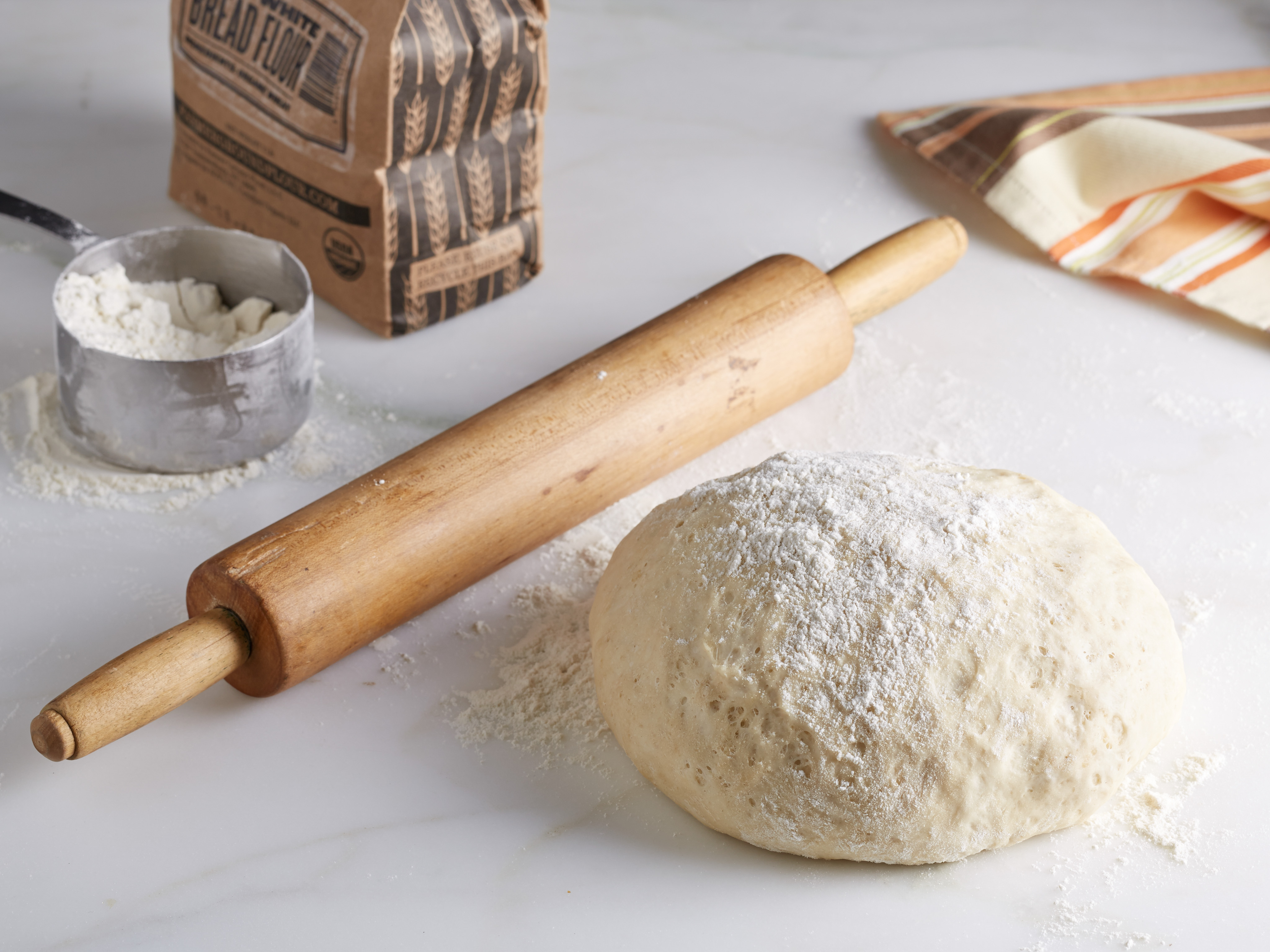
Classic Homemade Pizza Dough
A simple and delicious pizza dough recipe that yields a crispy yet chewy crust. Perfect for homemade pizzas with your favorite toppings, this dough is easy to make and customizable for any taste.
🥘Ingredients
- 3 1/2 to 4 cups all-purpose flour (plus extra for dusting)
- 1 teaspoon salt
- 1 teaspoon sugar
- 1 packet (2 1/4 teaspoons) active dry yeast
- 1 1/3 cups warm water (about 110°F)
- 2 tablespoons olive oil
- 1 cup tomato sauce or crushed tomatoes
- 2 cloves garlic, minced
- 1 teaspoon dried oregano
- 1 teaspoon dried basil
- Salt and pepper to taste
- 1 tablespoon olive oil
👨🍳Directions
-
1
In a small bowl, dissolve the sugar in warm water. Sprinkle the yeast over the water and let it sit for 5-10 minutes until foamy. -
2
In a large mixing bowl, combine 3 1/2 cups of flour and salt. Make a well in the center and pour in the yeast mixture and olive oil. -
3
Stir with a wooden spoon until a shaggy dough forms. If the dough is too sticky, add more flour, 1 tablespoon at a time. -
4
Turn the dough onto a lightly floured surface and knead for 5-7 minutes until smooth and elastic. Alternatively, use a stand mixer with a dough hook for 5 minutes. -
5
Place the dough in a lightly oiled bowl, cover with a clean towel or plastic wrap, and let it rise in a warm place for 1-2 hours, or until doubled in size. -
6
Preheat your oven to 475°F (245°C). If using a pizza stone, place it in the oven while preheating. -
7
Punch down the risen dough and divide it into 4 equal portions. Roll each portion into a ball and let them rest for 10 minutes. -
8
On a lightly floured surface, roll out each dough ball into a 12-inch circle (or your desired thickness). Transfer to a baking sheet or pizza peel dusted with cornmeal. -
9
Add your favorite sauce, cheese, and toppings. Bake for 10-15 minutes, or until the crust is golden and the cheese is bubbly. -
10
Remove from the oven, let cool for 2-3 minutes, slice, and serve.
🔧Equipment
- Large mixing bowl
- Measuring cups and spoons
- Wooden spoon or dough whisk
- Clean kitchen towel or plastic wrap
- Baking sheet or pizza stone
- Rolling pin (optional)
- Oven
📊Nutrition Facts (per serving)
📝Notes
Watch Video Of How Classic Homemade Pizza Dough Works
❓ Frequently Asked Questions About Pizza Dough
1. Why did my pizza dough not rise properly?
Several factors can affect dough rising, including yeast that’s expired or not activated properly, insufficient warmth (ideal temperature is 75–85°F or 24–29°C), or too much salt, which can inhibit yeast activity. Ensure your yeast is fresh, dissolve it in warm water with a pinch of sugar to activate it, and let the dough rise in a warm, draft-free environment.
2. Can I make pizza dough ahead of time?
Yes! You can prepare pizza dough in advance to save time. After the first rise, punch down the dough, divide it into portions, and refrigerate for up to 3 days or freeze for up to 3 months. Thaw frozen dough in the fridge overnight before using, and let refrigerated dough come to room temperature for about 1–2 hours before shaping.
3. What’s the best flour for pizza dough?
Bread flour or Tipo 00 flour are ideal for pizza dough because they have higher protein content, which creates a chewier, crispier crust. All-purpose flour works too but may result in a slightly softer texture. For a gluten-free option, use a high-quality gluten-free flour blend designed for bread or pizza.
4. How do I prevent my pizza dough from sticking to the peel or pan?
To prevent sticking, generously dust your work surface, peel, or pan with flour (semolina or cornmeal works especially well for a crispier texture). Avoid using too much oil, as it can make the dough greasy. If the dough still sticks, gently lift it with a spatula and re-dust the surface.
5. Why is my pizza dough tough instead of soft and elastic?
Over-kneading or adding too much flour can make dough tough. Knead just until the dough is smooth and elastic (about 8–10 minutes by hand). If using a stand mixer, stop once the dough pulls away from the bowl. Additionally, letting the dough rest for 10–15 minutes after kneading (called “bench rest”) can improve elasticity.


