
sourdough discard bread recipe

The Best sourdough discard bread recipe
This bread is perfect for any occasion, whether you’re serving it at a family dinner or just grabbing a slice for breakfast. It holds up well in the fridge, so you can make a batch ahead and have it ready whenever you need it. The health benefits are another reason I’m always reaching for it—it’s packed with probiotics from the sourdough starter, which supports gut health, and it’s naturally gluten-free if you’re avoiding gluten, though it’s still great for those who eat gluten regularly. My husband loves it toasted with butter and jam, and my kids swear by it as a sandwich bread, especially with peanut butter and banana. It’s that kind of bread that feels like a daily ritual, something you can enjoy without feeling like you’re missing out on anything fancy. Plus, it’s so forgiving—even if you don’t have a perfect starter, a little discard works just fine. It’s the kind of recipe that feels like a no-brainer, but it still feels like a little celebration in the kitchen.
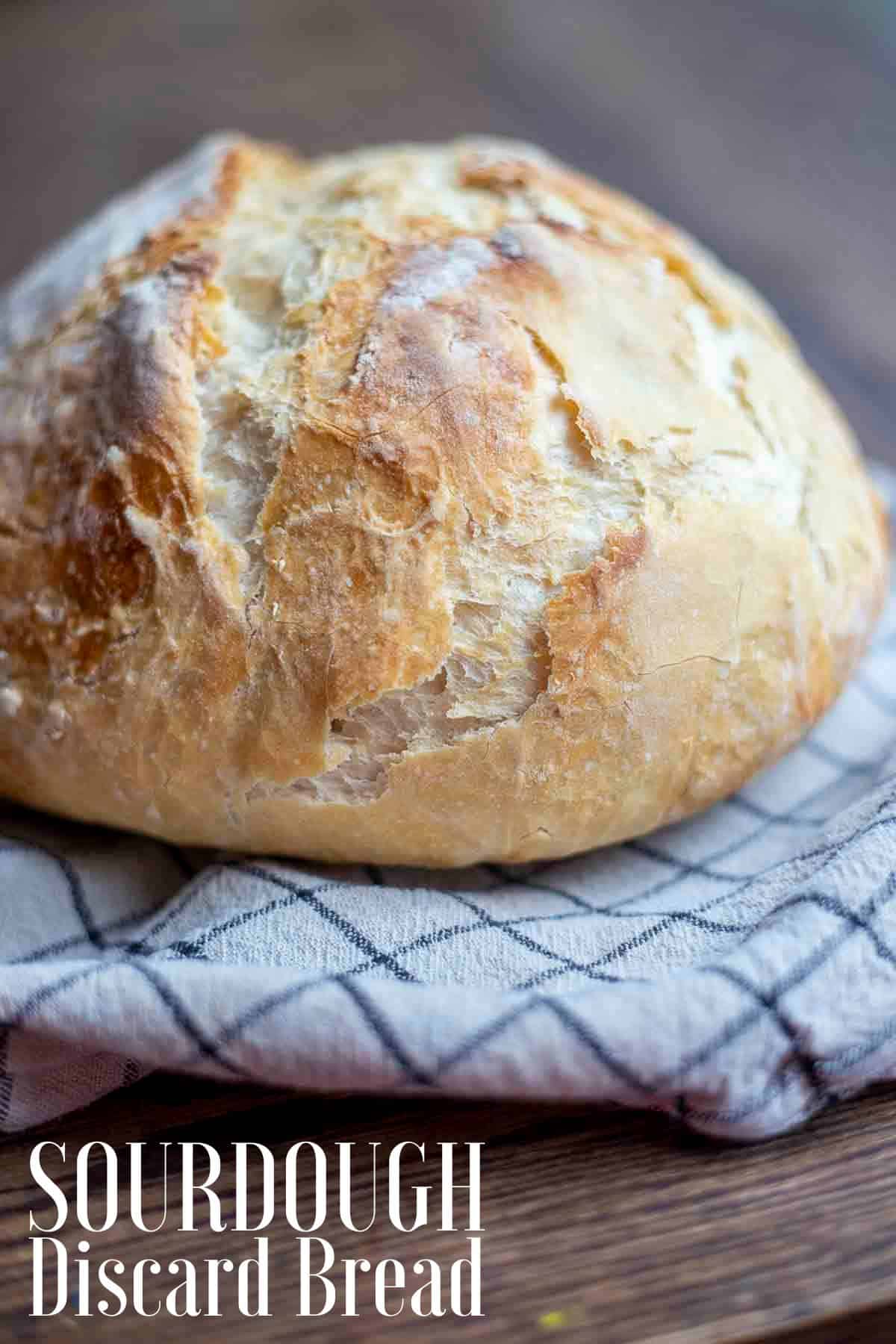
Easy Sourdough Discard Bread
A simple and delicious bread made using leftover sourdough discard, perfect for utilizing unused starter. Light, fluffy, and slightly tangy.
🥘Ingredients
- 1 cup (125g) active sourdough discard (unfed)
- 3 cups (360g) all-purpose flour or bread flour
- 1 tsp salt
- 1 tsp sugar (optional, for activation)
- 1/2 tsp instant yeast (optional, for extra rise)
- 1 tbsp olive oil or melted butter
- 1 tbsp olive oil or melted butter (for greasing)
👨🍳Directions
-
1
Preheat oven to 375°F (190°C). Line a baking sheet with parchment paper. -
2
In a large bowl, combine sourdough discard, flour, salt, sugar (if using), and instant yeast (if using). Mix until a shaggy dough forms. -
3
Knead the dough for about 5 minutes by hand or use a stand mixer with a dough hook until smooth and elastic. Add a little more flour if too sticky. -
4
Place dough in a lightly oiled bowl, cover with a damp towel, and let rise at room temperature for 1-2 hours, or until doubled in size. -
5
Shape the dough into a loose round or oval, place it in a lightly oiled banneton or a lined bowl, cover, and let rise again for 30-60 minutes. -
6
Preheat oven to 425°F (220°C). Brush the shaped dough lightly with olive oil or melted butter. Bake for 25-30 minutes until golden brown and the internal temperature reaches 190°F (88°C).
🔧Equipment
- Mixing bowls (2)
- Whisk or wooden spoon
- Measuring cups and spoons
- Dough scraper
- Banneton (proofing basket) or a clean kitchen towel
- Baking sheet
- Oven
- Pastry brush (optional)
📊Nutrition Facts (per serving)
📝Notes
- For a healthier twist, replace half the all-purpose flour with whole wheat flour.
- If the dough is too sticky, add a bit more flour, but avoid overdoing it to maintain softness.
- Store in an airtight container at room temperature for up to 3 days or freeze for longer storage.
- For extra flavor, sprinkle a pinch of garlic powder or herbs like rosemary on top before baking.
Watch Video Of How Easy Sourdough Discard Bread Works
❓ Frequently Asked Questions About Sourdough Discard Bread
What is the best way to use sourdough discard in bread-making?
Sourdough discard can be used in various ways, but for bread, it’s best to mix it with flour, water, and a bit of salt. A common ratio is 1 part discard to 2 parts flour (e.g., 50g discard to 100g flour). For a simple discard bread, you can also add a small amount of honey, olive oil, or seeds to enhance flavor. The discard should be used within 24 hours of being active (if it’s a mix of discard and water) or within 48 hours if it’s just discard (if it’s not fed).
—
How long does it take to bake a sourdough discard bread?
A basic sourdough discard bread typically takes about 1.5 to 2 hours to bake, including:
– Mixing & kneading (10–15 minutes)
– First rise (1–2 hours, depending on temperature and discard activity)
– Second rise (optional, for bulk fermentation) (1–3 hours)
– Baking (15–20 minutes at 375°F/190°C)
If you skip the second rise, it’ll bake faster but may be denser. For best results, let it rise longer if possible.
—
Can I make discard bread without a stand mixer?
Absolutely! You can make discard bread by hand with minimal effort. Mix the discard, flour, and water in a large bowl, then knead by hand for 5–10 minutes until smooth and elastic. If the dough feels sticky, add a little more flour (just a pinch at a time). For a softer texture, you can also fold the dough instead of kneading it thoroughly.
—
How can I improve the flavor of plain discard bread?
Plain discard bread can be enhanced with simple additions:
– Sweetness: Add 1–2 tbsp honey, maple syrup, or sugar for a slightly sweet loaf.
– Fat: Mix in 1 tbsp melted butter or olive oil for richness.
– Herbs/seeds: Sprinkle rosemary, garlic powder, or seeds (sunflower, poppy) before shaping.
– Acidity: A pinch of citric acid or lemon zest balances the discard’s tang.
– Yeast (optional): If your discard is very weak, add ½ tsp instant yeast for a slightly leavened result.
—
Why does my discard bread turn out dense or flat, and how can I fix it?
Dense or flat discard bread usually happens due to these common issues:
1. Discard was too old – Use discard that’s active and bubbly (fed within 24–48 hours). If it’s sluggish, it won’t rise well.
2. Not enough hydration – If the dough is too dry, it won’t expand properly. Adjust with 1–2 tbsp water if needed.
3. Skipping fermentation – Discard bread benefits from at least a 1-hour rise (or overnight in the fridge for deeper flavor).
4. Cold kitchen – Warm the dough to room temperature before baking. If your kitchen is chilly, let the dough rise longer.
5. Underproofed dough – Overproofing makes bread gummy; aim for a gentle, slow rise (not too puffy).
For a lighter texture, try adding 1 tsp baking powder or letting it proof longer before baking.
