
balsamic vinegar recipe

The Best balsamic vinegar recipe
I also love how this recipe is perfect for both special occasions and regular meals. Whether you’re hosting a dinner party or just whipping up a quick lunch, balsamic vinegar adds a depth that elevates simple ingredients. My husband always says it’s the one thing that makes his steak feel gourmet, and honestly, it’s true. Plus, it’s not just about taste—it’s good for you too. The acetic acid in vinegar helps with digestion, and the antioxidants in aged balsamic give it some real health perks. It’s a no-fuss way to add something special to your plate without overcomplicating things. My kids might not always get why we’re making it from scratch, but they’re always happy when they get to taste the final result. It’s a little tradition, and I don’t think we’ll ever stop.
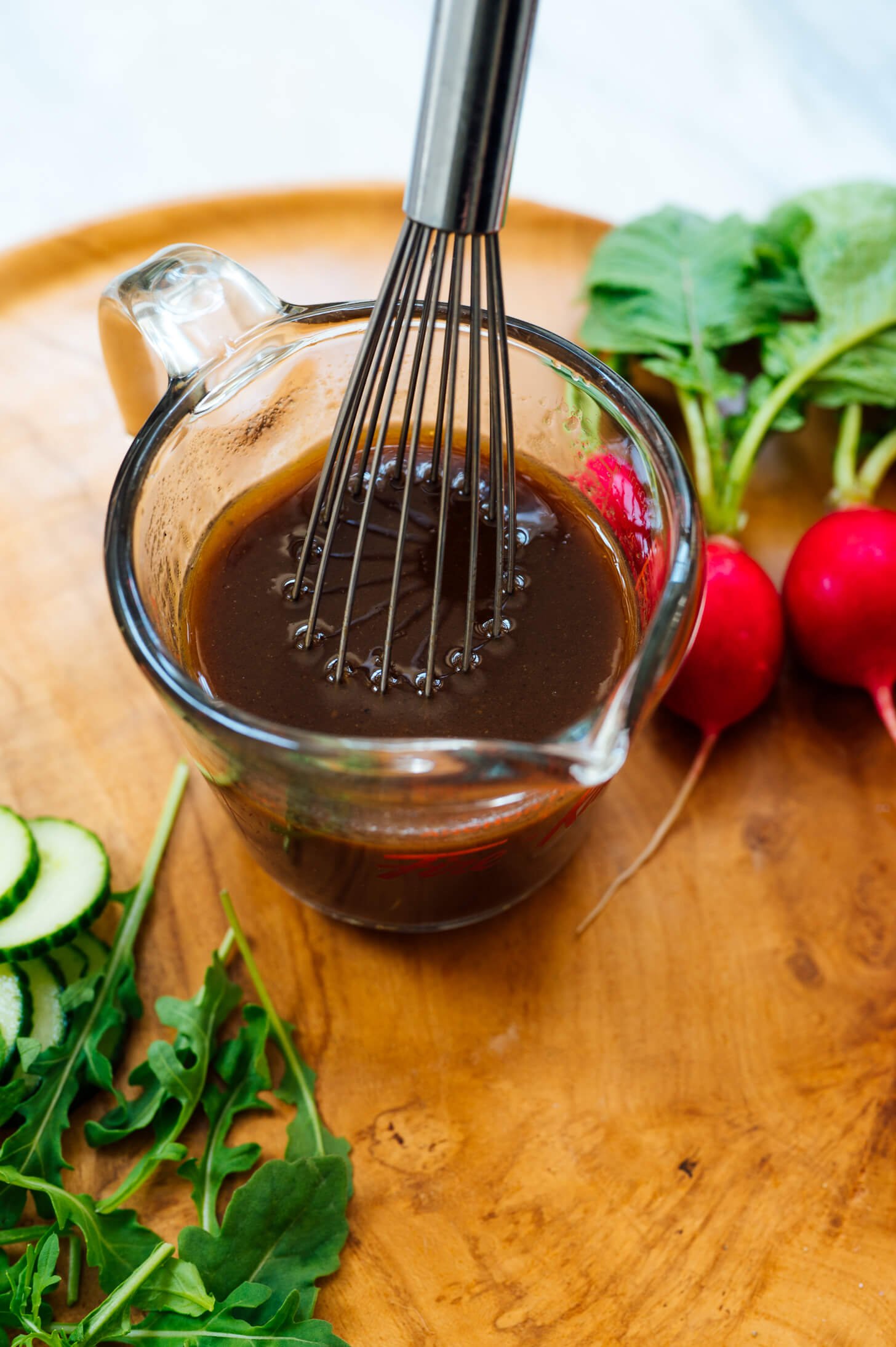
Homemade Balsamic Vinegar
A traditional Italian method to ferment and reduce balsamic vinegar using aged white grapes. This rich, tangy vinegar is perfect for dressings, marinades, and dipping sauces.
🥘Ingredients
- 1 kg (2.2 lbs) white grape must (unfermented grape juice)
- 1 cup (240 ml) water
- 1 tsp salt
- 1 kg (2.2 lbs) aged white grape must (preferably 2+ years)
- 1 cup (240 ml) balsamic vinegar (optional, for depth)
👨🍳Directions
-
1
In a large glass jar, mix grape must, water, and salt. Stir well to dissolve the salt. Cover with a fine mesh sieve or cheesecloth secured with a cloth or rubber band to allow airflow while preventing insects. -
2
Store the jar in a cool, dark place (e.g., cellar, pantry). Stir occasionally (every few days) to ensure even fermentation. Ferment for 6–12 months, depending on desired intensity. -
3
After fermentation, strain the liquid through a sieve into a clean container, pressing gently to extract all liquid. Discard the pulp. -
4
In a separate pot, gently heat the strained grape must over low heat until it reduces by half (about 10–15 mins). Cool quickly to room temperature. -
5
Transfer the reduced grape must to a clean glass bottle. Add 1 cup of aged balsamic vinegar (if using) for extra depth. Seal tightly and store in a cool, dark place for an additional 6–12 months to develop flavor.
🔧Equipment
- Large glass jar or container (1L)
- Fine mesh sieve or cheesecloth
- Airtight container (for aging)
- Wooden spoon or spatula
- Thermometer (optional, for temperature control)
📊Nutrition Facts (per serving)
📝Notes
Tips
- Use only high-quality white grape must for the best flavor. Avoid using red grape must, as it will impart a reddish hue.
- For a smoother texture, strain the vinegar through a fine sieve before bottling.
- Traditional balsamic vinegar ages for decades; shorter aging yields a milder flavor.
- Store in a cool, dark place away from direct sunlight to preserve flavor.
- Experiment with adding a pinch of cinnamon or vanilla extract during reduction for unique flavor variations.
Storage: Keep sealed in a cool, dark place. Once opened, refrigerate and use within 6 months for best quality.
Watch Video Of How Homemade Balsamic Vinegar Works
❓ Frequently Asked Questions About Balsamic Vinegar
What is the traditional method for making authentic balsamic vinegar?
The traditional method involves aging Aceto Balsamico di Modena (or Aceto Balsamico Tradizionale) in wooden barrels, primarily oak, for several years (minimum 12 years for aged versions). The process starts with a base of red wine vinegar (usually from local Modena grapes) mixed with grape must (unfermented grape juice) and wood shavings (oak or other hardwoods). The mixture is slowly fermented and aged in layers, with each barrel holding a different age, allowing the flavors to develop gradually. The final product is a rich, complex vinegar with deep caramel, raisin, and vanilla notes.
—
How long does it take to make homemade balsamic vinegar?
Homemade balsamic vinegar takes at least 12–24 months (though some recipes require longer for deeper flavor). The aging process is slow—typically done in wooden barrels (like oak or chestnut) stacked in layers, with each level representing a different aging period. The vinegar is periodically stirred, poured, and sometimes diluted with water to concentrate flavors. The longer it ages, the more complex and sweet it becomes.
—
Can I make balsamic vinegar without using wood barrels?
While traditional balsamic vinegar relies on wooden barrels for aging, you can make a simplified version without them using glass jars or stainless steel containers. The key steps remain:
1. Start with red wine vinegar + grape must (or just vinegar + sugar).
2. Add wood shavings (oak, chestnut, or even applewood) for flavor.
3. Seal tightly and agitate occasionally (simulating barrel rotation).
4. Refrigerate to slow fermentation (instead of room temp).
The result will be less complex but still flavorful—ideal for quick batches. For true authenticity, wooden aging is preferred.
—
What’s the difference between aged balsamic vinegar and regular vinegar in recipes?
Aged balsamic vinegar (like Aceto Balsamico Tradizionale) adds depth, sweetness, and umami due to long fermentation and wood aging. Regular vinegar (white, apple cider, or balsamic vinegar without aging) is tangier, sharper, and less complex. In recipes:
– Aged balsamic works best for dressings, marinades, glazes, and sauces (e.g., pasta, roasted veggies).
– Regular vinegar is better for pickling, vinaigrettes, or quick dressings where tanginess is prioritized.
For example, a simple salad dressing might use a mix of both to balance acidity and richness.
—
How do I store homemade balsamic vinegar to preserve its quality?
To keep homemade balsamic vinegar at its best:
1. Store in a cool, dark place (avoid direct sunlight or heat, which can degrade flavors).
2. Use airtight glass bottles (avoid plastic, which can leach flavors).
3. Refrigerate after opening to slow oxidation (it can last 1–2 years if properly stored).
4. Avoid shaking—let it sit undisturbed to prevent separation.
5. Check for mold (if you see growth, discard it—wood can harbor bacteria).
For long-term aging (like traditional balsamic), keep it in wooden barrels if possible, as the wood helps preserve the vinegar’s integrity.
