
miso uses recipe

The Best miso uses recipe
What I love most about miso is how it works in so many ways—whether you’re making a quick weeknight dinner or a showstopping dish for a family gathering. It’s the kind of flavor that doesn’t need much else to shine. For example, my miso glazed salmon is a go-to for Sunday dinners, and it’s always a hit with everyone, even the pickiest eaters. The kids swear by the way the miso caramelizes the fish, giving it that sweet-savory crunch. And if you’re serving it at a potluck or a holiday spread, it’s always a crowd-pleaser because it’s unexpected but easy to prepare. Plus, miso isn’t just about taste—it’s packed with probiotics, which are great for gut health, and it’s low in calories but high in protein and fiber, so it’s a smart choice for anyone watching their diet without feeling deprived. It’s that kind of balanced, nourishing ingredient that makes cooking feel like a little gift to your body.
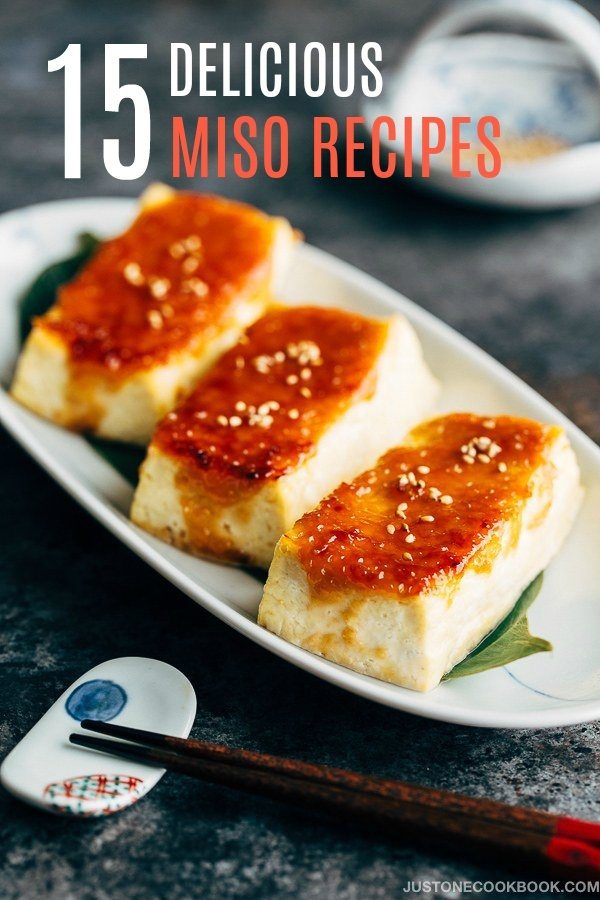
Miso-Glazed Salmon with Steamed Vegetables
A savory dish featuring salmon glazed with a rich miso sauce, paired with tender steamed vegetables for a balanced meal. This recipe is a must-try for any occasion.
🥘Ingredients
- 2 tbsp white miso paste
- 2 tbsp soy sauce
- 1 tbsp mirin
- 1 tbsp honey
- 1 tbsp grated ginger
- 2 cloves garlic, minced
- 1 tbsp vegetable oil
- 2 salmon fillets (about 6 oz each)
- 1 tsp sesame seeds
- 1 tsp toasted sesame oil
- 2 cups broccoli florets
- 1 cup baby carrots
- 1 cup snap peas
- 1 tbsp olive oil
- Salt and pepper to taste
👨🍳Directions
-
1
Preheat oven to 400°F (200°C). Line a baking sheet with parchment paper. -
2
In a small bowl, mix miso paste, soy sauce, mirin, honey, ginger, garlic, and vegetable oil to form the glaze. -
3
Pat salmon dry with a towel. Brush both sides with sesame oil, then sprinkle with sesame seeds. -
4
Place salmon on the prepared baking sheet. Pour half of the miso glaze over the salmon and let it sit for 5 minutes. -
5
Preheat a skillet over medium-high heat. Add olive oil and sauté broccoli, carrots, and snap peas for 4-5 minutes until tender-crisp. -
6
Bake salmon for 12-15 minutes until flaky and cooked through. Transfer salmon to a plate. -
7
Serve salmon with steamed vegetables drizzled with remaining miso glaze.
🔧Equipment
- Mixing bowl
- Salad spinner or towel
- Medium skillet or baking dish
- Steamer basket
- Mixing spoon
- Knife and cutting board
📊Nutrition Facts (per serving)
📝Notes
- For extra flavor, add a pinch of red pepper flakes to the miso glaze.
- Use firm tofu instead of salmon for a vegetarian option.
- Store leftovers in an airtight container for up to 3 days in the fridge.
Watch Video Of How Miso-Glazed Salmon with Steamed Vegetables Works
❓ Frequently Asked Questions About Miso-Glazed Salmon with Steamed Vegetables
1. What are the common types of miso paste used in cooking, and which one is best for soups like miso soup?
Miso paste comes in several varieties, each with distinct flavors and uses:
– White miso (soft, sweet, and mild) – Ideal for beginners and soups like miso soup.
– Red miso (fermented longer, salty, and bold) – Suitable for marinades, stews, or as a dipping sauce.
– Akashi miso (slightly sweeter, less salty) – A great middle ground for balanced flavors.
– Aka miso (black miso) – Stronger and darker, often used in hearty dishes like curries or braises.
For miso soup, white miso is the most traditional and versatile choice due to its mild sweetness and smooth texture.
—
2. How do I make a simple, authentic miso soup from scratch without any pre-made ingredients?
Here’s a basic recipe using fresh ingredients:
Ingredients:
– 1 cup dashi stock (or substitute with 1 cup water + 1 tsp dashi powder)
– 2 tbsp white miso paste (adjust to taste)
– 1 small piece of kombu (seaweed, ~3×5 inches) – optional but traditional
– ½ cup tofu, cubed (silken or firm)
– 1 green onion, sliced
– 1 tsp grated ginger (optional)
– 1 tsp sesame oil (optional)
Instructions:
1. Heat dashi stock in a pot until just simmering (do not boil hard).
2. Remove kombu (if using) and set aside.
3. Stir in miso paste until dissolved completely.
4. Add tofu, green onion, and ginger (if using). Simmer gently for 2–3 minutes.
5. Adjust saltiness with more miso or dashi. Serve hot with extra green onions.
—
3. Can I substitute miso paste with other fermented sauces or seasonings, and if so, what’s the best alternative?
While miso is unique, you can approximate its umami depth with these substitutes:
– Soy sauce + a pinch of sugar – Adds saltiness but lacks miso’s fermented complexity.
– Tempeh or fermented soybeans – For a protein-rich, umami boost (e.g., blend tempeh into a paste).
– Miso powder – A concentrated form (½ tsp powder ≈ 1 tbsp paste).
– Miso-infused stock – Simmer kombu and miso in water for a ready-made base.
Best alternative: A mix of white miso + a splash of soy sauce + a pinch of sugar works well for soups.
—
4. How long should I simmer miso soup, and what happens if I overcook it?
Simmering time:
– Classic miso soup: 2–3 minutes (just until tofu softens).
– Hearty versions (e.g., with seafood): 5–7 minutes to cook fish/seafood fully.
Overcooking risks:
– Miso paste can turn bitter or lose its fermented tang if boiled too long.
– Tofu may break down into a mushy texture.
– Kombu can become slimy or lose nutrients if left too long.
Tip: Use low heat and remove kombu after adding tofu to prevent overcooking.
—
5. What’s the best way to store miso paste to keep it fresh, and how long does it last?
Storage tips:
– Fridge: Keep in an airtight container for 6–12 months (white miso lasts longer than red).
– Freezer: Freeze in portions (e.g., small jars) for up to 1 year—thaw in cold water or microwave.
– Avoid direct sunlight/heat to prevent spoilage.
Signs of spoilage: Mold (red miso is prone to this), off smells, or graininess (indicates fermentation issues).
Pro tip: If miso smells sharp or sour, discard it—fermentation can go wrong!
