
liver pate recipe

The Best liver pate recipe
This recipe is perfect for special occasions, but it’s also one of those things that feels like a treat every single day if you make it ahead. I make a big batch every Sunday, and it’s in the fridge for weeks. It’s great for sandwiches, toast, or even as a spread on crackers. My husband loves it on his eggs in the morning, and my kids will eat it with ketchup—yes, really. It’s that versatile. And honestly? It’s healthier than you’d think. Liver is packed with essential vitamins, and when you balance it with the right ingredients, it doesn’t taste like it’s trying too hard. The key is in the prep—slow cooking the liver until it’s tender, then blending it just right so it’s smooth but still holds its texture. That’s when it becomes something special, not just another liver dish. Plus, it’s a great way to use up any leftover liver from roasts or stews. No waste, just good food.
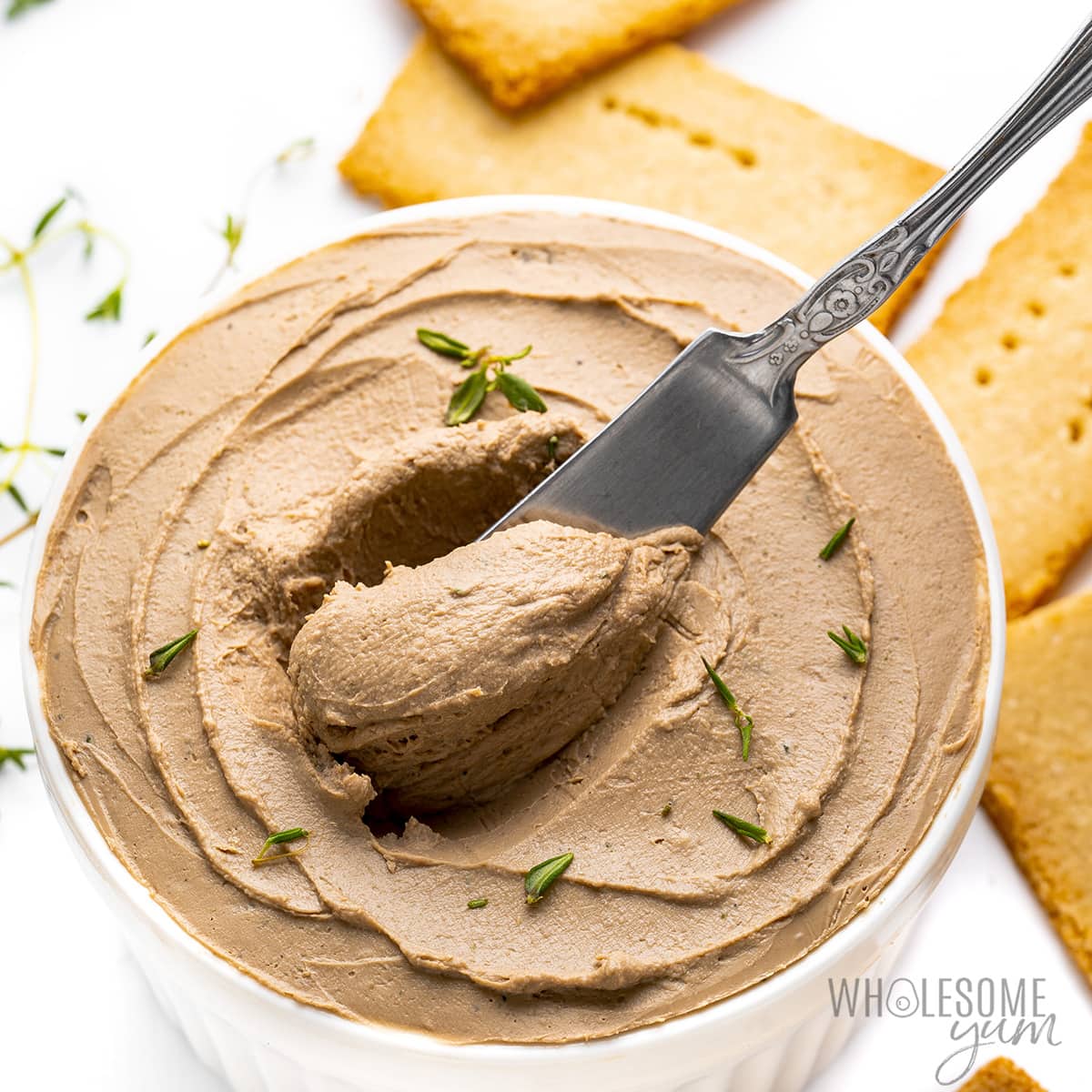
Classic Liver Pâté with Crusty Bread
A rich, creamy pâté made from finely chopped liver, blended with herbs and butter for a luxurious spread perfect for sandwiches or dipping. This recipe is a must-try for any occasion.
🥘Ingredients
- 1 lb (450g) beef or chicken liver, finely chopped
- 1/2 cup (120ml) unsalted butter, softened
- 1/4 cup (60ml) dry white wine
- 1/4 cup (60ml) heavy cream
- 2 cloves garlic, minced
- 1 tbsp fresh thyme leaves
- 1 tbsp fresh rosemary, chopped
- 1 tbsp Dijon mustard
- 1 tsp salt
- 1/2 tsp black pepper
- 1/4 tsp nutmeg
- 1 egg yolk (for binding)
- 1 cup (125g) all-purpose flour
- 1/2 tsp salt
- 1/4 cup (60ml) cold unsalted butter, cubed
- 1/4 cup (60ml) ice water
👨🍳Directions
-
1
Preheat oven to 375°F (190°C). Line a baking sheet with parchment paper. -
2
For the crust: Mix flour and salt in a bowl. Cut in cold butter until crumbly. Add ice water 1 tbsp at a time until dough just comes together. Shape into a log, wrap in plastic, and chill for 30 minutes. -
3
For the pâté: In a food processor, pulse liver until finely chopped. Transfer to a bowl and mix in butter, wine, cream, garlic, thyme, rosemary, Dijon mustard, salt, pepper, and nutmeg. Stir in egg yolk. -
4
Roll the chilled dough into a 1-inch-thick rectangle. Spread pâté evenly over the dough. Roll tightly into a log, wrap in plastic, and chill for at least 2 hours. -
5
Preheat oven to 375°F (190°C). Unwrap the pâté log and place seam-side down on the prepared baking sheet. Bake for 30-35 minutes until golden brown.
🔧Equipment
- Food processor
- Mixing bowls
- Fine-mesh sieve
- Baking sheet
- Oven
📊Nutrition Facts (per serving)
📝Notes
Tips
- For extra richness, add 1 tbsp of brandy or port while cooking.
- Use a mandoline for even liver chopping.
- Store pâté in the fridge for up to 5 days or freeze for longer storage.
Variations
- Add 1/2 cup finely chopped shallots for a milder flavor.
- Use chicken liver for a lighter option.
Watch Video Of How Classic Liver Pâté with Crusty Bread Works
❓ Frequently Asked Questions About Liver Pâté with Crusty Bread
1. What is the best way to prepare liver pâté for optimal flavor and texture?
The best way to prepare liver pâté involves using high-quality, fresh duck or beef liver (preferably from grass-fed or pasture-raised animals). Start by cleaning the liver thoroughly and trimming off any excess fat or connective tissue. For a rich flavor, marinate the liver in a mixture of Dijon mustard, shallots, garlic, and a splash of white wine or stock for about 30 minutes. Then, cook the liver in a pan over medium heat until lightly browned. Once cooked, blend the liver with softened butter, shallots, garlic, a touch of capers or lemon zest for brightness, and a pinch of salt and pepper. For a smoother texture, you can blend it in a food processor or use an immersion blender. Chill the pâté for at least 2 hours before serving to let the flavors meld together.
—
2. Can I substitute beef liver for duck liver in this recipe, and if so, what adjustments should I be made?
Yes, you can substitute beef liver for duck liver, but there are a few adjustments to consider. Beef liver tends to be more fibrous and less fatty than duck liver, so it may require a slightly longer cooking time to tenderize. Additionally, beef liver has a stronger, more metallic flavor, so you might want to enhance it with more aromatic ingredients like shallots, garlic, thyme, or a splash of red wine to balance the taste. If the pâté ends up too dry, adding a bit more butter or a small amount of stock while cooking can help. For texture, beef liver pâté can be slightly grainier, so blending it more thoroughly may be beneficial.
—
3. How should I store liver pâté to maintain freshness and prevent spoilage?
Liver pâté should be stored properly to maintain its freshness and prevent spoilage. Once prepared, transfer the pâté to an airtight container and refrigerate it for up to 5 days. If you plan to store it longer, you can freeze it for up to 3 months. When freezing, portion the pâté into small containers or bags to avoid freezer burn. To reheat, gently warm it in a microwave or a double boiler over low heat, stirring occasionally, until it reaches the desired temperature. Always ensure that pâté is consumed within a reasonable time frame and discard any leftovers that have been thawed more than once or show signs of spoilage, such as an off smell or unusual texture.
—
4. What are some great ways to serve liver pâté, and are there good pairings for it?
Liver pâté is incredibly versatile and pairs beautifully with a variety of dishes. It can be served as a spread on toasted baguette slices, crackers, or crusty bread. For a gourmet touch, try spreading it on a slice of ham or smoked salmon with a few fresh herbs and a drizzle of honey or mustard. You can also use it as a filling for sandwiches, crostini, or even as a topping for grilled or roasted vegetables. One of the classic ways to serve pâté is on a charcuterie board alongside cured meats, cheeses, olives, nuts, and pickles. For a more refined presentation, consider pairing it with a crisp white wine like Sauvignon Blanc or a dry Riesling, or a light red like Pinot Noir.
—
5. Can I make liver pâté ahead of time, and how does it taste after it has been prepared in advance?
Yes, you can absolutely make liver pâté ahead of time, and it actually tastes even better after it has had time to rest and develop its flavors. The pâté will continue to meld together and become more cohesive when chilled or even frozen. For best results, prepare the pâté a day or two in advance and store it in the refrigerator or freezer. When you’re ready to serve it, simply reheat it gently to warm through without overcooking. The flavors will deepen and become more complex, making it a convenient and delicious option for meal prep. Just be sure to handle it carefully to avoid spoilage, as liver pâté is best consumed within a few days of preparation.

