
easy yeast rolls recipe

The Best easy yeast rolls recipe
And let’s talk about the health perks—well, not too many, but they’re not bad for you either. The whole wheat flour gives them a little extra fiber, and the olive oil keeps them tender without all the extra fat. My husband swears by them for breakfast, stuffing them with avocado and eggs, and my kids eat them with their soups or salads because they’re just so satisfying. They’re the kind of recipe that feels like a treat but doesn’t break the bank, and honestly, there’s nothing better than a warm roll to soak up whatever sauce or dip you’re serving. Whether you’re hosting a potluck or just making dinner for the family, these rolls are a no-fuss, crowd-pleaser that always gets a thumbs-up. Plus, they reheat beautifully, so you can make a big batch and have leftovers ready for the next day. It’s the kind of recipe that makes life a little easier and a little happier.
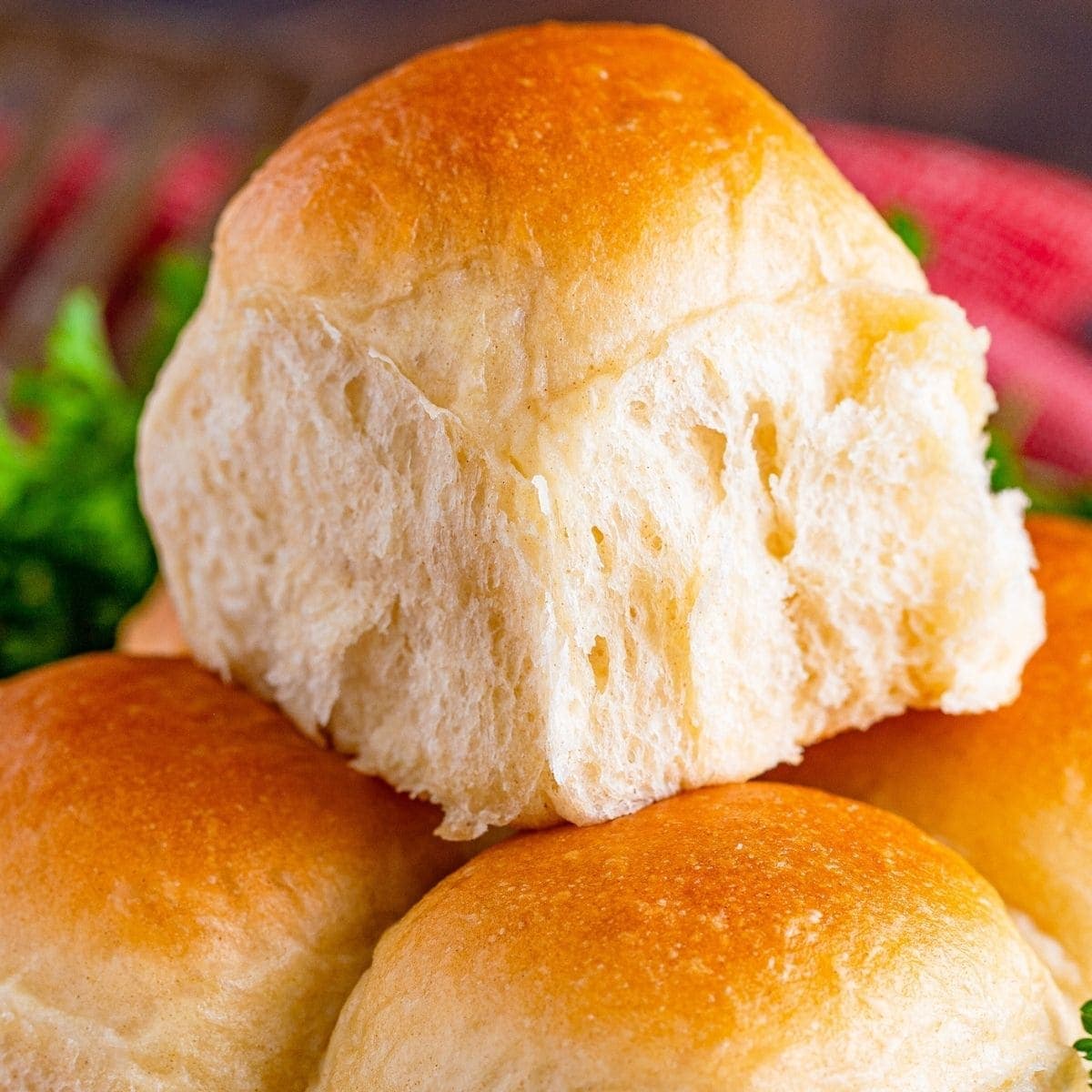
Easy Yeast Rolls Recipe
Delicious, fluffy yeast rolls perfect for sandwiches or as a side dish. Simple and quick to prepare with basic ingredients.
🥘Ingredients
- 2 ½ cups all-purpose flour
- 1 packet (2 ¼ tsp) active dry yeast
- 1 cup warm water (about 110°F)
- 1 tbsp sugar
- 1 tsp salt
- ½ cup unsalted butter, melted
- 1 cup whole milk
- 1 tsp vanilla extract
👨🍳Directions
-
1
In a large bowl, dissolve yeast and sugar in warm water. Let sit for 5 minutes until foamy. -
2
Add flour and salt, then mix until a shaggy dough forms. Knead for 8–10 minutes until smooth and elastic. -
3
Place dough in a lightly oiled bowl, cover, and let rise in a warm place for 1–1.5 hours, or until doubled in size. -
4
Punch down dough, divide into 8 equal balls, and place on parchment-lined baking sheets. Let rise for 30 minutes. -
5
Preheat oven to 375°F (190°C). Bake rolls for 20–25 minutes until golden brown. -
6
For glaze: Mix melted butter, milk, and vanilla. Brush over cooled rolls.
🔧Equipment
- Mixing bowl
- Kitchen scale (optional)
- Oven
- Rolling pin
- Parchment paper
📊Nutrition Facts (per serving)
📝Notes
- For extra flavor, add 1 tsp dried herbs (like rosemary or thyme) to the dough.
- Store rolls in an airtight container for up to 3 days or freeze for longer storage.
- Substitute whole wheat flour for a healthier twist.
Watch Video Of How Easy Yeast Rolls Recipe Works
❓ Frequently Asked Questions About Yeast Rolls
1. What is the best way to activate the yeast in the easy yeast rolls recipe?
To activate the yeast, mix 1 teaspoon of active dry yeast with 2 tablespoons of warm water (around 110°F or 43°C) in a bowl. Let it sit for 5-10 minutes until it becomes foamy. This confirms the yeast is active and ready to be used in your dough.
—
2. Can I use bread flour instead of all-purpose flour for these yeast rolls?
Yes, you can use bread flour if you prefer. Bread flour has a higher protein content, which can make the rolls slightly denser but still delicious. If you’re using bread flour, ensure your yeast is fresh and active for best results.
—
3. How long should I let the dough rest before shaping the rolls?
Let the dough rest for at least 1 to 1.5 hours (or until it nearly doubles in size) at room temperature. This allows the yeast to fully activate and the gluten to relax, making shaping easier. If you have time, let it rise longer for softer, fluffier rolls.
—
4. What if my rolls don’t rise properly, and they stay flat?
If your rolls didn’t rise, check these common issues:
– Yeast was inactive – Ensure your yeast was dissolved in warm water and foamed properly before adding to the dough.
– Too much flour – If flour was added in excess, the dough can be too dense for the yeast to expand it effectively.
– Cold environment – Warm the dough slightly (around 75–80°F/24–27°C) before letting it rise.
– Overworking the dough – Gently handle the dough to avoid weakening the gluten structure.
—
5. Can I make these yeast rolls ahead of time and bake them later?
Yes, you can! Shape the rolls, place them on a floured tray, and let them rise to their full size. Cover with a damp towel and refrigerate for up to 24 hours. Before baking, take them out and let them sit at room temperature for 30–60 minutes to proof again. Bake as directed for the best texture.
