
crumb topping recipe

The Best crumb topping recipe
My family loves it because it’s versatile—you can use it on pies, cookies, grilled cheese, or even over roasted veggies. My kids especially like the way it makes their pancakes or waffles taste like they’re eating something homemade, even if it’s just a simple breakfast. And honestly? It’s one of those recipes that feels like a little reward after a long day. Plus, it’s not just about taste—it’s got a little extra protein from the bacon and fiber from the whole wheat flour if you use it, which makes it a little healthier than plain sugar-based toppings. It’s the kind of thing that feels like a little indulgence without being too much work.
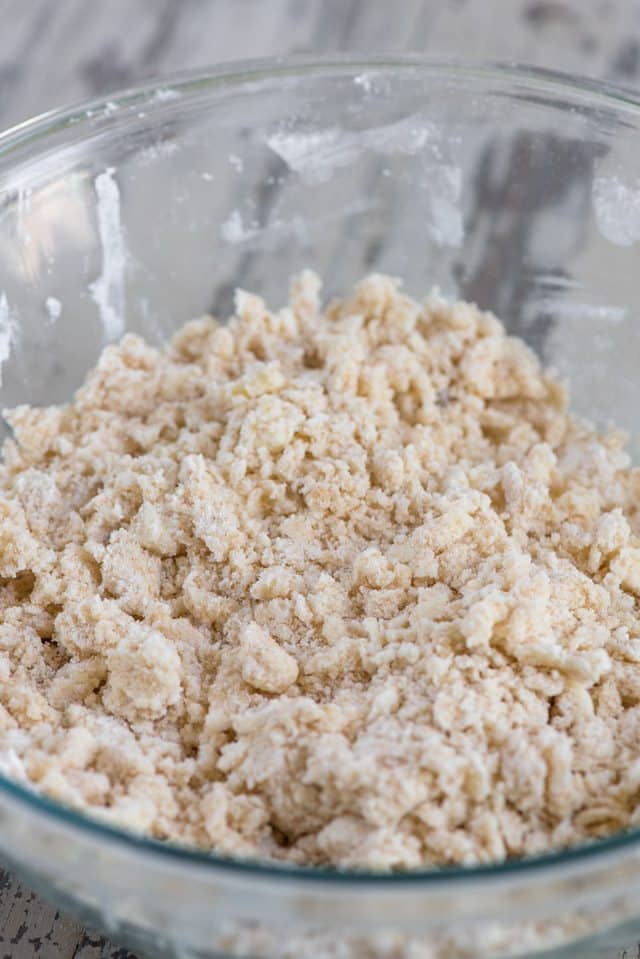
Easy Homemade Crumb Topping for Baked Goods
A simple and versatile crumb topping that adds a delightful crunch to baked desserts like pies, cakes, or cookies. Perfect for enhancing texture and flavor without overpowering the main dish.
🥘Ingredients
- ½ cup all-purpose flour
- ¼ cup cold butter, cubed
- ¼ cup granulated sugar
- 1 tsp vanilla extract
- Pinch of salt
👨🍳Directions
-
1
In a mixing bowl, combine flour, sugar, and salt. Add cold butter cubes and cut into the flour mixture using a fork or pastry cutter until the mixture resembles coarse crumbs. -
2
Stir in vanilla extract until evenly distributed. Press the crumb mixture evenly over the cooled baked goods (like pies, cakes, or cookies) using your fingers or a spoon. -
3
Optional: For extra crispiness, bake at 350°F (175°C) for 5–10 minutes until golden brown.
🔧Equipment
- Mixing bowl
- Fork or pastry cutter
- Lightweight baking sheet
📊Nutrition Facts (per serving)
📝Notes
Tips
- For a gluten-free option, substitute all-purpose flour with a 1:1 gluten-free flour blend.
- Add 1 tbsp chopped nuts (like walnuts or pecans) for extra texture and flavor.
- Ensure butter is cold to maintain a crispy texture. If softened, chill the mixture for 10 minutes before mixing.
Storage: {“shortTerm”:”Store in an airtight container at room temperature for up to 3 days.”,”longTerm”:”Freeze for up to 3 months. Thaw before use.”}
Watch Video Of How Easy Homemade Crumb Topping for Baked Goods Works
❓ Frequently Asked Questions About Crumb Topping for Baked Goods
What is the best way to prevent crumbs from sticking to the pan when baking with a crumb topping?
To prevent crumbs from sticking, ensure your pan is well greased with butter or oil before adding the crumb mixture. Preheat your oven to the correct temperature, and line the pan with parchment paper for easy removal. Baking at a slightly lower temperature for a bit longer can also help the topping set properly, reducing stickiness.
—
Can I use gluten-free flour in a crumb topping recipe?
Yes, you can use gluten-free flour blends in a crumb topping, but you may need to adjust the ratio slightly. A common blend is a mix of almond flour, tapioca starch, and rice flour. For example, replace 1 part gluten-free flour with 1 part cornstarch or arrowroot powder to improve texture. Always test a small batch first to ensure it holds together well.
—
How long should I bake a dessert with a crumb topping for the perfect texture?
Baking time depends on the recipe, but a general guideline is 15–25 minutes for most crumb-topped desserts like pies, cobbler, or cakes. Start checking around 15 minutes, as overbaking can make the topping dry and crumbly. Use the toothpick test: insert it into the center—it should come out with a few moist crumbs (not wet batter).
—
Why does my crumb topping turn out too crumbly or dusty instead of crispy?
A crumbly or dusty topping usually happens when the flour isn’t mixed well with the fat or if the oven temperature is too high. To fix this, ensure the flour and fat are combined thoroughly by cutting butter into the flour until pea-sized crumbs form. Use a lower oven temperature (around 350°F/175°C) and bake for a slightly longer time. Adding a binder like melted butter or a little egg yolk can also help.
—
Can I make a crumb topping without butter, and if so, what are good substitutes?
Yes, you can substitute butter with other fats like coconut oil (solid at room temperature), shortening, or even a mix of olive oil and melted butter for a slightly different flavor. For a lighter texture, try using a combination of melted coconut oil and a little avocado oil. Just ensure the fat is cold enough to cut into the flour properly to prevent a greasy topping.
