
italian casserole recipe

The Best italian casserole recipe
What I really love about this recipe is how it balances simplicity with depth. You don’t need fancy ingredients or complicated steps—just good-quality meat, fresh vegetables, and a little bit of olive oil to bring everything together. It’s also surprisingly healthy for a casserole because it’s packed with lean proteins, fiber-rich vegetables, and whole grains. My husband and I both notice how much better we feel after eating one, especially if it’s made with whole-wheat pasta or extra vegetables. And because it’s baked, it’s naturally lower in fat than fried dishes, but still so satisfying. It’s the kind of meal that feels like a treat but isn’t too indulgent, which makes it perfect for everyday cooking or special occasions. Whether you’re serving it at a family gathering or just making it for yourself, it’s always a crowd-pleaser.
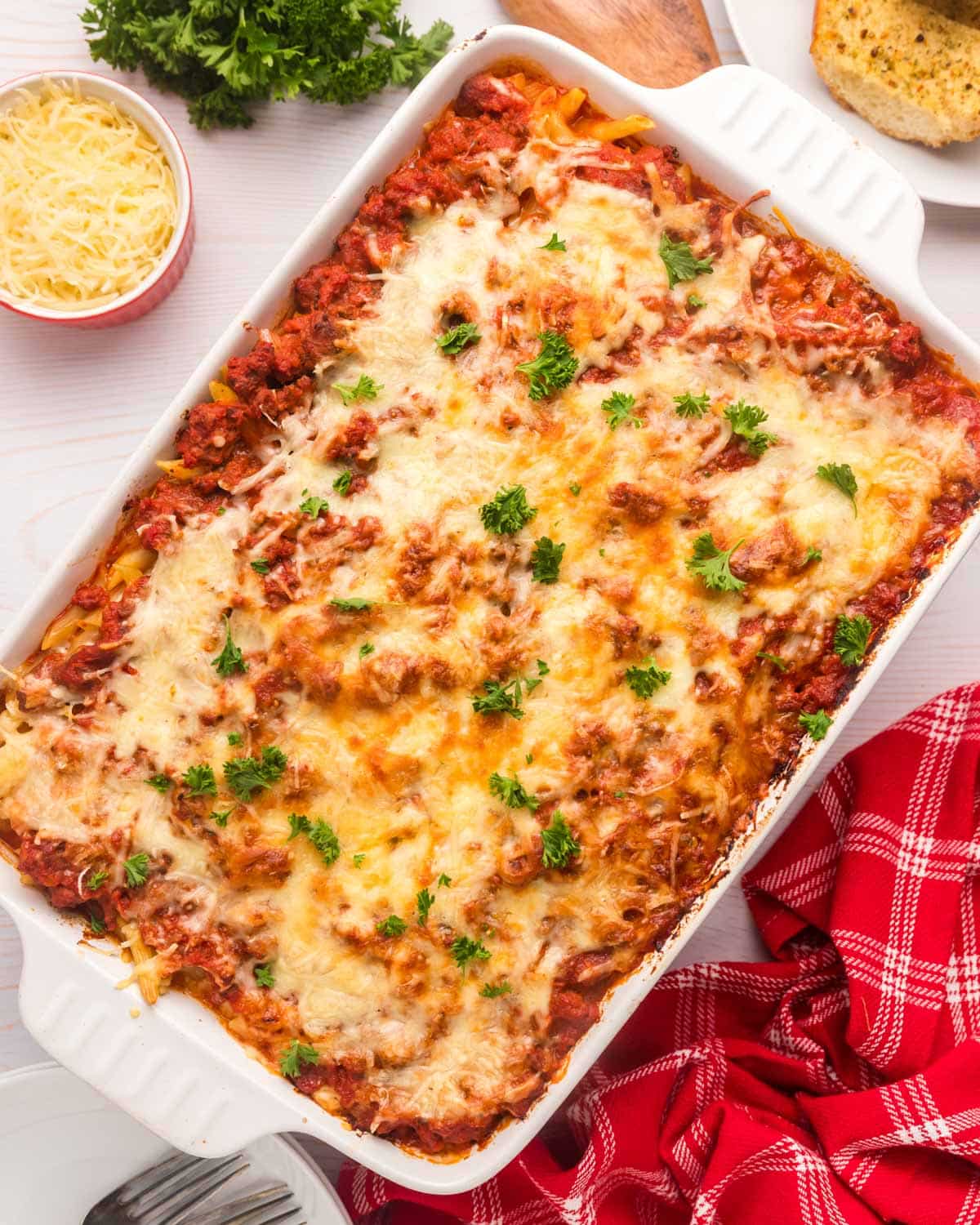
Italian Casserole with Spinach and Ricotta
A comforting Italian-inspired casserole featuring layers of creamy ricotta, tender spinach, and a rich tomato sauce, baked to perfection. This recipe is a must-try for any occasion.
🥘Ingredients
- 1 ½ cups all-purpose flour
- 1 tsp salt
- 1 tsp dried oregano
- ½ tsp dried basil
- 1 cup ricotta cheese
- 2 large eggs
- ½ cup grated Parmesan cheese
- 2 cups fresh spinach, chopped
- ½ cup shredded mozzarella cheese
- ¼ cup grated Parmesan cheese
- 1 (28 oz) can crushed tomatoes
- 2 cloves garlic, minced
- 1 small onion, diced
- 1 tsp dried basil
- 1 tsp dried oregano
- Salt and pepper to taste
- ½ cup breadcrumbs
- 1 tbsp olive oil
- ½ cup grated Parmesan cheese
👨🍳Directions
-
1
Preheat oven to 375°F (190°C). In a large bowl, whisk together flour, salt, oregano, and basil. Add ricotta, eggs, and Parmesan, mixing until smooth. -
2
In a separate bowl, sauté onion and garlic in olive oil until soft. Stir in crushed tomatoes, basil, oregano, salt, and pepper. Simmer for 10 minutes. -
3
Spread half of the ricotta mixture evenly in the bottom of the baking dish. Pour half of the tomato sauce over it. Sprinkle half of the spinach, mozzarella, and Parmesan on top. -
4
Repeat layers with remaining ricotta mixture, tomato sauce, and spinach. Top with breadcrumbs mixed with olive oil and remaining Parmesan. -
5
Bake for 30-35 minutes until golden and bubbly. Let cool for 5 minutes before serving.
🔧Equipment
- Mixing bowls
- Whisk
- Large baking dish (9×13 inches)
- Knife and cutting board
- Oven
📊Nutrition Facts (per serving)
📝Notes
- For a lighter version, use low-fat ricotta and reduced-fat mozzarella.
- Add diced bell peppers or mushrooms for extra flavor and texture.
- Make ahead: Assemble the casserole, refrigerate overnight, then bake as directed.
Watch Video Of How Italian Casserole with Spinach and Ricotta Works
❓ Frequently Asked Questions About Italian Casserole with Spinach and Ricotta
What is the traditional Italian casserole dish called?
The most well-known traditional Italian casserole dish is Lasagna, particularly the Lasagna alla Bolognese (Bolognese-style) or Lasagna alla Milanese (with béchamel). However, other classic Italian casseroles include Tortellini in Brodo (stuffed pasta in broth), Pasta e Fagioli (pasta with beans), and Pizza al Forno (though not strictly a casserole, it’s often baked in a deep dish). For a true casserole-style dish, Gnocchi al Pesto or Parmigiana di Melanzane (eggplant casserole) are also popular.
—
What are the key ingredients in a classic Italian casserole like lasagna?
A traditional Bolognese-style lasagna typically includes:
– Layers of pasta (tagliatelle or lasagna sheets)
– Bolognese ragù (slow-cooked meat sauce with ground beef, pork, mushrooms, carrots, celery, onions, tomatoes, and wine)
– Ricotta or mozzarella (for creaminess, though ricotta is more authentic)
– Parmigiano-Reggiano (grated cheese for flavor)
– Fresh basil (optional, for garnish)
– Tomato passata or san marzano tomatoes (for acidity)
– Garlic, olive oil, and herbs (rosemary, thyme)
– Salt, pepper, and a splash of red wine (for deglazing)
Some versions add egg wash for browning the pasta layers.
—
Why does Italian lasagna taste better than other versions with heavy cheese?
Italian lasagna is distinguished by its layered simplicity and balance of flavors rather than excessive cheese. The key differences include:
– Less ricotta, more mozzarella (or a mix) – Italian lasagna often uses mozzarella di bufala or fior di latte (not the processed American kind), which melts beautifully without overpowering.
– Authentic ragù – The meat sauce is slow-cooked (not just ground beef with tomato paste) with vegetables, wine, and herbs, giving depth instead of a heavy, greasy texture.
– Pasta matters – Traditional tagliatelle (wide ribbons) or lasagna sheets are used, not thin sheets that absorb too much sauce.
– Less ricotta – While ricotta adds creaminess, too much can make lasagna soggy. A lighter layer (or none at all in some recipes) keeps it fresh.
– Less tomato-heavy – Some Italian styles use passata or san marzano tomatoes in moderation, while American versions often rely on excessive tomato sauce.
– No overbaking – Italian lasagna is baked until just set (not overcooked), so it stays tender rather than rubbery.
—
Can I make an Italian casserole without a deep dish pan? No oven?
Absolutely! You can adapt many Italian casserole dishes without a deep dish pan or oven. Here are a few oven-free or alternative methods:
– Sheet Pan Lasagna – Layer pasta, sauce, and cheese on a baking sheet, cover with foil, and bake at 375°F (190°C) for 30–40 minutes until bubbly.
– Stovetop Pasta Casserole – Cook pasta, mix with sauce, and reheat in a pot with a splash of broth or milk to keep it creamy (like Pasta e Fagioli).
– Sheet Pan Eggplant or Zucchini Casserole – Slice and layer with marinara, cheese, and bake at 400°F (200°C) for 20–25 minutes.
– Baked Potato or Rice Casserole – Use potatoes or rice as a base for a meat-and-cheese filling (like a potato and cheese bake).
– One-Pot Pasta with Broth – Simmer pasta in broth with beans, veggies, and meat (like Pasta e Fagioli), then top with cheese and broil briefly.
– No-Bake Cheesecake or Frittata – For a lighter option, mix ricotta, eggs, and herbs into a batter and bake in a greased dish.
—
What’s the difference between Italian lasagna and American lasagna?
The main differences lie in ingredients, texture, and preparation:
– Pasta type:
– Italian: Uses tagliatelle (wide ribbons) or lasagna sheets (thin, flexible).
– American: Often uses noodles (thin sheets) or ricotta-stuffed lasagna (more filling than sauce).
– Cheese:
– Italian: Lighter on ricotta, more mozzarella or Parmigiano-Reggiano in layers.
– American: Heavy with ricotta, mozzarella, and sometimes cottage cheese, leading to a creamier, gooier texture.
– Sauce:
– Italian: Ragù (slow-cooked meat sauce with wine, veggies, and tomatoes).
– American: Often tomato sauce (or marinara) mixed with cheese sauce, sometimes with cream or heavy cream.
– Baking method:
– Italian: Baked until just set (not overcooked), so it’s tender.
– American: Sometimes overbaked until it’s dry or rubbery.
– Herbs & flavors:
– Italian: Uses rosemary, thyme, and fresh basil in the sauce.
– American: May lack herbs or rely more on garlic and onion in the cheese sauce.
– Texture:
– Italian: Moist but not soggy—layers hold together without falling apart.
– American: Can be drier or more greasy if cheese is overused.
—
How do I store and reheat Italian casserole leftovers?
Storing and reheating Italian casseroles properly keeps them tender and flavorful:
– Storage:
– Room temperature: Up to 2 hours (if the dish is made with fresh ingredients like ricotta or cheese).
– Fridge: Up to 4 days in an airtight container. Store separate layers (e.g., sauce and pasta) to prevent sogginess.
– Freezer: Up to 3 months. Let it cool completely before freezing in portions. Thaw overnight in the fridge.
– Reheating:
– Oven method (best for lasagna):
– Preheat oven to 350°F (175°C).
– Cover with foil and bake for 20–30 minutes until bubbly.
– Broil for 2–3 minutes at the end to crisp the top.
– Stovetop method:
– For pasta casseroles, add a splash of broth or milk to prevent drying.
– Heat gently on low to avoid breaking layers.
– Microwave (quick but less ideal):
– Cover with a damp paper towel and microwave in 20-second bursts, stirring in between.
– Avoid over-microwaving to prevent rubberiness.
– Preventing dryness:
– If the dish is too dry, add a splash of broth, milk, or water before reheating.
– For cheese-heavy dishes, reheat in small batches to avoid melting too much.

