
cheesy pasta recipe

The Best cheesy pasta recipe
My family loves it because it’s always a crowd-pleaser. The kids will eat it straight from the bowl, and the adults can always find a way to sneak in a little extra cheese or maybe add some garlic or herbs to make it their own. It’s that kind of recipe that feels indulgent but isn’t too heavy, which is perfect for a quick dinner or even a lazy Sunday night. Plus, it’s got some real health perks—protein from the pasta, calcium from the cheese, and fiber if we’re adding some veggies or whole wheat noodles. It’s not some fancy restaurant dish, but it’s got all the flavors and comfort you’d expect from a good home-cooked meal. And honestly, there’s nothing like the smell of fresh pasta and melted cheese filling the kitchen when dinner’s ready.
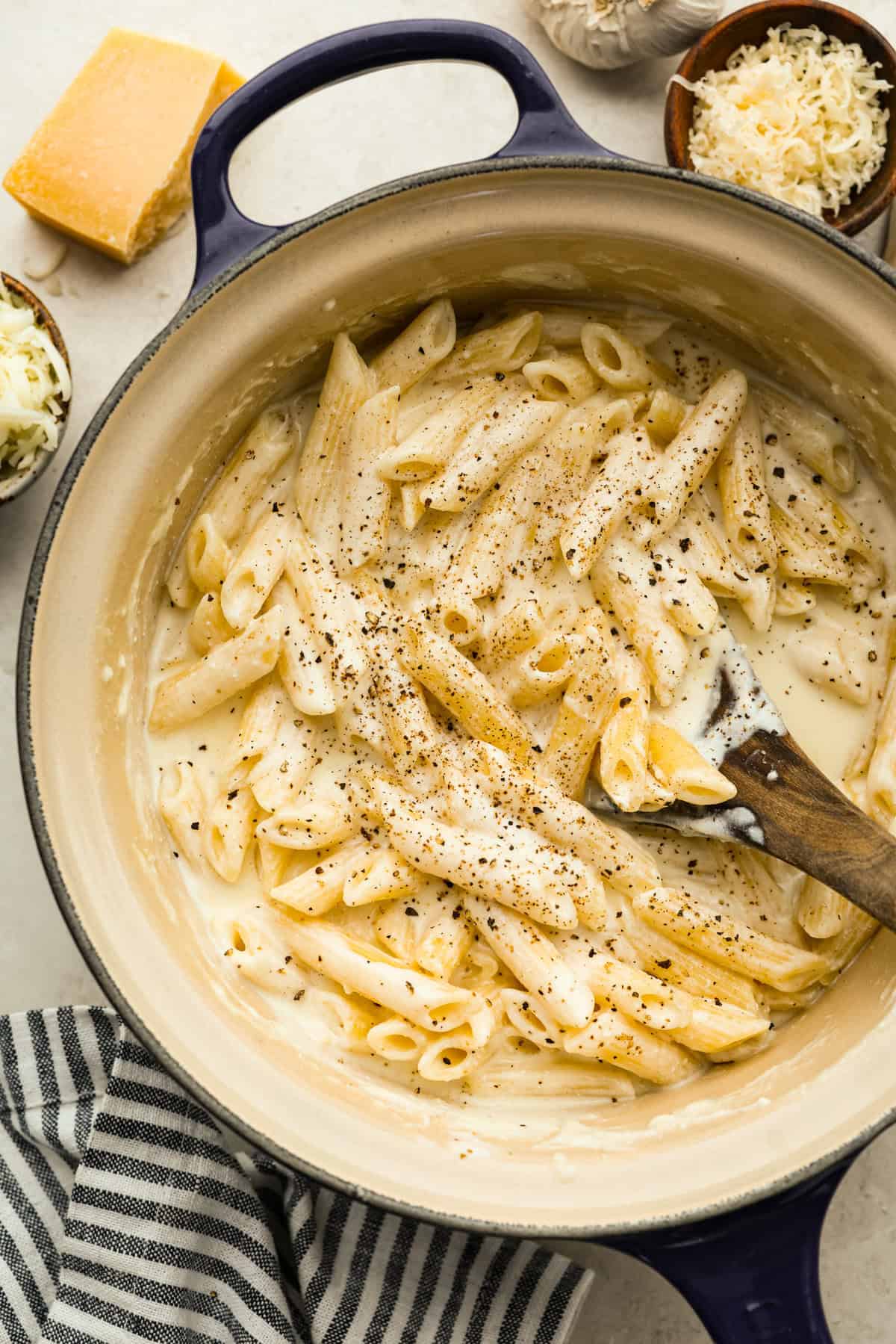
Cheesy Garlic Pasta with Spinach
A creamy, cheesy pasta dish packed with garlic and fresh spinach, offering a rich and satisfying flavor profile. This recipe is a must-try for any occasion.
🥘Ingredients
- 8 oz (225g) fettuccine or any pasta of choice
- 1 cup (100g) grated Parmesan cheese
- 1 tbsp olive oil
- 3 cloves garlic, minced
- 1 cup (240ml) heavy cream
- 1 cup (240ml) whole milk
- 1 cup (150g) shredded mozzarella cheese
- 1 cup (100g) fresh spinach, chopped
- ½ tsp red pepper flakes (optional)
- Salt and black pepper to taste
👨🍳Directions
-
1
Cook pasta according to package instructions in salted boiling water until al dente. Drain and set aside, reserving ½ cup pasta water. -
2
In a saucepan, heat olive oil over medium heat. Add minced garlic and sauté for 1 minute until fragrant. Pour in heavy cream and milk, stirring to combine. -
3
Reduce heat to low, add shredded mozzarella, and stir until melted. Add chopped spinach and red pepper flakes (if using), cooking until spinach wilts (about 2 minutes). -
4
Season with salt and black pepper to taste. Stir in cooked pasta, adding reserved pasta water if needed to achieve a creamy consistency. -
5
Garnish with grated Parmesan cheese and serve hot.
🔧Equipment
- Large pot
- Saucepan
- Mixing bowls
- Wooden spoon
- Cheese grater
- Knife and cutting board
📊Nutrition Facts (per serving)
📝Notes
- For a lighter version, replace half the heavy cream with unsweetened almond milk.
- Add a pinch of nutmeg or a dash of Worcestershire sauce for extra depth of flavor.
- Ensure your pasta is al dente for the best texture.
Watch Video Of How Cheesy Garlic Pasta with Spinach Works
❓ Frequently Asked Questions About Cheesy Garlic Pasta with Spinach
1. What is the secret to making the creamy yet light texture in this cheesy pasta recipe?
The secret lies in using a mix of heavy cream and a splash of milk for richness, while also incorporating a small amount of butter and grated Parmesan to create a velvety sauce. Stirring the sauce off the bottom of the pan (not too vigorously) helps prevent it from burning, and adding the cheese gradually ensures a smooth, creamy consistency without clumping. Additionally, using fresh pasta and cooking it al dente before adding the sauce helps maintain the dish’s lightness.
2. Can I substitute any of the ingredients in this recipe, and if so, what are the best alternatives?
Yes, you can make substitutions, but some changes may affect the texture or flavor. For example:
– Heavy cream can be replaced with half-and-half or a mix of whole milk and sour cream for a slightly tangier taste.
– Parmesan cheese can be swapped with Pecorino Romano or a blend of sharp cheddar and Gruyère for a different umami depth.
– Butter can be omitted or reduced, but adding a little extra Parmesan will still give richness.
– Fresh pasta can be replaced with dried pasta (cook it slightly underdone for a softer bite), but fresh pasta holds up better for creamy sauces.
3. How long should I cook the pasta before adding the cheese sauce?
Cook the pasta al dente (about 1 minute less than the package instructions) and drain it immediately. Tossing it in a little olive oil or butter before adding the sauce helps prevent the pasta from sticking to the bottom. Adding the sauce right after draining ensures the pasta stays tender rather than turning mushy.
4. Why does my sauce sometimes turn out grainy or clumpy instead of smooth?
Grainy or clumpy cheese sauce usually happens due to one of these reasons:
– Overheating the sauce – Stirring too vigorously or letting it sit too long on high heat can cause the cheese to separate. Always cook on low to medium heat and stir gently.
– Not blending the cheese properly – If you’re using pre-shredded cheese (especially with anti-caking agents), it can create lumps. Grate your own cheese finely or use a food processor for a smoother texture.
– Adding cheese too quickly – Pour the cheese slowly while stirring constantly to incorporate it smoothly. A splash of milk or cream can also help emulsify it.
– Using too much cheese – A slightly under-seasoned sauce can make the cheese clump. Taste and adjust salt/pepper before serving.
5. Can I make this recipe ahead of time, and how should I store it?
Yes, you can prep the sauce ahead and store it properly:
– Make the sauce in advance: Cook the pasta, drain it, and set it aside. Prepare the cheese sauce and cool it quickly in an ice bath or by dividing it into portions. Store the sauce in an airtight container in the fridge for up to 3 days.
– Assemble the dish: When ready to serve, reheat the sauce gently in a saucepan (low heat, stirring often) and toss with the pasta. If the sauce thickens too much, add a splash of milk or broth.
– Freezing: The sauce can be frozen for up to 2 months, but reheating may cause it to separate slightly. Thaw in the fridge overnight, then reheat with a splash of water or milk to restore creaminess. Avoid reheating in the microwave directly, as it can curdle the sauce.

