
swiss buttercream recipe

The Best swiss buttercream recipe
What I love most is how easy it is to make, but it still feels indulgent. My family has been using this recipe for years, and it’s the one thing that makes our baked goods stand out. The kids love it because it’s not too sweet, and it holds up well to sprinkles or fresh berries. My husband even likes it on his toast sometimes, which is a win in my book. Plus, it’s got a nice balance of sweetness and creaminess, so it’s not overwhelming. And honestly, it’s healthier than most buttercreams because it uses whole milk instead of heavy cream, which keeps it lighter without sacrificing taste. It’s the kind of recipe that feels like a no-brainer—quick, delicious, and perfect for any time of day.
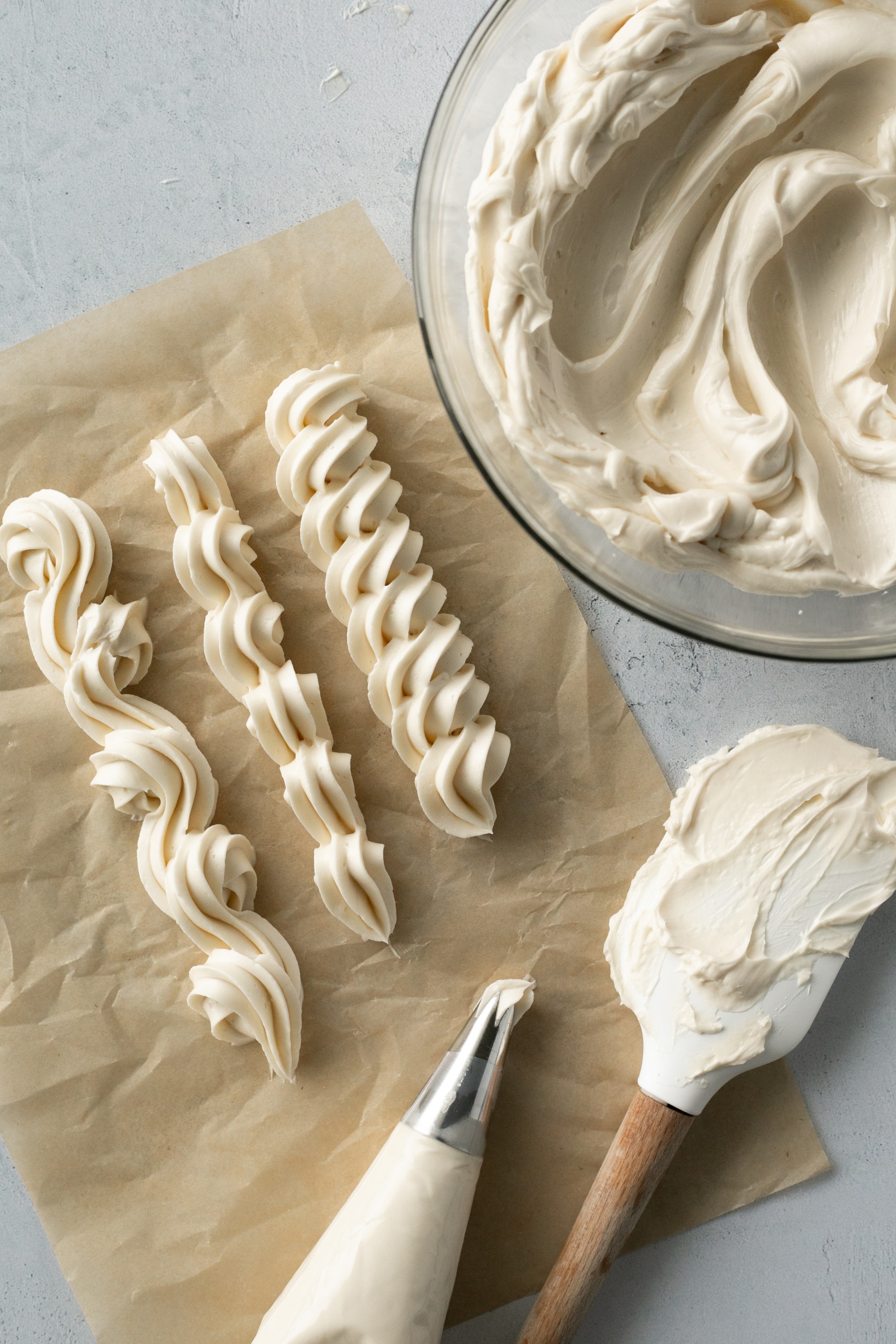
Swiss Buttercream Recipe
A rich, creamy, and versatile buttercream made with Swiss meringue technique, perfect for frosting cakes, cupcakes, and pastries. This recipe is a must-try for any occasion.
🥘Ingredients
- 4 large egg whites, room temperature
- 1 cup granulated sugar
- 1 cup (225g) unsalted butter, room temperature
- 1 tsp vanilla extract
- Pinch of salt
- Powdered sugar (for adjusting consistency)
- Cream cheese (for a lighter texture)
- Cocoa powder (for chocolate frosting)
- Citrus zest (for flavored variations)
👨🍳Directions
-
1
In a clean, grease-free mixing bowl, beat egg whites with a pinch of salt until foamy. Gradually add granulated sugar, one tablespoon at a time, beating well after each addition until the mixture begins to thicken and hold soft peaks. -
2
Using a stand mixer with the whisk attachment, beat the egg whites and sugar on medium-high speed until stiff, glossy peaks form (about 5-7 minutes). -
3
Reduce speed to low and add the softened butter, one tablespoon at a time, mixing just until combined. Scrape down the sides of the bowl as needed. Add vanilla extract and mix until smooth. -
4
Adjust consistency by adding powdered sugar if too thick or a little butter if too thin. For a lighter texture, replace half the butter with cream cheese. -
5
Use immediately for frosting cakes, cupcakes, or piping decorations. Store in an airtight container in the refrigerator for up to 3 days or freeze for longer storage.
🔧Equipment
- Electric mixer or stand mixer
- Large mixing bowl
- Whisk
- Measuring cups and spoons
- Fine-mesh sieve (optional, for smoother texture)
📊Nutrition Facts (per serving)
📝Notes
- Ensure all ingredients are at room temperature for the best texture.
- For a stable Swiss buttercream, avoid overmixing after adding the butter to prevent deflation.
- Experiment with flavors like lemon zest, orange blossom water, or coffee for unique variations.
- If the frosting is too stiff, add a few drops of heavy cream to soften.
Watch Video Of How Swiss Buttercream Recipe Works
❓ Frequently Asked Questions About Swiss Buttercream
What is the key difference between Swiss buttercream and traditional American buttercream?
Swiss buttercream is made using a process called sift-and-fold, where powdered sugar and butter are sifted separately and then gently folded together until smooth. Unlike traditional American buttercream, which relies on whipped egg whites for stability, Swiss buttercream achieves its light, airy texture through the sifting and folding method, resulting in a more stable, frosting that holds its shape well without the need for stabilizers like gelatin.
—
Why does Swiss buttercream require powdered sugar instead of regular granulated sugar?
Powdered sugar (confectioners’ sugar) is used because it has a finer, more uniform grain size, which prevents lumps and ensures a smoother, creamier texture. Regular granulated sugar can leave small particles that may cause clumping or an uneven consistency in the buttercream. Additionally, powdered sugar dissolves more easily in the butter, creating a more homogeneous mixture.
—
How do I prevent my Swiss buttercream from becoming too thick or lumpy?
To avoid a thick or lumpy texture, sift the powdered sugar twice—once before mixing with butter and again after folding—to remove any clumps. Use a stand mixer or hand mixer on low speed to fold gently, and avoid overmixing. If the frosting is too thick, add 1-2 tablespoons of heavy cream or milk at a time until it reaches a smooth, spreadable consistency. If it’s too thin, add more powdered sugar gradually.
—
Can I substitute heavy cream for milk in Swiss buttercream, and if so, why?
Yes, you can substitute heavy cream for milk in Swiss buttercream, but it will slightly alter the texture. Heavy cream adds richness and a slightly thicker consistency, making the frosting creamier and more stable. However, if you use milk alone, the frosting may be lighter and less cohesive. For the best balance, use a mix of milk and heavy cream (e.g., 1 part milk to 1 part heavy cream) if needed.
—
What flavorings can I add to Swiss buttercream, and how should I do it?
You can enhance Swiss buttercream with a variety of flavorings, but it’s best to add them after the buttercream is fully chilled and smooth. Common additions include:
– Vanilla extract (1-2 tsp)
– Cocoa powder (for chocolate frosting)
– Citrus zest or juice (for lemon or orange swirls)
– Spices (cinnamon, cardamom, or nutmeg)
– Flavored butters (e.g., salted caramel, peppermint)
Always fold flavorings in gently to avoid deflating the frosting. For liquid flavors (like citrus), use them sparingly and mix them into the powdered sugar before folding.
