
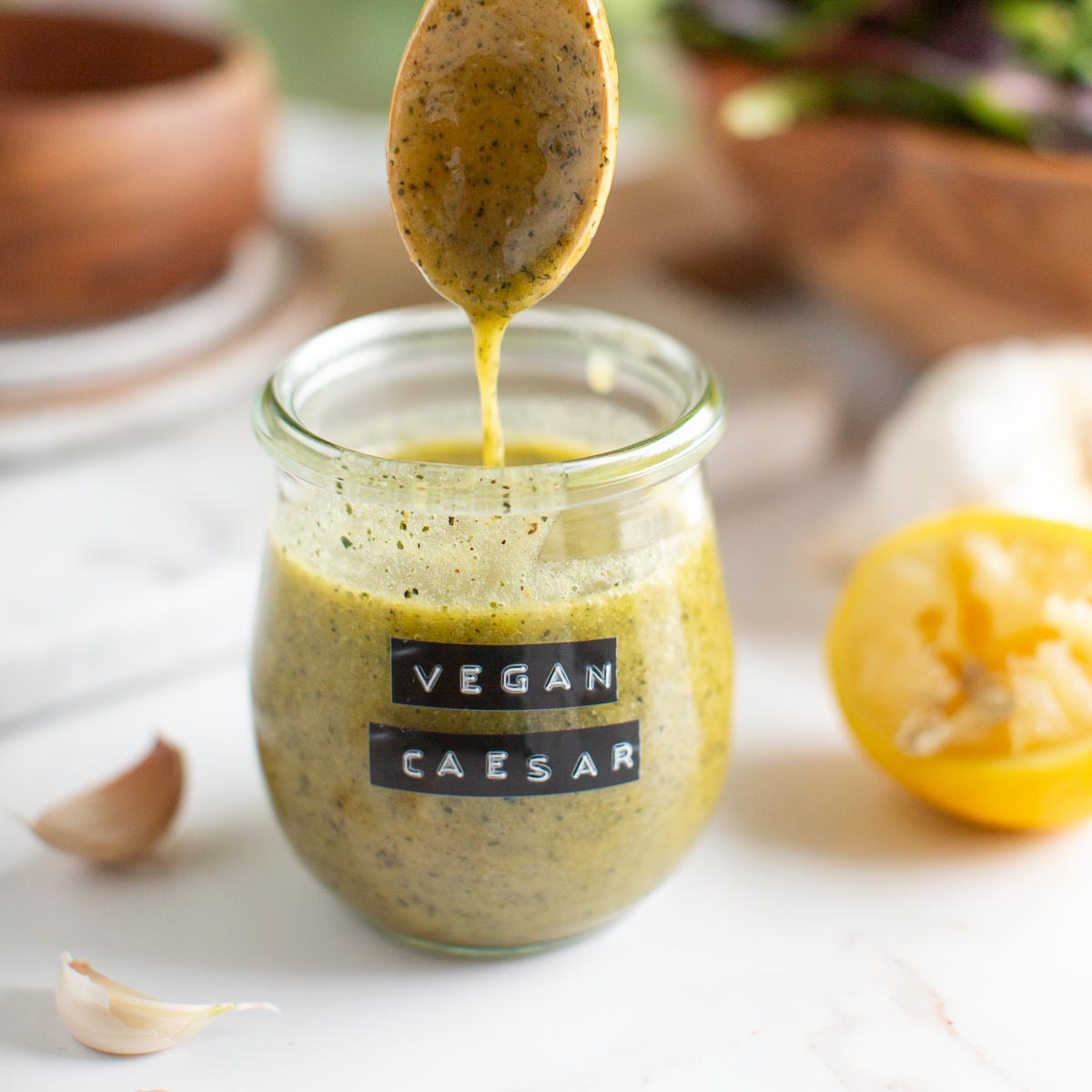
dressing recipe vegan

The Best dressing recipe vegan
My family adores it because it’s so versatile—we use it on everything from grain bowls to cold cuts (yes, I know, but it’s a vegan alternative that works just as well). The kids especially like it when it’s mixed with their favorite grains or veggies, and it’s always a hit at gatherings because it’s easy to make in bulk. Plus, it’s got all the good stuff—healthy fats, plant-based protein, and no weird additives. It’s like a little cheat code for nutrition without the guilt. And honestly, the fact that it’s so simple to whip up means I don’t have to stress about fancy ingredients or last-minute prep. It’s the kind of recipe that feels like a no-brainer, but it still makes a real difference in how meals come together.
Vegan Garlic Herb Stuffed Bell Peppers
A flavorful and hearty vegan recipe featuring stuffed bell peppers with a savory vegan filling, perfect for a wholesome meal. This recipe is a must-try for any occasion.
🥘Ingredients
- 1 cup whole wheat flour
- 1 cup chickpea flour
- 1 tsp salt
- 1 tsp baking powder
- 1 tbsp olive oil
- 1 cup water
- 3 large bell peppers (any color), tops cut off and seeds removed
- 1 cup cooked quinoa
- 1 cup cooked lentils
- 1 cup chopped spinach
- 1 cup chopped tomatoes
- 1 small onion, finely chopped
- 3 cloves garlic, minced
- 2 tbsp olive oil
- 1 tsp dried oregano
- 1 tsp dried basil
- ½ tsp smoked paprika
- Salt and pepper to taste
- ½ cup vegan feta cheese (optional)
- ¼ cup olive oil
- 3 cloves garlic, minced
- 2 tbsp lemon juice
- 2 tbsp fresh parsley, chopped
- 1 tbsp fresh mint, chopped
- 1 tsp dried thyme
- Salt and pepper to taste
- ½ cup water (for thinning if needed)
👨🍳Directions
-
1
Preheat oven to 375°F (190°C). Cut the tops off the bell peppers and remove seeds and membranes. Set aside. -
2
In a mixing bowl, combine whole wheat flour, chickpea flour, salt, baking powder, and olive oil. Gradually add water while mixing until a dough forms. Knead lightly and set aside. -
3
In a skillet, heat olive oil over medium heat. Sauté onion and garlic until soft. Add chopped tomatoes, spinach, quinoa, lentils, oregano, basil, smoked paprika, salt, and pepper. Cook for 5-7 minutes until spinach is wilted. Remove from heat and set aside. -
4
In a small bowl, combine olive oil, minced garlic, lemon juice, parsley, mint, thyme, salt, and pepper. Mix well. -
5
Preheat oven to 375°F (190°C). Cut the dough into thin strips. Stuff each bell pepper with the quinoa-lentil mixture, then roll the dough around each pepper to form a pouch. Place in a baking dish. -
6
Pour the garlic herb dressing over the stuffed peppers. Bake for 40-45 minutes or until peppers are tender.
🔧Equipment
- Mixing bowls
- Food processor or blender
- Large skillet
- Oven
- Cutting board
- Knife
- Measuring cups and spoons
📊Nutrition Facts (per serving)
📝Notes
Tips
- For extra flavor, add a pinch of red pepper flakes or a dash of hot sauce.
- Substitute quinoa with brown rice or another whole grain if preferred.
- Use a mix of bell peppers for variety in color and taste.
- Ensure chickpea flour is finely ground for a smoother dough texture.
Variations
- Add diced mushrooms or zucchini to the stuffing for extra texture.
- Use nutritional yeast for a cheesy flavor in the dressing.
Watch Video Of How Vegan Garlic Herb Stuffed Bell Peppers Works
❓ Frequently Asked Questions About Vegan Garlic Herb Stuffed Bell Peppers
What are the best plant-based proteins to include in a vegan dressing recipe for added richness and texture?
The best plant-based proteins to enhance a vegan dressing include hemp seeds, chia seeds, tofu, tempeh, and nutritional yeast. Hemp seeds add a nutty, protein-rich creaminess, while chia seeds thicken the dressing and provide omega-3s. For a more substantial texture, finely processed tofu or tempeh can be blended in, and nutritional yeast adds a cheesy, umami depth—perfect for a hearty, protein-packed dressing.
—
How can I make a creamy vegan dressing without using dairy or eggs?
To achieve a silky, creamy texture without dairy or eggs, use a blender or food processor to combine raw cashews, soaked for 10 minutes, with water or vegan yogurt (like coconut or almond-based). Add soy sauce or lemon juice to emulsify, then blend until ultra-smooth. For extra richness, include olive oil, avocado, or silken tofu along with acid (like vinegar or citrus) to help bind the ingredients.
—
What are the key flavor profiles to balance in a vegan dressing for optimal taste?
The best vegan dressings balance acid (tangy), salt (umami/savory), fat (creamy/smooth), and sweetness (optional). Start with citrus juice (lemon/lime), vinegar (apple cider or balsamic), or pickle juice for acidity. Enhance with soy sauce, tamari, or miso for saltiness and depth. Add olive oil, tahini, or avocado for fat, and a touch of maple syrup, agave, or dates if you want subtle sweetness. Avoid overpowering flavors—let each element shine while harmonizing.
—
Can I make a vegan dressing with gluten-free ingredients, and how do I ensure it’s safe for celiacs?
Yes! For a gluten-free vegan dressing, skip soy sauce, tamari, or malt vinegar (which often contain gluten). Use coconut aminos (a gluten-free soy alternative) or miso made from gluten-free grains (like rice or barley-free options). For thickening, opt for cornstarch, arrowroot powder, or gluten-free oat flour instead of wheat-based thickeners. Always check labels on store-bought ingredients like mustard, spices, or dressings to avoid cross-contamination with gluten.
—
How do you store and reheat a homemade vegan dressing to maintain its freshness and texture?
Store homemade vegan dressings in an airtight container in the fridge for up to 5–7 days. To prevent separation, stir well before use. For longer storage (up to 3 months), freeze in portions—thaw overnight in the fridge before using. Reheating isn’t necessary unless you’re using it in hot dishes (like pasta or grain bowls). Instead, adjust texture by adding a splash of water or oil if it’s too thick, or blend briefly for a smoother consistency.


