
yakisoba noodles recipe


The Best yakisoba noodles recipe
Plus, yakisoba isn’t just delicious—it’s actually pretty good for you if you keep it balanced. The noodles themselves are made from wheat flour, which gives them that satisfying texture, and you can choose whole wheat if you want extra fiber. The meat, whether it’s chicken, pork, or beef, is usually lean and seasoned with spices that add flavor without excess salt. The sauce is where the magic happens, but you can adjust it to be lighter—skip the extra oil, use less sugar, or swap out some of the soy sauce for lower-sodium versions. It’s a meal that’s easy to customize, whether you’re feeding a crowd or just yourself, and it’s always a hit because it’s simple, flavorful, and full of heart. My husband and I have made it countless times, and it’s always a favorite, whether it’s for a lazy Sunday or a busy Monday night.
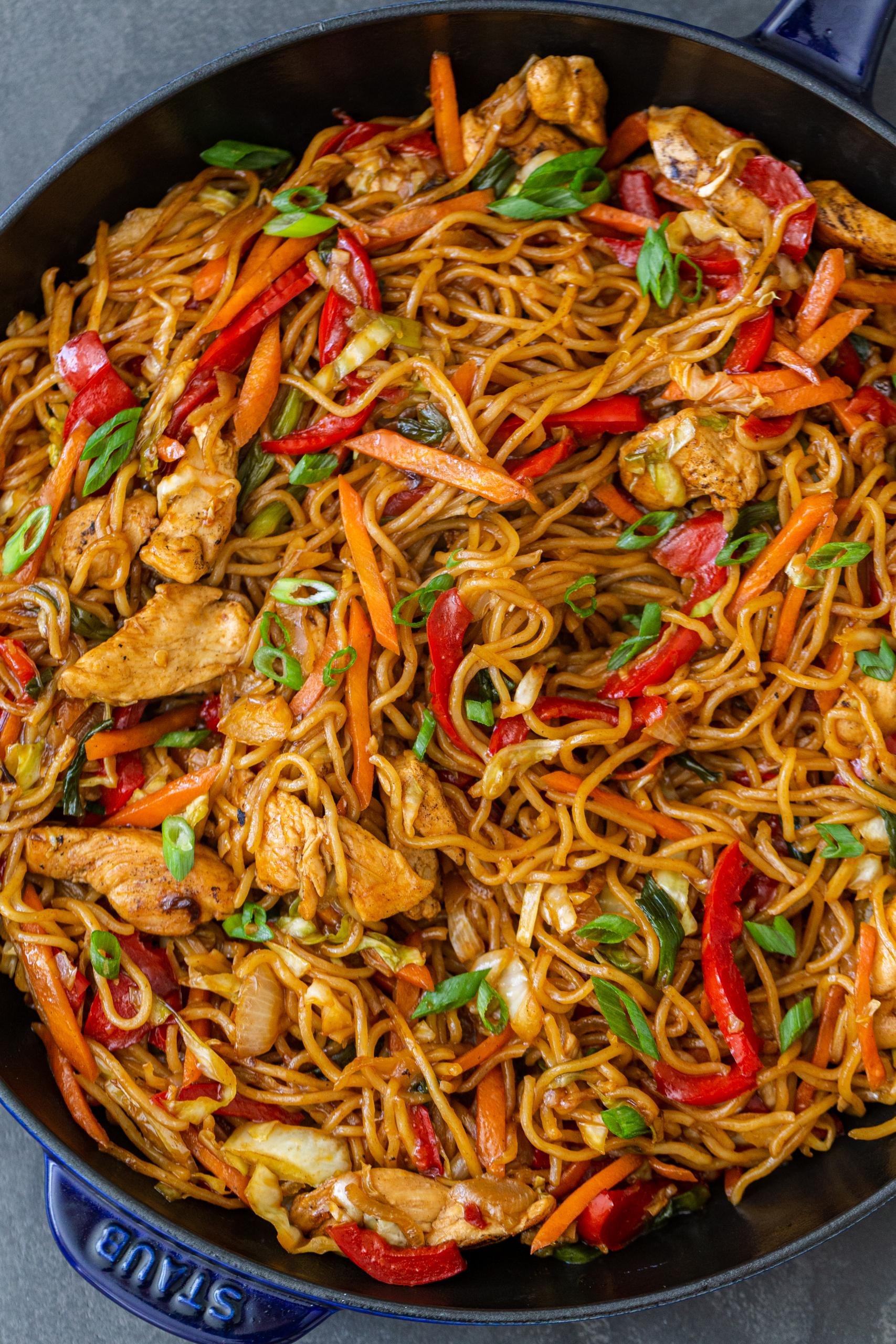
Japanese Yakisoba Noodles with Savory Sauce
A flavorful stir-fried noodle dish featuring chewy yakisoba noodles tossed in a rich, savory sauce with vegetables and optional protein. Perfect for a quick and satisfying weeknight meal.
🥘Ingredients
- 2 cups all-purpose flour
- 1 tsp salt
- 1/2 cup cold water
- 1 cup soy sauce
- 1/2 cup dark soy sauce
- 1/2 cup mirin
- 1/4 cup sake or dry white wine
- 2 tbsp honey or brown sugar
- 1 tbsp grated ginger
- 2 cloves garlic, minced
- 1 tbsp sesame oil
- 1 lb yakisoba noodles (cut into bite-sized pieces)
- 1 bell pepper, sliced
- 1 carrot, julienned
- 1 cup bean sprouts
- 1/2 cup corn kernels
- 1/2 lb chicken breast or pork, sliced (optional)
- 2 tbsp vegetable oil (divided)
- 1/4 cup chopped green onions
- 1 tbsp sesame seeds
👨🍳Directions
-
1
Preheat oven to 425°F (220°C) if baking noodles. For stir-fry, ensure your wok or pan is very hot. -
2
Make the dough: Mix flour, salt, and cold water in a bowl until a dough forms. Knead for 2-3 minutes until smooth and elastic. Cover and rest for 15 minutes. -
3
Prepare the sauce: In a bowl, combine soy sauce, dark soy sauce, mirin, sake, honey, ginger, garlic, and sesame oil. Mix well. -
4
Cook the protein (if using): Heat 1 tbsp oil in the wok. Cook chicken or pork until no longer pink, then set aside. -
5
Stir-fry vegetables: In the same wok, add 1 tbsp oil. Stir-fry bell pepper, carrot, and corn for 3-4 minutes until slightly tender. Add bean sprouts and cook for another 2 minutes. -
6
Cook the noodles: If baking, spread noodles on a baking sheet, brush lightly with oil, and bake at 425°F (220°C) for 10-12 minutes until crispy. For stir-fry, cook noodles in the wok with 1 tbsp oil for 2-3 minutes until slightly al dente. -
7
Combine everything: Add cooked noodles, protein (if used), and sauce to the wok. Toss well to coat evenly. Stir in green onions and sesame seeds.
🔧Equipment
- Large mixing bowl
- Stir-fry pan or wok
- Cutting board
- Sharp knife
- Measuring cups and spoons
- Wooden spoon or spatula
📊Nutrition Facts (per serving)
📝Notes
- Tip 1: For extra crispiness, parboil noodles for 1 minute before stir-frying.
- Tip 2: Adjust sauce thickness by adding more water if needed.
- Tip 3: Customize with additional veggies like mushrooms or zucchini.
- Tip 4: Substitute protein with tofu or shrimp for a vegetarian option.
Watch Video Of How Japanese Yakisoba Noodles with Savory Sauce Works
❓ Frequently Asked Questions About Japanese Yakisoba Noodles with Savory Sauce
What is the best way to prevent the yakisoba noodles from sticking together while cooking?
To prevent sticking, first rinse the yakisoba noodles under cold water after cooking them al dente (usually in boiling water for 2-3 minutes) to remove excess starch. Toss them in a little oil before frying or stir-frying to create a light coating that helps them stay separate.
—
Can I use regular spaghetti instead of yakisoba noodles, and if so, how do the cooking times differ?
Yes, you can substitute regular spaghetti, but the texture will differ—yakisoba has a thicker, chewier bite. Cook spaghetti al dente (about 8-10 minutes in boiling water), drain, and rinse briefly with cold water. Since yakisoba noodles are pre-cooked, you’ll need to add them directly to the stir-fry after the sauce is ready to avoid overcooking.
—
What’s the secret to achieving a rich, savory flavor in the yakisoba sauce without overpowering it?
A well-balanced sauce relies on a few key ingredients:
1. Umami boosters like Worcestershire sauce, soy sauce, or miso paste.
2. A touch of sweetness (e.g., brown sugar, mirin, or a little honey).
3. Acidity (like a splash of rice vinegar or lemon juice) to cut through richness.
4. Stir-fry in batches—don’t overcrowd the pan to maintain high heat for caramelization.
Pro tip: Deglaze the pan with a little oil after cooking meat/fish to capture flavorful browned bits.
—
How do I handle frozen yakisoba noodles without them turning mushy?
Frozen yakisoba noodles are pre-cooked, so you can skip the initial boiling step. Instead:
1. Thaw first (overnight in the fridge) or thaw quickly under cold water.
2. Stir-fry immediately after thawing—add them to the hot wok or pan with the sauce and meat/fish right away.
3. Don’t overcrowd the pan; cook in batches if needed to avoid steaming.
If you’re in a hurry, you can also microwave them briefly (30–60 seconds) and then toss with oil before stir-frying.
—
What are some great protein options for yakisoba, and how do they hold up in the spicy or sweet sauce?
– Chicken: Tenderizes well in the hot wok; marinate in soy sauce, garlic, and ginger for extra flavor.
– Pork: Use thinly sliced belly or shoulder; stir-fry quickly to avoid drying out.
– Shrimp: Cook just until pink (1–2 minutes) to keep texture firm; their natural sweetness pairs well with spicy sauces.
– Beef: Thinly sliced flank or sirloin works best; sear first to lock in juices.
– Tofu: Crispy pan-fried tofu (pressed and baked) absorbs sauces beautifully.
For sauces, spicy (gochujang, sriracha, or chili oil) or sweet (teriyaki, honey-soy) pair well with pork or beef, while shrimp or chicken shine with balanced, umami-rich sauces to avoid overwhelming their delicate flavors.


