
fruit leather recipe dehydrator

The Best fruit leather recipe dehydrator
This recipe is perfect for all kinds of occasions. It’s great for little hands—kids can help spread the fruit mixture onto the sheets, and it’s easy to pack in lunchboxes or snack bags. I’ve used it for birthday parties, school fundraisers, and just as a quick afternoon snack when I’m running low on energy. Plus, it’s a great way to sneak in extra fiber and vitamins without making anyone feel like they’re eating “healthy.” The dehydrator does most of the work, so it’s hands-off, and the end result is something you can eat straight from the sheet or cut into strips. My family loves how it’s naturally sweetened and packed with flavor, and it’s way better than the sugary, processed snacks they’d normally reach for. Plus, it’s a great way to reduce food waste—no more throwing away overripe fruit. It’s simple, practical, and always a hit.
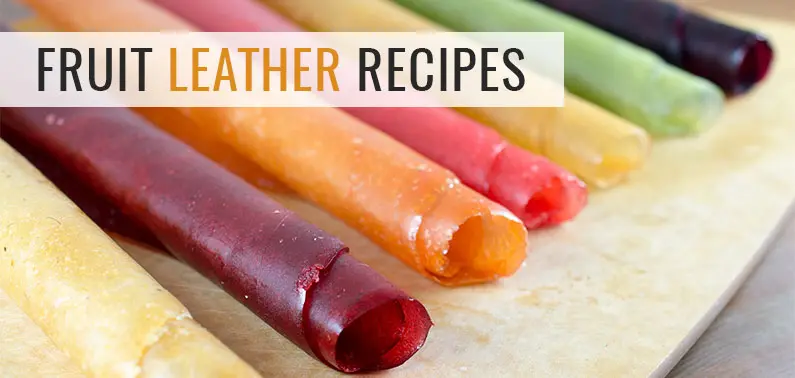
Dehydrator Fruit Leather Recipe
A simple and healthy way to make homemade fruit leather using a dehydrator, perfect for a quick snack or breakfast topping. This recipe is a must-try for any occasion.
🥘Ingredients
- 4 cups mixed fresh fruits (e.g., strawberries, mango, pineapple, or apples)
- 2 tbsp honey or maple syrup (optional)
- 1 tsp lemon juice (to prevent browning)
- 1 tsp vanilla extract (optional)
👨🍳Directions
-
1
Wash and chop the fruits into small, even pieces. Blend or process them until smooth, adding honey/maple syrup and lemon juice as needed. Stir in vanilla extract if using. -
2
Pour the fruit mixture into a large bowl and let it sit for 10 minutes to allow the juices to thicken slightly. -
3
Line a dehydrator tray with silicone mats or parchment paper. Pour the fruit mixture evenly onto the mats, spreading it into thin, even sheets (about 1/8 inch thick). -
4
Place the trays in the dehydrator and set the temperature to 135°F (57°C). Dehydrate for 2 to 4 hours, checking occasionally to ensure even drying. The fruit leather is done when it is leathery and no longer sticky.
🔧Equipment
- Food processor or blender
- Dehydrator
- Large silicone mats or parchment paper
- Mixing bowls
- Measuring cups and spoons
📊Nutrition Facts (per serving)
📝Notes
Tips
- For extra flavor, add a pinch of cinnamon or a few drops of fruit extract.
- Store in an airtight container at room temperature for up to 2 weeks, or freeze for longer storage.
- Experiment with different fruit combinations for variety.
Watch Video Of How Dehydrator Fruit Leather Recipe Works
❓ Frequently Asked Questions About Dehydrator Fruit Leather
What temperature should I set my dehydrator for making fruit leather?
For the best results, set your dehydrator to 135°F (57°C). This low and slow temperature ensures the fruit retains its natural sweetness and texture while gently drying it out. Avoid higher temperatures, as they can cause the fruit to become mushy or lose its vibrant color.
—
How long does it typically take to dehydrate fruit leather?
The drying time depends on the fruit type and thickness, but most fruit leathers take 4 to 8 hours to fully dehydrate. Thin sheets dry faster, while thicker ones may need up to 12 hours. Check periodically—it’s ready when it’s leathery but still pliable.
—
Can I use any type of fruit to make fruit leather?
While many fruits work, some are better suited than others. Apples, peaches, mangoes, strawberries, and bananas are classic choices due to their natural sweetness and soft texture. Avoid overly fibrous fruits (like pineapple) or those with high water content (like watermelon) unless pre-processed. For tangy flavors, try citrus peels (like orange or lemon) in small amounts.
—
Do I need to add any extra ingredients like sugar or pectin to make fruit leather?
Traditional fruit leather recipes often include 1–2 tablespoons of sugar per cup of fruit pulp to enhance sweetness and help with binding. If your fruit is very tart (like blueberries), a small amount of pectin or a splash of honey can improve texture. For a “no-sugar” version, pureed dates or a touch of maple syrup can work as natural sweeteners.
—
How do I prevent the fruit leather from sticking to the dehydrator trays?
To avoid sticking, spread the fruit pulp very thinly (about ¼-inch thick) and use parchment paper or silicone mats under the trays. For extra protection, lightly grease the trays with a thin layer of oil or spray with non-stick cooking spray. If the leather starts sticking, gently peel it off and let it dry a bit longer.

