
recipe using queso fresco


- The Best recipe using queso fresco
- Queso Fresco Stuffed Peppers with Crispy Chorizo
- 🥘Ingredients
- 👨🍳Directions
- 🔧Equipment
- 📊Nutrition Facts (per serving)
- 📝Notes
- Watch Video Of How Queso Fresco Stuffed Peppers with Crispy Chorizo Works
- ❓ Frequently Asked Questions About Queso Fresco Stuffed Peppers with Crispy Chorizo
The Best recipe using queso fresco
My family loves it because it’s something we can make together, and it’s always a hit. The kids get to help measure and mix, and it’s a great way to sneak in some extra veggies if you’re not feeling fancy. For me, it’s a health boost too—queso fresco is lower in fat than regular cheese, and it’s packed with protein and calcium. It’s not heavy, but it still gives that satisfying cheesy flavor without all the guilt. Plus, it’s perfect for meal prep; you can make a big batch ahead and keep it in the fridge for days, so you’re always got something quick and tasty on hand. Whether you’re serving it as a dip, a topping, or even in a wrap, it’s always a crowd-pleaser. And honestly, there’s nothing like the smell of freshly made queso filling the kitchen—it’s just pure comfort food.
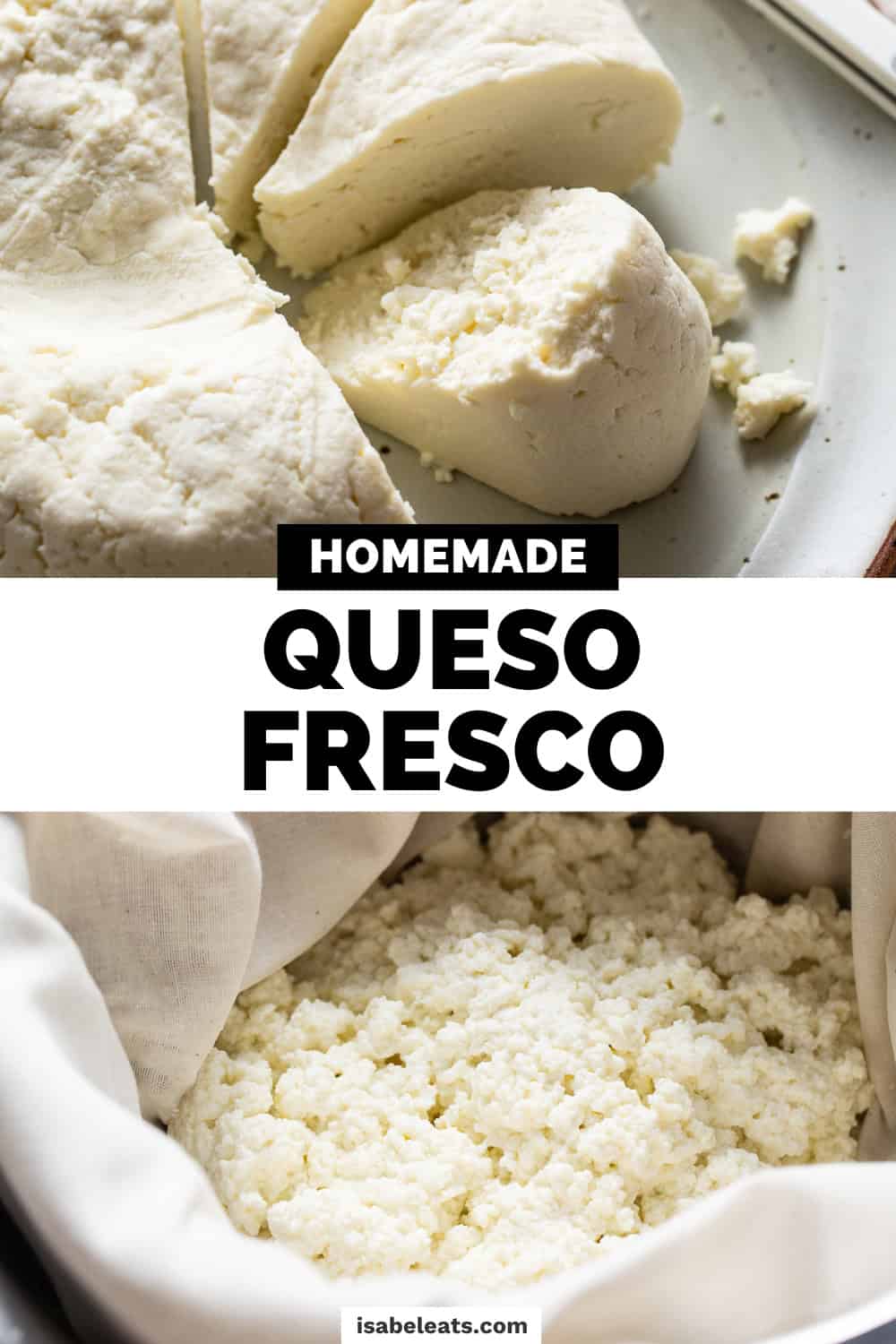
Queso Fresco Stuffed Peppers with Crispy Chorizo
A flavorful and healthy dish featuring stuffed bell peppers filled with a creamy queso fresco mixture and topped with crispy chorizo. Perfect for a quick weeknight meal!
🥘Ingredients
- 4 large bell peppers (any color), tops cut off and seeds removed
- 1 tbsp olive oil
- 1 cup cooked quinoa
- 1 cup shredded cheddar cheese
- ½ cup crumbled queso fresco
- ½ cup diced tomatoes
- ¼ cup chopped fresh cilantro
- 1 tsp cumin
- ½ tsp garlic powder
- Salt and pepper to taste
- ½ lb crumbled chorizo
- 1 tbsp olive oil
- ½ tsp smoked paprika
- Salt to taste
👨🍳Directions
-
1
Preheat oven to 375°F (190°C). Cut the tops off the bell peppers and remove seeds. Lightly brush with olive oil and set aside. -
2
In a bowl, mix cooked quinoa, shredded cheddar cheese, queso fresco, diced tomatoes, cilantro, cumin, garlic powder, salt, and pepper. -
3
In a separate bowl, combine crumbled chorizo, olive oil, smoked paprika, and salt. Heat in a pan until crispy. -
4
Stuff each bell pepper with the quinoa mixture and place on a baking sheet. Top each pepper with a spoonful of crispy chorizo. -
5
Bake for 25-30 minutes until peppers are tender and chorizo is golden.
🔧Equipment
- Mixing bowls
- Knife and cutting board
- Baking sheet
- Oven
- Food processor (optional)
📊Nutrition Facts (per serving)
📝Notes
Tips
- For extra flavor, add a pinch of cayenne pepper to the chorizo mixture.
- Substitute quinoa with brown rice or cauliflower rice for a lower-carb option.
- Garnish with a sprinkle of extra queso fresco and fresh parsley before serving.
Variations
- Add black beans or lentils to the filling for a heartier meal.
- Use a mix of cheddar and Monterey Jack cheese for a milder flavor.
Watch Video Of How Queso Fresco Stuffed Peppers with Crispy Chorizo Works
❓ Frequently Asked Questions About Queso Fresco Stuffed Peppers with Crispy Chorizo
What is queso fresco, and how does it differ from other types of cheese like feta or cotija?
Queso fresco is a fresh, mild Mexican cheese made from cow’s or goat’s milk, lightly salted and pressed into blocks. Unlike feta (which is salty and aged) or cotija (drier and crumbly), queso fresco has a soft, crumbly texture and a delicate, slightly tangy flavor. It’s often used in salads, tacos, and as a topping for dishes like nachos or grilled meats.
—
Can I substitute another type of cheese for queso fresco in this recipe, and if so, what are the best alternatives?
Yes, you can substitute queso fresco with similar textures and mild flavors. The best alternatives include:
– Ricotta (for a creamier, softer texture, use in place of queso fresco in equal amounts).
– Feta (for a salty, crumbly option, but reduce the salt level if your recipe already has added salt).
– Cotija (for a drier, sharper taste, use in smaller quantities).
– Mozzarella (for a stretchy texture, but it’s milder—add a pinch of salt if needed).
—
How should I store queso fresco to keep it fresh and prevent it from drying out?
To store queso fresco properly:
– Keep it in an airtight container in the refrigerator.
– Wrap it loosely in plastic wrap or a damp paper towel to retain moisture.
– Consume within 1–2 weeks for the best texture and flavor.
– If it develops a grayish film, it’s still safe to eat (it’s just natural mold growth on the surface).
—
Why does my queso fresco turn mushy or watery after cooking? How can I prevent this?
Queso fresco can soften or turn watery when cooked because it’s very delicate. To avoid this:
– Use cold water when draining it—hot water can cause it to melt.
– Press it gently with a clean kitchen towel or cheese cloth while draining to remove excess liquid.
– Add it to dishes at the end (like tacos or salads) instead of cooking it directly.
– If melting is unavoidable, stir in a little cornstarch slurry (1 tsp cornstarch + 1 tbsp water) to thicken it slightly.
—
Can I make queso fresco from scratch at home, and what are the ingredients and steps are required?
Yes! Here’s a simple homemade recipe:
Ingredients:
– 2 cups whole milk (warm)
– 1 tbsp plain yogurt (or buttermilk)
– 1 tsp white vinegar or lemon juice
– ½ tsp salt
– Optional: 1 tsp sugar (to balance acidity)
Steps:
1. Heat milk in a saucepan until it reaches 180°F (82°C)—just before it boils.
2. Remove from heat, stir in yogurt, vinegar, and salt.
3. Let it sit for 5–10 minutes until it thickens into a curdled mixture.
4. Pour into a colander lined with cheesecloth, cover, and let drain for 2–4 hours (or overnight for firmer texture).
5. Press gently to remove excess liquid, then cut into cubes and store in the fridge.
—
