
sourdough ciabatta recipe


The Best sourdough ciabatta recipe
I love this recipe because it’s forgiving yet rewarding—great for beginners who want to try sourdough without the stress of overnight proofs or perfect hydration. It’s also surprisingly healthy for what it is. The whole-grain flour and natural fermentation give it more nutrients than store-bought loaves, and the process itself is a gentle way to introduce probiotics into your diet. Plus, it’s versatile: a warm, crusty base for sandwiches, a vessel for toppings, or just a satisfying side to any meal. My family loves it for everyday dinners, but it also shines when we’re hosting—something light to serve with a charcuterie board or a simple pasta dish. The key is letting it rise properly, and once you nail that, you’ll have a loaf that’s as dependable as it is delicious.
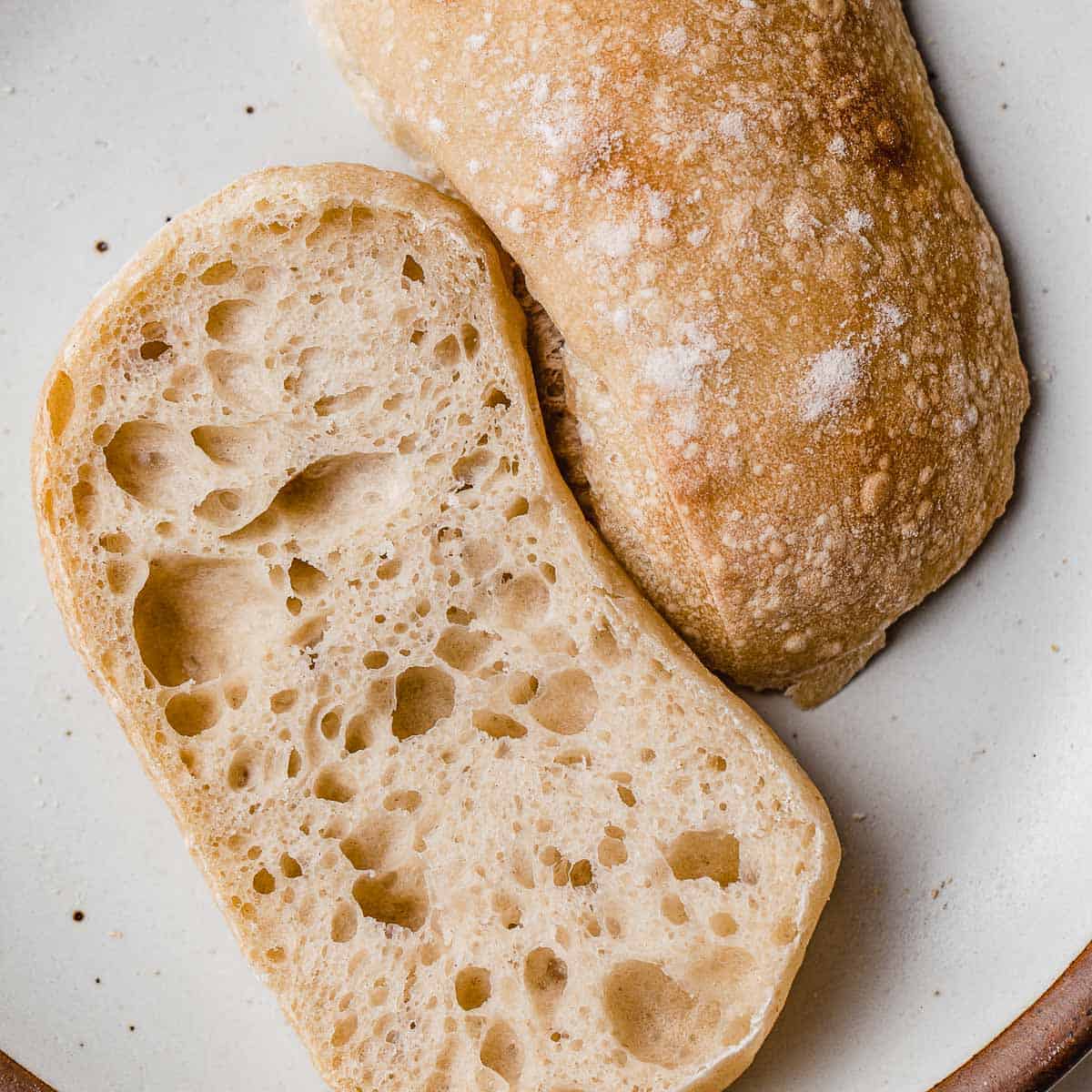
Easy Sourdough Ciabatta
A light, airy Italian bread with a crisp crust and soft interior, perfect for sandwiches or dipping. This recipe is a must-try for any occasion.
🥘Ingredients
- 3 cups bread flour
- 1 cup warm water (110°F)
- 1 tbsp active sourdough starter
- 1 tsp salt
- 1 tbsp olive oil
- 1 cup whole milk
- 1 tbsp honey
- 1 tsp Dijon mustard
👨🍳Directions
-
1
Mix warm water, sourdough starter, and olive oil in a bowl. Let sit for 10 minutes to activate. -
2
In a large bowl, combine flour and salt. Add the starter mixture and knead for 10 minutes until smooth and elastic. -
3
Place dough in a lightly oiled bowl, cover, and let rise in a warm place for 1 hour or until doubled. -
4
Preheat oven to 475°F. Punch down dough and shape into a loose ball. Place in a greased Dutch oven, cover, and let rise for 30 minutes. -
5
Carefully transfer dough to a baking sheet. Use a sharp knife to cut slashes (about 1-inch deep) around the edges and halfway through the dough. -
6
Bake in the preheated oven for 25 minutes. Remove the lid and bake for another 15–20 minutes until golden brown.
🔧Equipment
- Mixing bowls
- Stand mixer or kitchen aid
- Dutch oven
- Baking sheet
- Towel
📊Nutrition Facts (per serving)
📝Notes
- For a glaze, heat milk, honey, and mustard until dissolved. Brush over baked ciabatta.
- Ensure your starter is bubbly and active for best results.
- Let the dough rest after shaping to improve texture.
Watch Video Of How Easy Sourdough Ciabatta Works
❓ Frequently Asked Questions About Sourdough Ciabatta
How long does it take to make traditional sourdough ciabatta?
Traditional sourdough ciabatta takes about 12 to 16 hours of active time, including overnight fermentation. The dough needs 24 to 36 hours total from start to finish, including bulk fermentation, shaping, and proofing. The long fermentation develops deep flavor and a soft, airy texture.
Can I use store-bought sourdough starter instead of a wild yeast starter for this recipe?
Yes, you can use a store-bought sourdough starter (like active dry yeast or a ready-made starter) if you adjust the fermentation time. For a wild yeast starter, aim for 48 hours of bulk fermentation, while store-bought can often be used in 12 to 24 hours. Keep an eye on the texture—it should be slightly sticky but not overly doughy.
What if my dough doesn’t rise enough during the final proof?
If the dough doesn’t rise well, try these fixes:
– Increase proofing time by 30 to 60 minutes, checking every 30 minutes.
– Check the temperature—ciabatta flour needs warmth (75°F to 85°F) to rise properly.
– Use more water (add 1 to 2 tablespoons) if the dough feels too dry.
– Rest before shaping—let the dough rest 30 minutes after the first rise to relax the gluten.
How do I prevent the ciabatta from becoming too dense?
To keep ciabatta light and airy:
– Don’t overmix after kneading—stop when the dough is slightly sticky.
– Use a high-hydration dough (65% to 75% water) for a softer crumb.
– Proof in a warm, humid place (like a covered bowl on the counter) to encourage expansion.
– Stretch and fold gently during bulk fermentation to strengthen the structure without compacting it.
Can I make this recipe ahead of time and bake it later?
Yes, but shape and proof the dough 12 to 24 hours ahead. Store it in an airtight container at room temperature or refrigerate for up to 2 days. When ready to bake, let it sit at room temperature for 2 hours before shaping and proofing again. Bake immediately after the second rise for best texture.

