
easy recipe pork


The Best easy recipe pork
I love this recipe because it’s a great way to use up leftover pork—whether it’s from a roast or a favorite cut—and it’s versatile enough to serve at a casual get-together or as a comforting family meal. The health benefits? Pork is a leaner protein compared to red meats like beef, and when cooked right, it stays moist and packed with flavor without being heavy. Plus, the spices and herbs in this dish add depth without needing a lot of extra ingredients, so it’s budget-friendly too. My kids and I enjoy it as a main dish or even as part of a larger spread, and honestly, it never disappoints.
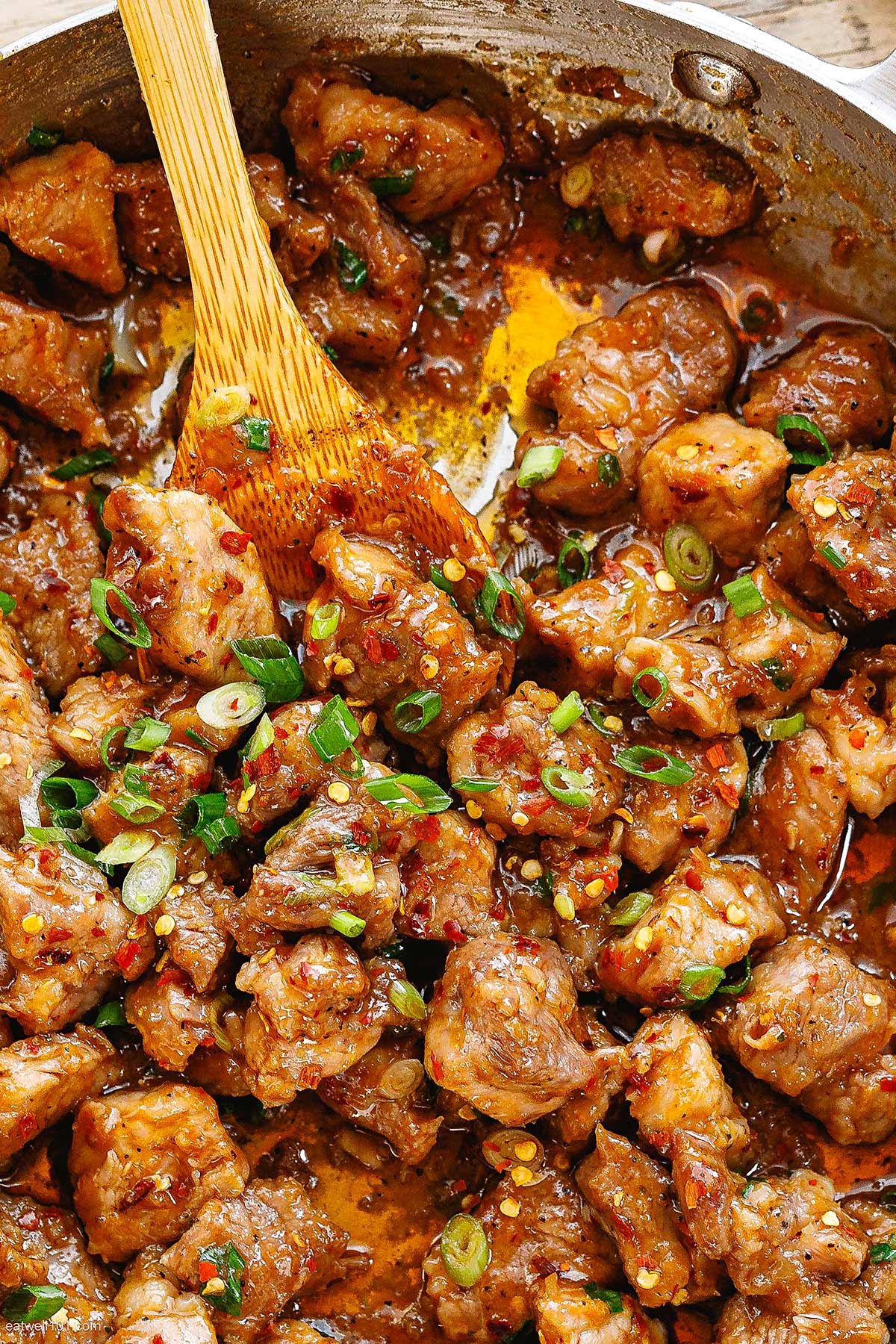
Easy Pork and Vegetable Stir-Fry with Rice
A quick, flavorful dish featuring tender pork stir-fried with crisp vegetables and served over fluffy rice. Perfect for a weeknight meal with minimal effort.
🥘Ingredients
- 1 lb boneless pork shoulder, thinly sliced
- 2 tbsp soy sauce
- 1 tbsp sesame oil
- 1 tsp minced garlic
- 1 tsp grated ginger
- 2 cups broccoli florets
- 1 bell pepper, sliced
- 1 carrot, julienned
- 2 tbsp vegetable oil
- 2 tbsp oyster sauce
- 1 tbsp honey
- 1 tbsp rice vinegar
- 1 tsp sriracha (optional)
👨🍳Directions
-
1
Heat vegetable oil in a large skillet over medium-high heat. Add sliced pork and cook until browned and cooked through (about 4–5 minutes). Remove pork and set aside. -
2
In the same skillet, add broccoli, bell pepper, and carrot. Stir-fry for 4–5 minutes until vegetables are tender-crisp. Return pork to the skillet. -
3
In a small bowl, whisk together soy sauce, sesame oil, garlic, ginger, oyster sauce, honey, rice vinegar, and sriracha. Pour over the pork and vegetables, tossing to coat evenly. -
4
Cook for another 2–3 minutes until flavors meld. Serve hot over steamed rice.
🔧Equipment
- Large skillet or wok
- Cutting board
- Mixing bowl
📊Nutrition Facts (per serving)
📝Notes
Watch Video Of How Easy Pork and Vegetable Stir-Fry with Rice Works
❓ Frequently Asked Questions About Pork and Vegetable Stir-Fry with Rice
1. What is the best way to ensure the pork is cooked through without drying out?
Yes, the key is to avoid overcooking. Cook the pork to an internal temperature of 145°F (63°C) using a meat thermometer. Rest it for 10 minutes before slicing—this helps retain juices. If you don’t have a thermometer, a good rule is to cook it until it reaches just under medium-rare (135°F–140°F) for thicker cuts like pork chops, then let it rest.
2. Can I substitute any of the ingredients if I don’t have garlic or onion?
Absolutely. Skip the garlic and onion entirely—this recipe works well without them. If you’d like extra depth, try a pinch of smoked paprika or a dash of soy sauce to mimic the savory flavor. For a milder taste, omit them completely and rely on the pork’s natural richness.
3. How long should I cook the pork for each side?
For a 1-inch-thick cut like pork chops, cook each side for 4–5 minutes at 375°F (190°C) until the edges brown and the internal temp reaches 145°F. For thicker cuts (like roasts), aim for 10–12 minutes per side (or until the internal temp hits 140°F–145°F). Adjust based on your oven’s heat—some ovens cook faster than others.
4. What if I don’t have a baking sheet? Can I use another pan?
Yes, you can transfer the pork to a nonstick skillet or even a griddle for a crispier finish. Just preheat it to 375°F (190°C) first, then cook the pork in batches if needed. Avoid high heat to prevent burning the sauce before the pork cooks through.
5. How can I make this recipe even more flavorful if I want to experiment?
For extra depth, try these swaps:
– Spices: Add ½ teaspoon cumin, ½ teaspoon coriander, or a pinch of cayenne for heat.
– Acidity: A splash of apple cider vinegar or lemon juice brightens the sauce.
– Herbs: Fresh thyme or rosemary (if you like them) can elevate the dish. Just stir them in at the end to avoid wilting.


