
fish sauce recipe


The Best fish sauce recipe
The health benefits make it even more appealing. Fish sauce is packed with omega-3s, which are great for heart and brain health, and it’s a natural way to boost the flavor of meals without adding extra salt. My husband swears by it in his soups and sauces, and my kids never complain about the slight tang—it just makes everything taste better. Plus, it’s a great way to use up small amounts of anchovies you might have on hand. It’s simple, practical, and something you can enjoy every day without feeling like it’s a big deal.
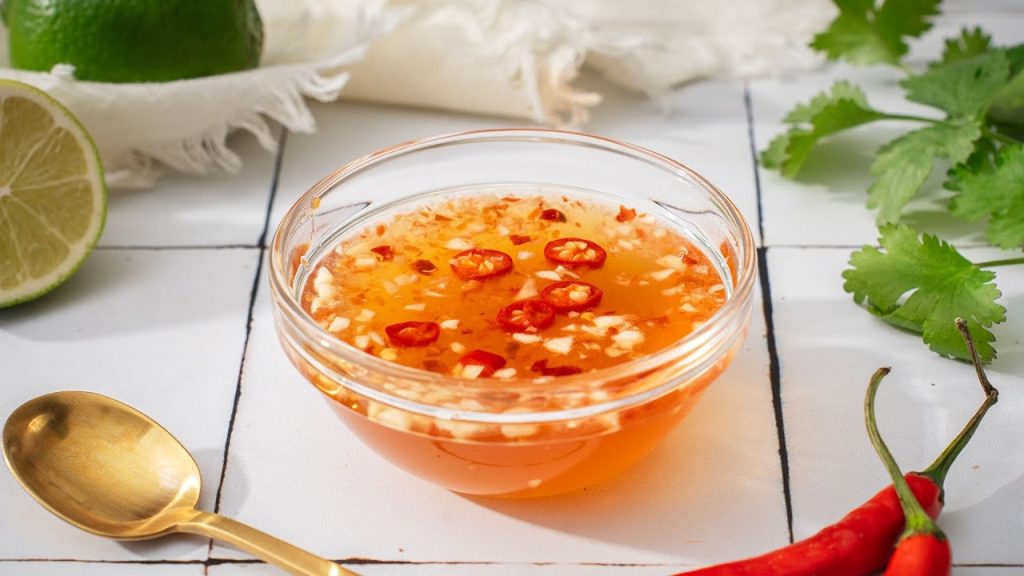
Homemade Fish Sauce: Simple and Flavorful
A classic homemade fish sauce recipe that captures the rich, umami depth of fermented seafood. Perfect for marinades, dressings, and enhancing savory dishes with a bold, tangy flavor.
🥘Ingredients
- 1 lb fresh anchovies or sardines (whole, cleaned)
- 1 cup rice vinegar
- 1 cup water
- 1 tsp salt
- 1 large fine-mesh strainer
- 1 clean glass jar (16 oz)
- Cheesecloth or paper towels
👨🍳Directions
-
1
Rinse the anchovies or sardines thoroughly under cold water to remove any impurities. Pat them dry with a clean towel. -
2
In a mixing bowl, combine the cleaned fish, rice vinegar, water, and salt. Stir gently to distribute the salt evenly. -
3
Transfer the mixture to a clean glass jar and seal it tightly. Place the jar in a warm, dark place (like a cabinet) for 24 hours to start the fermentation process. -
4
After 24 hours, remove the jar from the warm spot and let it sit at room temperature for another 24 hours. Stir occasionally to ensure even fermentation. -
5
Once fully fermented (after about 24–48 hours), strain the mixture through a fine-mesh strainer into a clean jar, pressing down on the solids to extract as much liquid as possible. Discard the solids or save them for another use. -
6
Strain the liquid through cheesecloth or paper towels to remove any remaining solids. Pour the strained liquid back into the jar and store it in a cool, dark place.
🔧Equipment
- Mixing bowl
- Fine-mesh strainer
- Clean glass jar
- Cheesecloth
📊Nutrition Facts (per serving)
📝Notes
- Fermentation times can vary based on temperature and humidity. For faster results, keep the jar in a slightly warmer environment.
- For a smoother sauce, blend the strained liquid with an immersion blender before storing.
- This sauce will continue to develop flavor over time. Use within 6 months for best results.
Watch Video Of How Homemade Fish Sauce: Simple and Flavorful Works
❓ Frequently Asked Questions About Fish Sauce: and Flavorful
How do I adjust the saltiness of the fish sauce if I prefer a milder taste?
Yes, you can reduce the saltiness by adding a bit more water (about 1–2 tablespoons) when making the sauce. Simmer it for an extra 10–15 minutes to dilute the concentration further. Alternatively, you can strain out some of the liquid if you’re using a fine-mesh sieve to remove excess saltiness without altering the flavor significantly.
—
Can I use a different type of fish for this recipe, and if so, which ones work best?
While anchovies are traditional, you can experiment with other small, fatty fish like mackerel, sardines, or even bonito flakes. These alternatives will still yield a rich, umami base but may vary slightly in depth of flavor. If using a non-anchovy fish, ensure it’s fresh and high-quality to avoid a strong fishy aftertaste.
—
How long should I let the fish sauce ferment before using it?
For best results, let the fish sauce ferment for at least 4–6 weeks in a sealed container in a cool, dark place. The longer it ferments (up to 3–6 months), the deeper and more complex the flavor becomes. Avoid rushing the process—patience is key to achieving that classic, balanced taste.
—
What should I do if the fish sauce turns cloudy or develops mold during fermentation?
If you notice cloudiness or mold, discard the batch immediately. Cloudiness can sometimes clear up if you strain it, but mold indicates spoilage and poses a risk of contamination. To prevent issues, use only fresh fish, keep the container clean, and ensure the fish is fully submerged in the liquid to avoid air exposure.
