
asian shrimp recipe

The Best asian shrimp recipe
I love this recipe because it’s so versatile. It’s perfect for a weeknight dinner when you’re tired but still want something flavorful, or it’s just as good for a casual family gathering where everyone’s hungry. My kids love it because it’s light but satisfying—no heavy sauces, just bright, zesty flavors that make them feel like they’re getting something special. And honestly, the health benefits are a bonus. Shrimp is lean protein, packed with omega-3s, and the way we cook them usually keeps the carbs in check. It’s not just filling; it’s actually good for you in a way that feels indulgent. Plus, the kids don’t even realize they’re eating something nutritious because it’s so tasty. It’s that kind of recipe that makes me feel good about feeding my family.
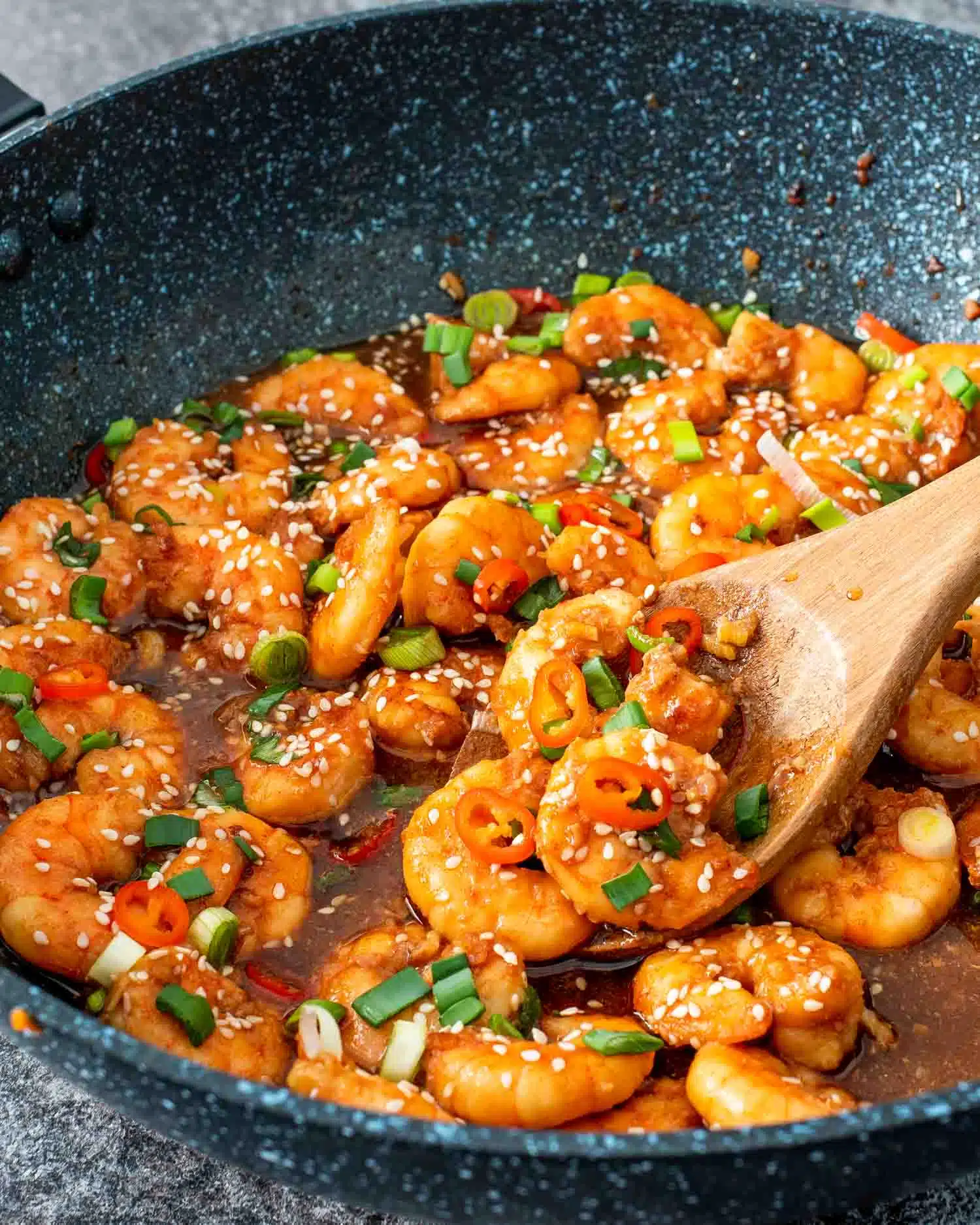
Garlic Butter Asian Shrimp with Jasmine Rice
A flavorful dish featuring succulent shrimp sautéed in a garlicky butter sauce, served with fragrant jasmine rice. Quick, delicious, and perfect for a weeknight meal.
🥘Ingredients
- 1 lb (450g) large shrimp, peeled and deveined
- 3 tbsp butter, melted
- 2 tbsp soy sauce
- 1 tbsp rice vinegar
- 1 tsp sesame oil
- 1 tsp minced garlic
- 1 tsp grated ginger
- 1/2 tsp red pepper flakes (optional)
- 1 cup jasmine rice
- 1.5 cups water
- 1 tsp salt
- 1/4 cup chopped green onions
- 1/4 cup sliced scallions
- 1/4 cup chopped cilantro
- 1 tbsp toasted sesame seeds
👨🍳Directions
-
1
Rinse the jasmine rice thoroughly under cold water, then drain. In a rice cooker or pot, combine rice, water, and salt. Cook according to package instructions until rice is tender and water is absorbed. -
2
In a large skillet, heat 1 tbsp butter over medium-high heat. Add the shrimp in a single layer and cook for 1-2 minutes per side until pink. Remove shrimp and set aside. -
3
In the same skillet, add the remaining 2 tbsp melted butter. Sauté garlic, ginger, and red pepper flakes for 30 seconds until fragrant. Pour in soy sauce and rice vinegar, stirring to combine. -
4
Return the shrimp to the skillet, coating them in the sauce. Cook for another 2-3 minutes until the sauce thickens slightly. -
5
Divide the cooked jasmine rice into bowls. Top each serving with shrimp and sauce. Garnish with chopped green onions, scallions, cilantro, and sesame seeds.
🔧Equipment
- Large skillet or wok
- Rice cooker or pot with lid
- Mixing bowls
- Knife and cutting board
- Measuring spoons
📊Nutrition Facts (per serving)
📝Notes
- For extra flavor, add a splash of sriracha or chili garlic sauce to the shrimp sauce.
- Ensure shrimp are cooked through to avoid any raw bits.
- Substitute regular rice with brown rice for added fiber and nutrients.
Watch Video Of How Garlic Butter Asian Shrimp with Jasmine Rice Works
❓ Frequently Asked Questions About Garlic Butter Asian Shrimp with Jasmine Rice
What is the best way to prepare fresh asian shrimp for cooking?
To prepare fresh Asian shrimp for cooking, start by cleaning them thoroughly. Rinse them under cold water and pat them dry with paper towels. Remove the head, tail, and any remaining shell pieces, leaving the body intact. You can also remove the vein (if you prefer) by gently pulling it out from the back. For cooked shrimp, it’s best to leave the shell on for presentation, but you can peel them if you prefer.
How do I know if the fresh Asian shrimp are fresh enough to use?
Fresh Asian shrimp should have a firm, slightly translucent body with a mild, briny odor. Avoid shrimp that smell overly fishy, are mushy, or have a cloudy or discolored body. Check for any signs of freezing damage (ice crystals) if buying frozen shrimp. If unsure, opt for shrimp that are packed in ice or have a “best before” date within the last few days.
What are the common cooking methods for Asian shrimp and which is best for their texture?
Common cooking methods for Asian shrimp include:
– Sautéing (Stir-frying): Quick-cooking method that keeps shrimp tender and flavorful. Use high heat and a little oil to prevent sticking.
– Boiling: Great for whole shrimp (like in Laksa or Shrimp Curry), but can make them rubbery if overcooked. Cook for 3–5 minutes until pink.
– Grilling: Adds smoky flavor but can dry out shrimp if not monitored. Best for medium-sized shrimp (30–40mm).
– Poaching: Gentle method for delicate shrimp (e.g., in broth or citrus juice) to retain moisture.
– Baking: Works well for shrimp skewers or in dishes like Shrimp Stir-Fry, but requires careful timing to avoid overcooking.
How do I avoid overcooking or drying out Asian shrimp while cooking?
To keep shrimp tender and juicy:
– Cook quickly at high heat (sautéing or grilling) to prevent overcooking.
– Don’t overcrowd the pan—cook shrimp in batches if needed to maintain high heat.
– Use a little oil or butter to create a barrier between shrimp and the pan.
– Check for doneness by cutting into the thickest part—it should be opaque but still slightly translucent.
– For boiling/poaching, remove shrimp from the liquid immediately after cooking to stop cooking.
Can I use frozen Asian shrimp instead of fresh, and how do they compare in taste and texture?
Yes, frozen Asian shrimp are a great alternative and often more affordable. They can be just as tasty if thawed properly:
– Thawing: Place frozen shrimp in the fridge overnight or use cold water (change water every 30 minutes) to avoid bacteria.
– Texture: Frozen shrimp may be slightly firmer than fresh, but they hold up well in stir-fries, sautéing, or grilling. Some brands (like Thai Market or Kroger) use high-quality shrimp that freeze well.
– Flavor: Freezing doesn’t degrade flavor significantly if done correctly, but avoid shrimp with ice crystals or freezer burn. For best results, use them within 6–12 months of freezing.


