
baby bok choy recipe

The Best baby bok choy recipe
What really makes this recipe work for me is how easy it is to customize. You can toss it in a wok with garlic, ginger, and a splash of fish sauce for a quick stir-fry, or slow it down with a little coconut milk and turmeric for a soothing soup. My kids love the way it stays crisp-tender even after cooking, and my husband swears it’s the best way to get his daily veggies in without even trying. Plus, it’s packed with nutrients—low in calories but high in vitamins A, C, and K, plus fiber and antioxidants. That means it’s a great way to keep things healthy without feeling like a chore. Whether you’re feeding a family or just treating yourself, this dish is a reliable way to make meals feel fresh and nourishing, no matter the occasion.
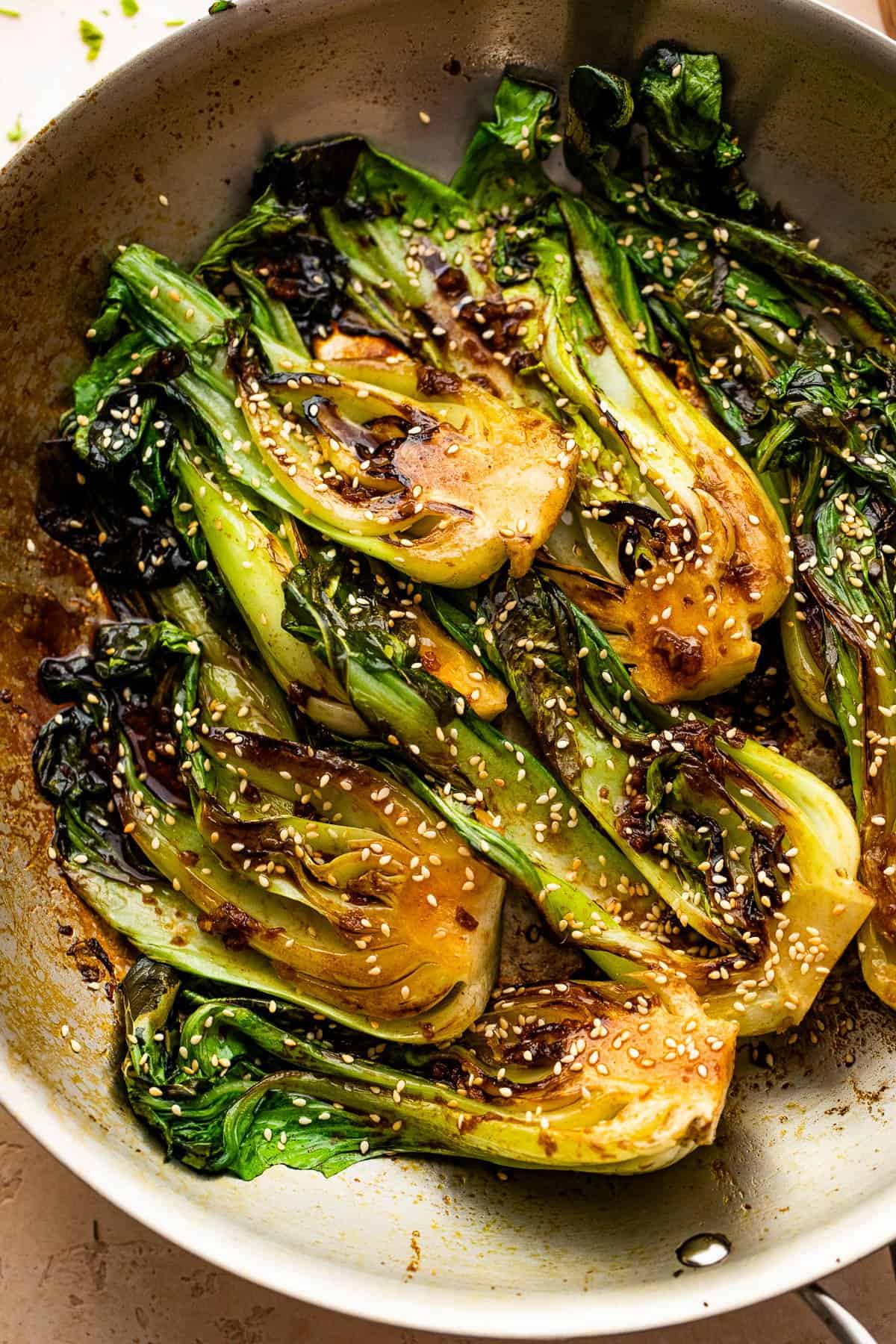
Baby Bok Choy Stir-Fry with Garlic Sauce
A quick and nutritious dish featuring tender baby bok choy stir-fried in a savory garlic sauce, perfect for a healthy meal for babies and adults alike. This recipe is a must-try for any occasion.
🥘Ingredients
- 400g baby bok choy, trimmed and washed
- 1 tbsp olive oil
- 2 cloves garlic, minced
- 1 tbsp soy sauce (low-sodium for baby food)
- 1 tsp honey or sugar (optional, for sweetness)
- ½ tsp ginger, grated
- ½ tsp sesame oil
- 1 tsp cornstarch mixed with 1 tbsp water
👨🍳Directions
-
1
Preheat a stir-fry pan over medium-high heat. Add olive oil and heat for 30 seconds. -
2
Add minced garlic and grated ginger to the pan. Stir for about 30 seconds until fragrant. -
3
Add baby bok choy to the pan in a single layer. Stir-fry for 3-4 minutes until tender-crisp. -
4
In a small saucepan, combine soy sauce, honey/sugar, and cornstarch with water. Simmer for 1-2 minutes until slightly thickened. -
5
Pour the sauce over the bok choy in the pan. Stir well and cook for another 1-2 minutes. Add sesame oil just before serving.
🔧Equipment
- Stir-fry pan or non-stick skillet
- Small saucepan
- Mixing bowls
- Wooden spoon
- Fine-mesh strainer (optional, for extra smoothness)
📊Nutrition Facts (per serving)
📝Notes
Tips
- For babies under 6 months, ensure the sauce is very mild and finely chopped. You can blend the sauce slightly for a smoother texture.
- Use low-sodium soy sauce to reduce sodium content. Adjust sweetness with a tiny bit of honey if needed.
- Serve with a small portion of steamed white rice or quinoa for a balanced meal.
Adaptations
- For a quicker version, use pre-minced garlic and ginger.
- For extra flavor, add a pinch of turmeric or a dash of fish sauce (ensure it’s baby-friendly and low in sodium).
Watch Video Of How Baby Bok Choy Stir-Fry with Garlic Sauce Works
❓ Frequently Asked Questions About Baby Bok Choy Stir-Fry with Garlic Sauce
What is the best way to prepare baby bok choy before cooking?
Baby bok choy should be thoroughly rinsed under cold water to remove any dirt or debris, then patted dry with a clean kitchen towel. If the stems are thick, you can trim them to about 1-inch (2.5 cm) length for even cooking.
Why does my baby bok choy turn mushy when cooking?
Mushiness often occurs when overcooking or using too much water. To prevent this, cook bok choy in small batches in a dry or lightly oiled pan over medium heat. Alternatively, stir-fry it quickly with a bit of oil and high heat to retain its crisp texture.
Can I substitute other greens for baby bok choy in this recipe?
Yes, you can use other leafy greens like Chinese broccoli, gai lan (Chinese celery), or even baby spinach, but baby bok choy’s mild, slightly sweet flavor and tender stems make it a great standout. Adjust cooking times if using thicker greens.
How long should I cook baby bok choy for stir-frying?
Baby bok choy cooks quickly—about 2 to 3 minutes per side in a hot pan with oil. Stir-fry until the stems are tender-crisp and the leaves are wilted but still bright green.
What are the best cooking methods for baby bok choy besides stir-frying?
Besides stir-frying, baby bok choy can be steamed (for 3–4 minutes until tender), sautéed with garlic and ginger, or even lightly pan-fried with a bit of soy sauce for a quick side dish. Avoid boiling, as it can make it soggy.

