
beef cheek recipe

The Best beef cheek recipe
What I also really appreciate about beef cheek is how it’s packed with nutrients. Lean cuts of beef like this are a great source of protein, iron, and zinc, which helps keep everyone in the family strong and energized. It’s not heavy or greasy if you cook it just right, and the slow cooking process breaks down the connective tissue into collagen, making it incredibly tender. My husband and I both swear by it for meal prep—we can make a big batch on Sunday and have it ready for lunches or quick dinners all week. Plus, it’s budget-friendly compared to other cuts, so it’s a way to feed a crowd without breaking the bank. And honestly? It’s a dish that feels like a treat, even if it’s just for everyday eating. My kids don’t even realize they’re getting healthy food—they just know it’s delicious.
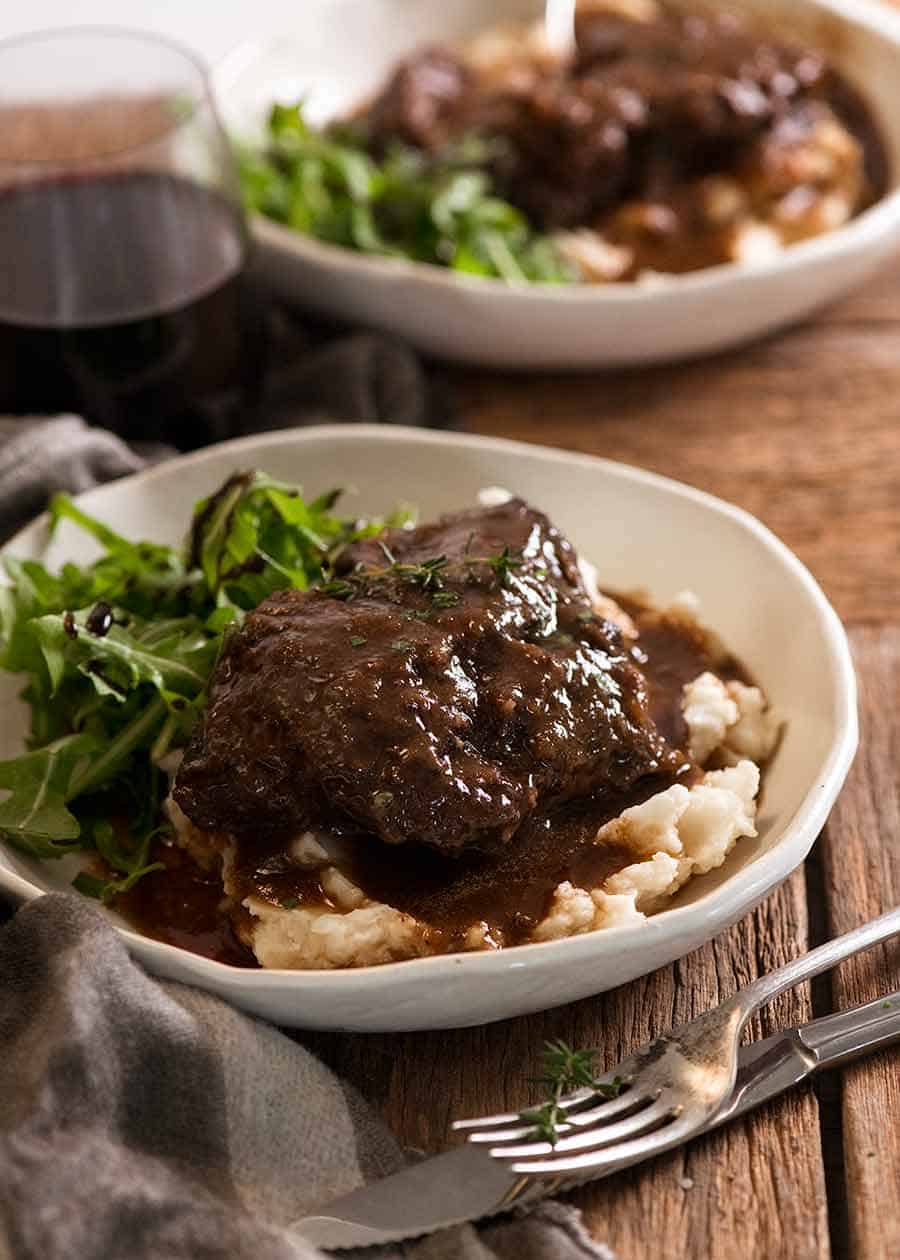
Beef Cheek Braised Stew with Red Wine Sauce
A rich, tender beef stew made with beef cheek, slow-cooked in a flavorful red wine sauce with carrots, onions, and herbs. Perfect for a hearty meal.
🥘Ingredients
- 2 lbs beef cheek (or chuck), trimmed
- 2 tbsp olive oil
- 2 tbsp tomato paste
- 1 large onion, diced
- 3 garlic cloves, minced
- 2 carrots, sliced
- 1 cup red wine (dry)
- 1 cup beef broth
- 1 cup water
- 1 tsp dried thyme
- 1 tsp dried rosemary
- 1 bay leaf
- Salt and black pepper to taste
- Fresh parsley, chopped
- Crusty bread or crusty baguette
👨🍳Directions
-
1
Preheat oven to 325°F (165°C). In a large Dutch oven, heat olive oil over medium-high heat. Season beef cheek with salt and pepper, then sear on all sides until browned (about 3-4 minutes per side). Remove beef and set aside. -
2
In the same pot, add diced onions and cook until softened (5 minutes). Add minced garlic and cook for another minute. Stir in tomato paste and cook for 1 minute until it darkens slightly. -
3
Return the beef cheek to the pot. Pour in red wine, stirring to deglaze the pot. Add beef broth, water, thyme, rosemary, and bay leaf. Bring to a simmer, then reduce heat to low. -
4
Cover the pot and transfer it to the preheated oven. Braise for 2 hours, or until the beef is fork-tender. Remove the beef and let it rest for 10 minutes before slicing. -
5
Strain the cooking liquid through a fine-mesh sieve to remove any large bits. Return the liquid to the pot and simmer for 5 minutes to thicken the sauce. Adjust seasoning with salt and pepper if needed. -
6
Slice the beef cheek into thick pieces. Serve the beef cheek with the red wine sauce over sliced carrots and garnished with fresh parsley. Serve with crusty bread.
🔧Equipment
- Large Dutch oven or heavy-bottomed pot
- Cutting board
- Sharp knife
- Wooden spoon
- Measuring cups and spoons
- Oven
📊Nutrition Facts (per serving)
📝Notes
Tips
- For extra tenderness, let the beef rest for 10 minutes after removing it from the pot before slicing.
- Use a mix of beef cheek and chuck for a balance of flavor and texture.
- For a lighter sauce, reduce the amount of red wine and add a splash of beef broth.
- Store leftovers in an airtight container in the refrigerator for up to 5 days or freeze for up to 3 months.
Variations
- Add mushrooms or bell peppers for extra flavor.
- Use a splash of balsamic vinegar in the sauce for a tangy twist.
Watch Video Of How Beef Cheek Braised Stew with Red Wine Sauce Works
❓ Frequently Asked Questions About Beef Cheek Braised Stew with Red Wine Sauce
1. What ingredients are typically required for making beef cheek (also known as beef cheek steak or cheek steak)?
Beef cheek is a flavorful cut that can be used in various recipes like stews, braises, or even as a standalone dish. The essential ingredients usually include:
– Beef cheek (trimmed of excess fat if desired)
– Onion, garlic, and sometimes shallots (for flavor)
– Fresh herbs (thyme, rosemary, bay leaves, or parsley)
– Aromatics like carrots, celery, or bell peppers (optional)
– Spices such as black pepper, smoked paprika, or cumin
– Liquid like beef broth, red wine, or tomato paste
– Fat (butter, lard, or bacon fat for richness)
– Salt and pepper (to taste)
2. How long does it take to cook beef cheek, and what’s the best method for achieving tender results?
Cooking beef cheek typically takes 2 to 4 hours, depending on the recipe. The best methods include:
– Slow cooking (braising, stewing, or pot roasting) – this breaks down the connective tissue for tender, fall-apart meat.
– Oven braising – sear first, then simmer in liquid with aromatics for a rich, flavorful result.
– Pressure cooking (Instant Pot or similar) – reduces cooking time to 1 to 1.5 hours while keeping it juicy.
– Long, low heat simmering – ideal for stews or soups where the meat should stay moist and tender.
3. Can beef cheek be used in place of other cuts like beef short ribs or beef shank, and if so, why?
Yes, beef cheek can substitute for beef short ribs or shank in many dishes because:
– It has a similar texture (tender when slow-cooked, firm enough for braising).
– It retains more fat and connective tissue, making it rich and flavorful when simmered.
– It’s more affordable than short ribs or shank while still delivering great results.
– The cheek’s natural fat content helps keep the dish moist, unlike leaner cuts that dry out easily.
4. What are some classic recipes where beef cheek is commonly used?
Beef cheek shines in several traditional and modern dishes, including:
– Beef cheek stew – Slow-cooked with root vegetables, herbs, and broth for a hearty meal.
– Beef cheek braise – Sear first, then braise in wine, tomatoes, and spices for a deep, savory flavor.
– Beef cheek pot pie – A savory twist on classic pot pie, using the meat as the filling.
– Beef cheek chili – A rich, slow-cooked version with beans, tomatoes, and spices.
– Beef cheek tacos or bowls – Shredded or sliced and served with warm tortillas, salsa, and toppings.
– Beef cheek dumplings or soups – Used as a filling for dumplings or as a base for thick, flavorful soups.
5. How do I ensure beef cheek stays tender and doesn’t turn tough or dry?
To keep beef cheek tender and juicy, follow these key tips:
– Trim excess fat but leave some for flavor and moisture.
– Sear first (high heat) to lock in juices before slow cooking.
– Use a liquid base (broth, wine, or tomato sauce) to keep it moist—this is crucial for tenderizing.
– Cook low and slow (below 180°F/82°C) for at least 2 hours, or use pressure cooking for faster results.
– Add acid (optional) – A splash of vinegar, wine, or tomato paste at the end can help break down collagen.
– Rest before serving – Let the meat sit for 10–15 minutes after cooking to redistribute juices.
– Avoid overcrowding – Cook in batches if needed to prevent steaming, which can make it tough.

