
berry compote recipe

The Best berry compote recipe
I love this recipe because it’s versatile enough to be a go-to for all kinds of occasions. Serve it at breakfast with a bowl of oatmeal, or spread it on a slice of whole-grain toast for a quick breakfast. It’s great for kids’ lunches or after-school snacks. And when we have guests over, it’s always a hit—whether it’s a summer picnic or a cozy dinner with family. Plus, it’s packed with natural vitamins and fiber, so it’s healthier than most desserts without sacrificing taste. The key is keeping it simple with just a few ingredients, and the results are always worth it.
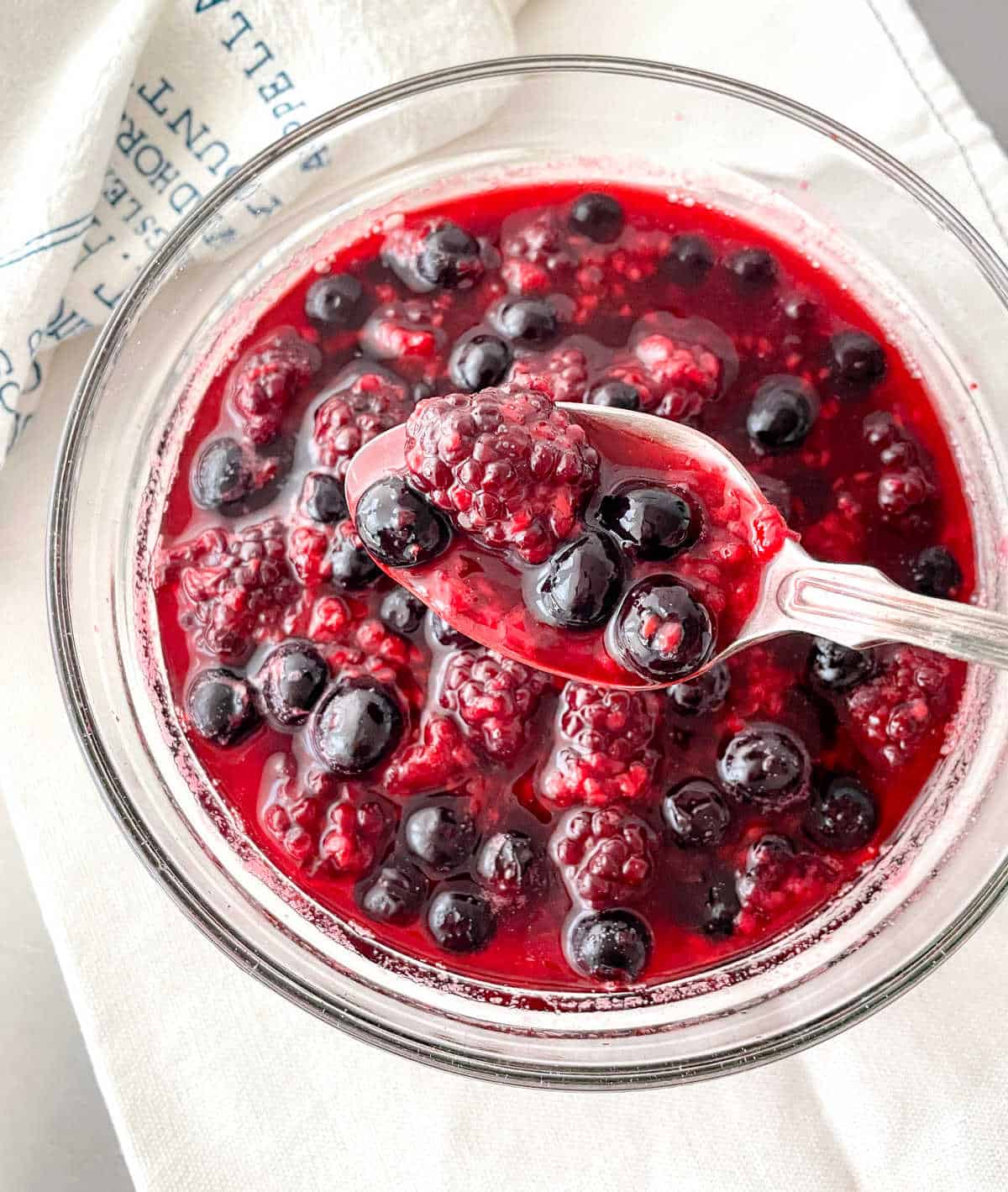
Classic Berry Compote
A sweet and tangy compote made from fresh berries, perfect for topping yogurt, cheesecakes, or pancakes. Rich in antioxidants and naturally sweetened.
🥘Ingredients
- 2 cups mixed berries (strawberries, blueberries, raspberries)
- 1 cup granulated sugar (adjust to taste)
- 1 cup water
- 1 tbsp lemon juice
- 1 tsp vanilla extract (optional)
👨🍳Directions
-
1
In a saucepan, combine berries, sugar, and water. Bring to a gentle boil. -
2
Reduce heat to low and let simmer for 15–20 minutes, stirring occasionally, until berries break down and mixture thickens. -
3
Remove from heat and stir in lemon juice and vanilla extract. Let cool to room temperature. -
4
For a smoother texture, strain through a fine-mesh sieve if desired. Store in an airtight container in the refrigerator for up to 1 week.
🔧Equipment
- Large saucepan
- Wooden spoon
- Fine-mesh strainer (optional)
- Bowl
📊Nutrition Facts (per serving)
📝Notes
- Adjust sugar to taste—berries vary in natural sweetness.
- Use fresh berries for the best flavor. Frozen berries work too.
- For a lighter version, reduce sugar by half and add a splash of unsweetened almond milk.
Watch Video Of How Classic Berry Compote Works
❓ Frequently Asked Questions About Berry Compote
What is the best way to prepare fresh berries for compote?
To prepare fresh berries for compote, start by washing them thoroughly under cold water to remove any dirt or debris. For berries like strawberries, raspberries, or blackberries, you can either use them whole or finely chop them for a smoother texture. For tart berries like blueberries or blackberries, you may want to mash them slightly with a fork to enhance sweetness and flavor. Always use ripe berries for the best taste and avoid any that are overly mushy or spoiled.
—
How can I adjust the sweetness level in my berry compote?
The sweetness of berry compote can be adjusted based on your preference. For a naturally sweet compote, use a mix of tart and sweet berries (e.g., strawberries and blueberries). If you want it sweeter, add a bit of honey, maple syrup, or sugar—start with 1–2 tablespoons and taste as you go. For a more balanced flavor, consider using a small amount of citrus juice (like lemon or orange) to brighten the taste. Avoid over-sweetening, as it can make the compote taste cloying.
—
Can I use frozen berries instead of fresh ones for compote?
Yes, frozen berries work perfectly for compote! They are often more affordable, last longer, and can be just as flavorful—especially if they’re labeled “no added sugar.” Thaw them under cold water or in the refrigerator first to remove excess moisture. If the compote turns too thin, simmer it slightly longer or reduce the liquid slightly. For a smoother texture, you can blend the thawed berries before cooking.
—
How long should I simmer the berry compote, and what’s the ideal temperature?
Simmer berry compote gently over medium heat until it thickens—this usually takes 15–25 minutes, depending on the berries. Stir occasionally to prevent sticking. The ideal temperature is medium-low heat (around 170–180°F or 75–80°C) to avoid burning the fruit. If the compote starts to bubble too vigorously, lower the heat. Taste as you go, and adjust sweetness or acidity if needed.
—
What are some great ways to serve berry compote?
Berry compote is incredibly versatile! Serve it warm or cold on desserts like apple or pear slices, yogurt, ice cream, or pancakes. It’s also delicious spread on toast, waffles, or croissants. For savory dishes, try drizzling it over cheese boards, grilled meats (like lamb or chicken), or even as a glaze for roasted potatoes. You can even use it as a filling for pastries or small cakes. Pair it with vanilla ice cream, whipped cream, or a dusting of powdered sugar for extra indulgence.

