
best cinnamon roll recipe

The Best best cinnamon roll recipe
What I love most about this recipe is how balanced it is. The dough isn’t overly rich, so it doesn’t leave you feeling weighed down, and the filling has just the right amount of spice and sugar. Plus, cinnamon itself has some great benefits—it’s anti-inflammatory, helps regulate blood sugar, and even has a warming effect that’s perfect for cooler months. I’ve made these for holidays, birthdays, and lazy Sundays, and they never disappoint. They’re versatile too; you can keep them classic with a simple cream cheese glaze or dress them up with chopped nuts or a drizzle of caramel. Either way, they’re always a hit.
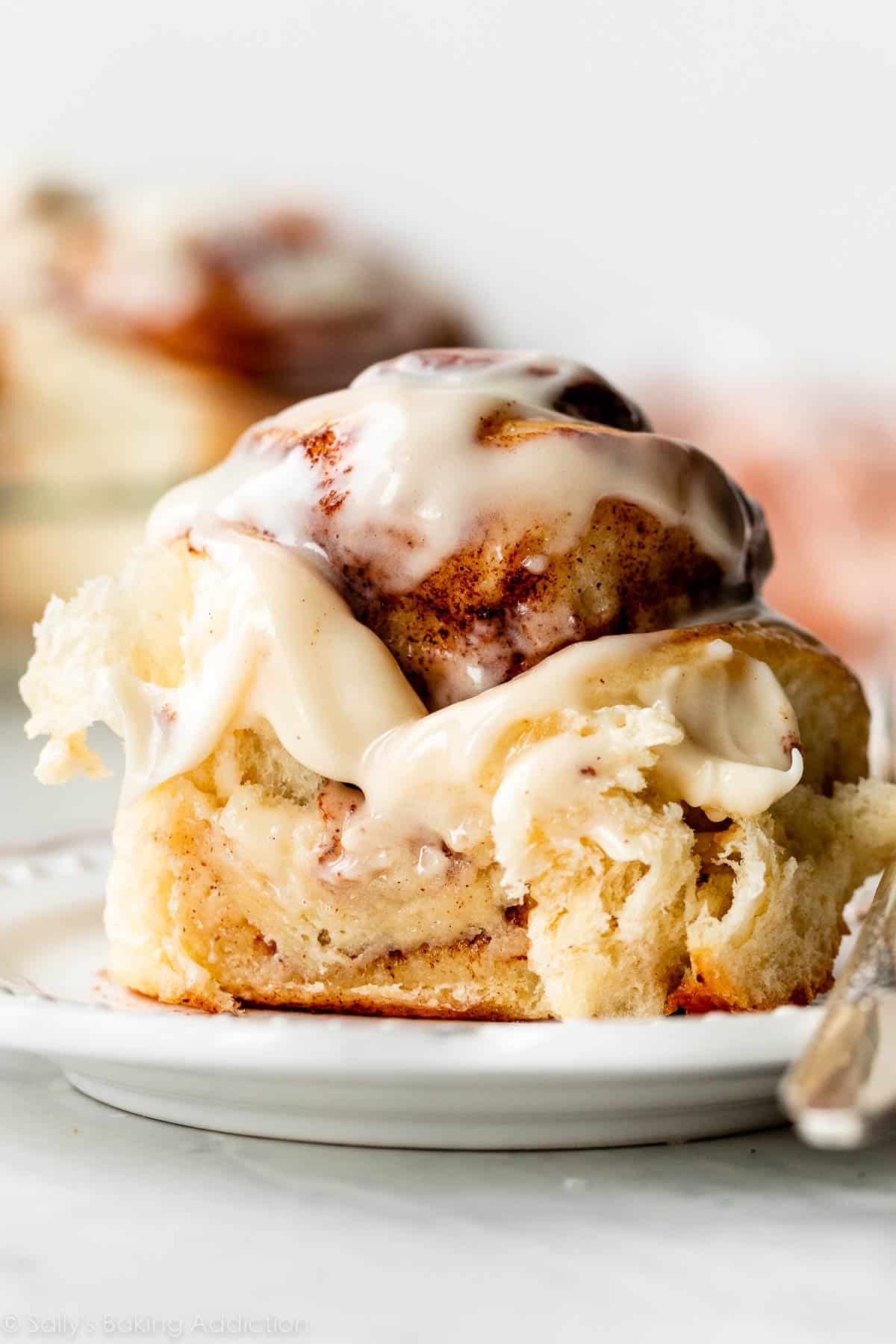
Ultimate Homemade Cinnamon Rolls
Soft, fluffy cinnamon rolls with a gooey cinnamon-sugar filling and creamy cream cheese frosting. Perfect for breakfast or a sweet treat any time of day.
🥘Ingredients
- 3 1/2 cups (440g) all-purpose flour, plus more for dusting
- 1/4 cup (50g) granulated sugar
- 1 tsp salt
- 1 packet (2 1/4 tsp) instant yeast
- 3/4 cup (180ml) whole milk, warmed to 110°F
- 1/4 cup (60ml) water, warmed to 110°F
- 1 large egg, room temperature
- 1/4 cup (57g) unsalted butter, melted and cooled
- 3/4 cup (150g) packed light brown sugar
- 2 tbsp ground cinnamon
- 1/4 cup (57g) unsalted butter, softened
- 4 oz (113g) cream cheese, softened
- 1/4 cup (57g) unsalted butter, softened
- 1 cup (120g) powdered sugar
- 1 tsp vanilla extract
- 1-2 tbsp whole milk
👨🍳Directions
-
1
In a large bowl or the bowl of a stand mixer, whisk together flour, sugar, salt, and yeast. -
2
Add warmed milk, water, egg, and melted butter. Mix with a dough hook (or by hand) on low speed until combined, then increase to medium and knead for 5-7 minutes until smooth and elastic. -
3
Shape the dough into a ball, place in a lightly greased bowl, cover with a clean towel, and let rise in a warm place for 1-1.5 hours or until doubled in size. -
4
While the dough rises, prepare the filling by mixing brown sugar and cinnamon in a small bowl. Set aside. -
5
Once risen, punch down the dough and turn it out onto a lightly floured surface. Roll into a 12×18-inch rectangle. -
6
Spread softened butter evenly over the dough, then sprinkle the cinnamon-sugar filling, leaving a 1/2-inch border along one long edge. -
7
Starting from the long edge opposite the bare border, tightly roll the dough into a log. Pinch the seam to seal. -
8
Use a sharp knife or dental floss to cut the log into 12 equal rolls (about 1.5 inches each). -
9
Arrange rolls in a greased 9×13-inch baking dish, cover with a towel, and let rise for 30-45 minutes until puffy. -
10
Preheat oven to 350°F (175°C). Bake rolls for 22-25 minutes or until golden brown and cooked through. -
11
While rolls bake, make the frosting: Beat cream cheese and butter until smooth. Add powdered sugar, vanilla, and milk, mixing until creamy. -
12
Let rolls cool for 5 minutes, then spread frosting evenly over the top. Serve warm.
🔧Equipment
- Large mixing bowl
- Stand mixer with dough hook (or hand mixer)
- Rolling pin
- 9×13-inch baking dish
- Parchment paper
- Pastry brush
- Sharp knife or dental floss (for cutting rolls)
- Small mixing bowl
📊Nutrition Facts (per serving)
📝Notes
Watch Video Of How Ultimate Homemade Cinnamon Rolls Works
❓ Frequently Asked Questions About Cinnamon Rolls
1. What makes a cinnamon roll truly the “best”?
The best cinnamon rolls are soft, fluffy, and perfectly gooey with a balanced sweetness—neither too dry nor overly sticky. Key factors include a well-proofed, buttery dough, a generous filling of cinnamon-sugar (and sometimes a touch of brown sugar or vanilla), and a creamy frosting that melts into the warm rolls. The texture should be light yet rich, with layers that pull apart easily. Many top recipes also use bread flour for structure and a slow rise for maximum fluffiness.
2. Can I make cinnamon rolls ahead of time?
Yes! You can prepare cinnamon rolls in advance in a few ways:
– Dough stage: Make the dough, let it rise once, then refrigerate overnight (up to 18 hours). Shape and bake in the morning.
– Shaped rolls: Roll out the dough, add filling, and cut into rolls. Place in a pan, cover, and refrigerate overnight. Let them rise at room temperature before baking.
– Baked rolls: Fully bake, cool, and store at room temperature for 1–2 days. Reheat in the microwave or oven (covered with foil) before serving.
3. Why did my cinnamon rolls turn out dense or tough?
Dense or tough cinnamon rolls usually result from over-kneading the dough, using too much flour, or not letting the dough rise long enough. Other common mistakes include:
– Over-flouring the surface while rolling (use a light dusting).
– Under-proofing (the dough should double in size before baking).
– High oven temperature (bake at 350–375°F for even cooking).
– Old yeast (check expiration dates and proof yeast in warm water first).
For extra tenderness, some bakers add an extra egg yolk or a splash of heavy cream to the dough.
4. What’s the secret to ultra-gooey cinnamon rolls?
The gooey factor comes from a few key tricks:
– Brown sugar in the filling (it caramelizes better than white sugar).
– Melted butter brushed on the dough before adding the filling.
– A pinch of salt in the filling to balance sweetness.
– Heavy cream or milk poured over the rolls just before baking (this steams them, creating a custard-like texture).
– Baking at the right temperature (too hot = dry rolls; too low = undercooked centers).
Let them cool for 5–10 minutes after baking so the filling sets slightly before frosting.
5. Can I make cinnamon rolls without a stand mixer?
Absolutely! While a stand mixer makes kneading easier, you can make cinnamon rolls by hand. Here’s how:
1. Mix the dough in a large bowl with a wooden spoon until combined.
2. Knead by hand on a lightly floured surface for 8–10 minutes (the dough should be smooth and elastic).
3. Let it rise in a warm, draft-free spot (like an oven with the light on).
4. Roll out the dough using a rolling pin, then add filling and shape as usual.
Hand-kneaded dough may require a slightly longer rise time, but the results can be just as fluffy! For extra help, use a dough scraper to fold and stretch the dough during kneading.


