
blooming onion sauce recipe

The Best blooming onion sauce recipe
I love this recipe because it’s so versatile. It’s perfect for a casual weeknight dinner or a special occasion—maybe a Sunday family meal or even a potluck where you want something hearty but not too heavy. Plus, it’s got this subtle sweetness that balances out whatever you’re serving it with, whether it’s a juicy burger, crispy fried chicken, or just a simple plate of roasted veggies. And let’s be honest, kids love it too—it’s sweet enough to make them want to eat it, but it’s still packed with flavor that makes them feel grown-up. My boys still ask for it sometimes, even though they’re in their twenties now.
The health benefits are pretty neat too. Onions are packed with antioxidants and vitamins, and this method of slow cooking brings out all those natural flavors without needing a ton of oil. It’s a way to make something delicious without overdoing the calories, and it’s a great way to sneak in some extra veggies if you’re watching what you eat. Plus, the way it makes everything taste better makes you want to eat more of the good stuff—like lean proteins or fresh greens—without even realizing it. It’s that kind of dish that feels like a treat but is actually pretty balanced.
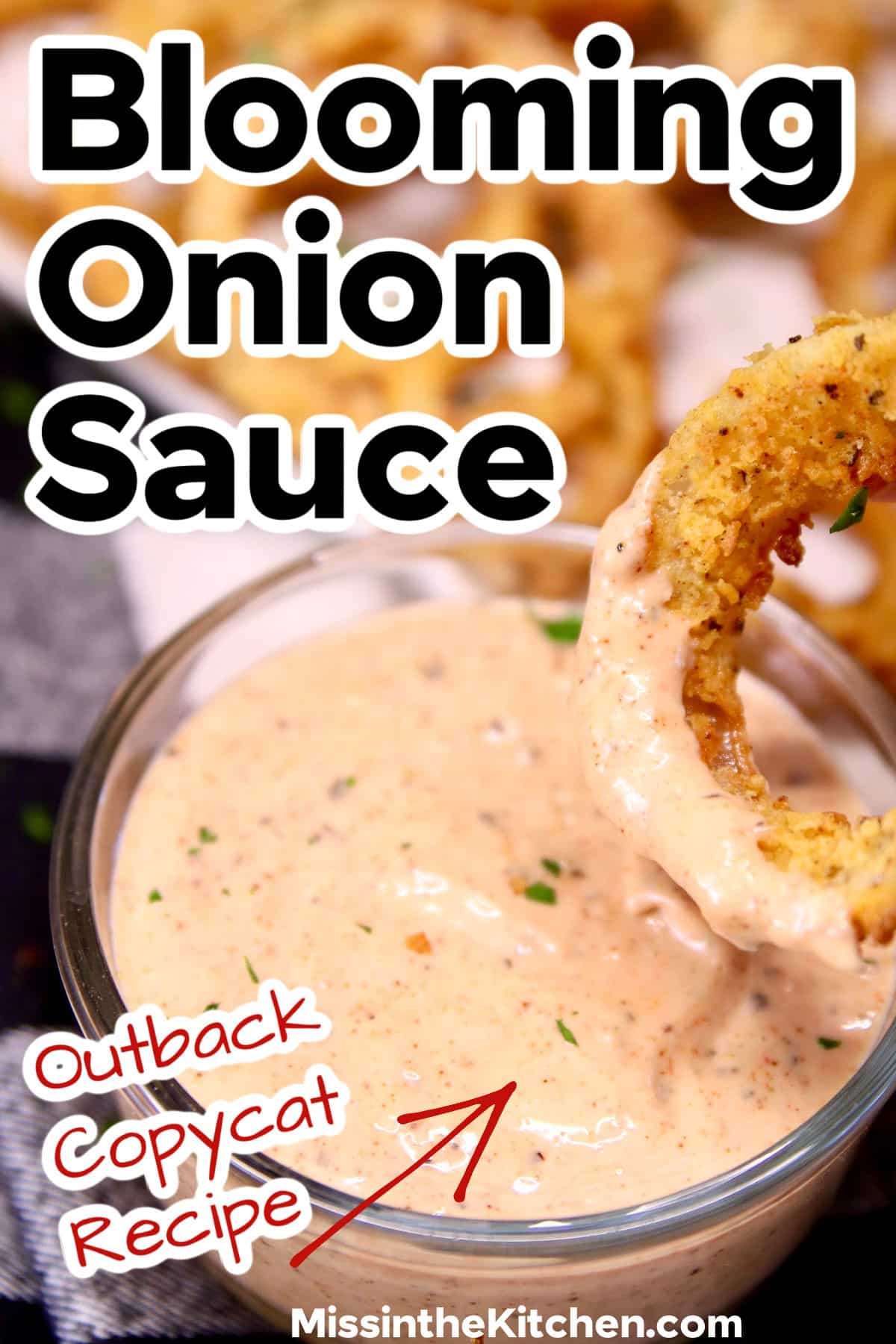
Blooming Onion Sauce with Garlic and Tomato
A rich, aromatic sauce made by slowly cooking onions and garlic until they bloom with flavor, perfect for pasta, grilled meats, or as a base for other dishes. This recipe is a must-try for any occasion.
🥘Ingredients
- 2 large yellow onions, thinly sliced
- 2 tbsp olive oil
- 1 tsp salt
- 1 tsp black pepper
- 1 tsp dried thyme
- 4 cloves garlic, minced
- 1 cup tomato sauce (or crushed tomatoes)
- 1 tbsp butter
- 1 tsp sugar (optional, to balance acidity)
- 1 tbsp fresh parsley, chopped
👨🍳Directions
-
1
Preheat oven to 375°F (190°C) if using an oven for caramelizing onions, or keep the skillet on medium-low heat. -
2
In a skillet, heat olive oil over medium heat. Add sliced onions and cook, stirring occasionally, until deeply colored and fragrant (about 25-30 mins). For extra depth, transfer to a baking sheet and broil for 5-7 mins if desired. -
3
Remove onions from heat and set aside. In the same skillet, melt butter over medium heat. Add minced garlic and cook for 30 seconds until fragrant. -
4
Add tomato sauce, salt, pepper, and thyme. Simmer for 10 mins, stirring occasionally. Stir in cooked onions and simmer for another 5 mins. Finish with chopped parsley.
🔧Equipment
- Large skillet or Dutch oven
- Wooden spoon
- Fine-mesh strainer (optional)
📊Nutrition Facts (per serving)
📝Notes
Tips
- For a deeper flavor, add a splash of red wine while cooking the onions.
- Strain the sauce if you prefer a smoother texture.
- Use the blooming onions in other dishes like grilled meats, soups, or as a topping for roasted vegetables.
Substitutions: {“tomato sauce”:”Use a mix of crushed tomatoes and tomato paste for a thicker consistency.”,”onions”:”Substitute with shallots or leeks for a milder flavor.”}
Watch Video Of How Blooming Onion Sauce with Garlic and Tomato Works
❓ Frequently Asked Questions About Blooming Onion Sauce with Garlic and Tomato
What is the key difference between a traditional blooming onion sauce and a traditional white sauce?
A traditional blooming onion sauce starts with finely chopped onions that are slowly cooked down to a rich, caramelized depth, then deglazed with a small amount of liquid (like broth or wine) to create a flavorful base. In contrast, a traditional white sauce (like béchamel) relies on a roux (fat and flour cooked together) as its foundation, with milk or cream added to thicken it, and often includes cheese or herbs for flavor.
How long should I let the onions bloom before adding other ingredients?
For a classic blooming onion sauce, cook the onions until they’re deeply caramelized—typically around 30 to 45 minutes on low heat. The goal is to develop a sweet, complex flavor, so avoid rushing. If you’re using a quick method (like a blender), you can reduce the time to 15–20 minutes, but texture may differ.
Can I substitute wine or broth for the traditional liquid used in deglazing?
Yes! While a dry white wine (like Sauvignon Blanc or Pinot Grigio) or light chicken/vegetable broth works well, you can also use:
– Tomato paste (for a slightly tangy twist)
– Apple cider vinegar (for brightness)
– Lemon juice (to brighten the sauce)
Just reduce the liquid slightly to avoid thinning the sauce.
How do I prevent the blooming onion sauce from becoming too thick or watery?
To maintain the right consistency:
1. Cook onions slowly—too much heat can break down their natural sweetness and make them mushy.
2. Deglaze carefully—use just enough liquid (1–2 tbsp) to scrape up the caramelized bits, then simmer to reduce before adding cream or milk.
3. Add cream/milk gradually—whisk in small batches to avoid over-thinning.
4. Adjust with cornstarch slurry (if needed) by mixing 1 tbsp cornstarch with 2 tbsp cold water, then stirring in to thicken.
What’s the best way to incorporate herbs and spices into a blooming onion sauce?
For a balanced flavor, add herbs and spices at different stages:
– Early (with onions): Fresh thyme, rosemary, or parsley (chopped finely).
– Mid (after caramelization): Garlic powder, smoked paprika, or a pinch of red pepper flakes.
– Late (after deglazing): Fresh parsley, chives, or a dash of nutmeg or cinnamon for warmth.
Avoid overpowering the onions—start with ¼–½ tsp of spices and taste as you go.


