
brisket rub recipe

The Best brisket rub recipe
What really sets this brisket rub apart is how easy it is to customize while keeping the best results. There’s nothing like that first bite of perfectly seasoned, slow-cooked meat, and the kids always ask for the rub recipe next time. It’s hearty enough for big meals but light enough to enjoy on a weeknight if you’re in a hurry—just a little extra time in the oven makes all the difference. Plus, the health benefits aren’t bad either. Lean cuts of beef, packed with protein and iron, keep us full longer, and the spices add flavor without the excess salt that can sneak in with processed meats. It’s a win-win for the whole family.
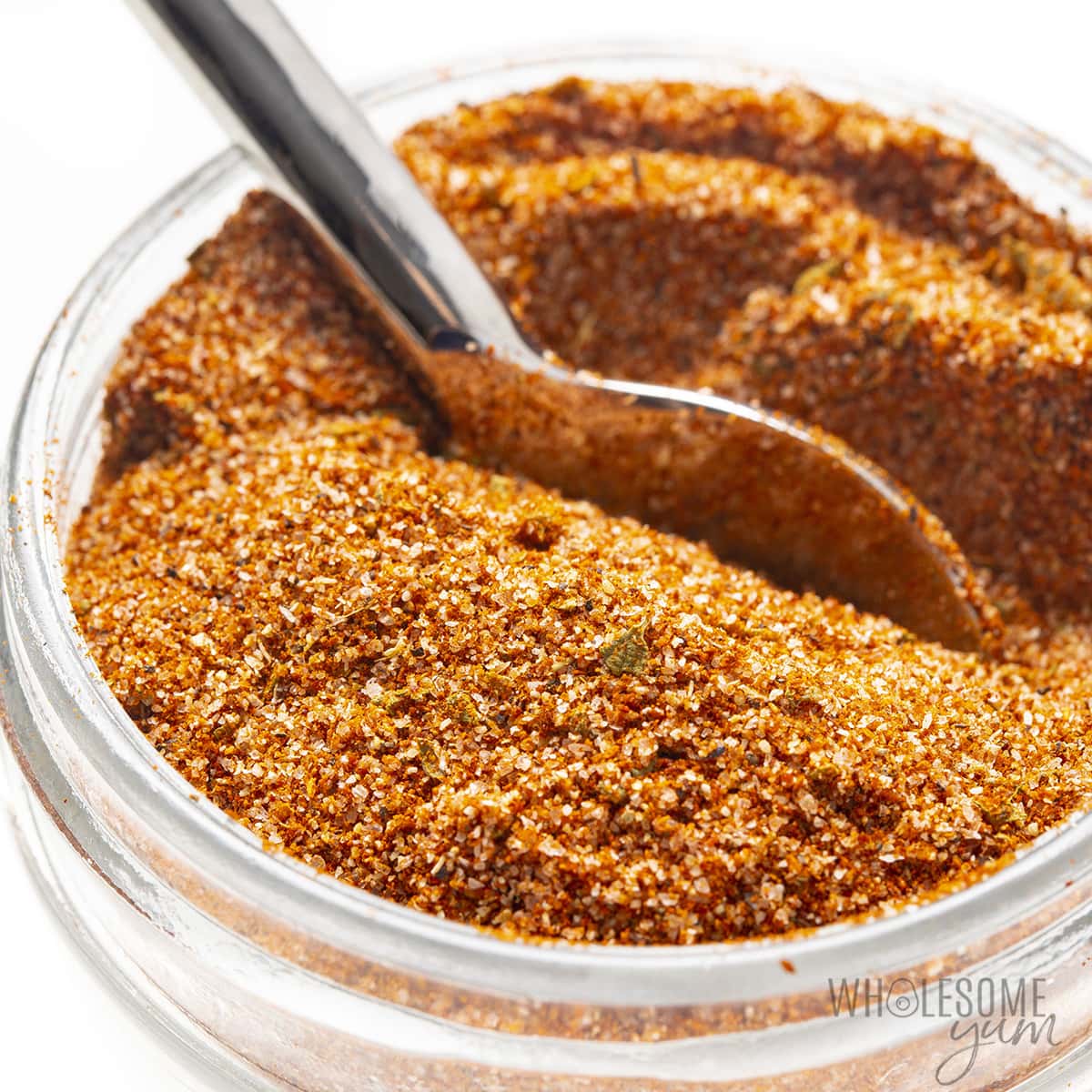
Classic Texas Brisket Rub Recipe
A well-seasoned brisket rub enhances the natural flavors of beef with a perfect balance of spices for a smoky, tender result. This recipe is a must-try for any occasion.
🥘Ingredients
- 2 tbsp coarse kosher salt
- 2 tbsp black pepper
- 1 tbsp smoked paprika
- 1 tbsp garlic powder
- 1 tbsp onion powder
- 1 tbsp brown sugar
- 1 tbsp chili powder
- 1 tbsp ground cumin
- 1 tsp cayenne pepper (adjust to taste)
- 1 tsp dried oregano
- 1 tsp dried thyme
- 1 tsp ground coriander
- 4 quarts water
- 1 cup kosher salt
- 2 tbsp black pepper
- 2 tbsp garlic powder
- 2 tbsp onion powder
- 1 tbsp brown sugar
👨🍳Directions
-
1
In a mixing bowl, combine all the rub ingredients and mix thoroughly until evenly distributed. -
2
If using brining, dissolve the salt, pepper, garlic powder, onion powder, and brown sugar in the water. Pour the brine into a large container and submerge the brisket for at least 4-12 hours (overnight is ideal). -
3
Pat the brisket dry with paper towels after brining (if used). Apply the rub generously over the entire surface of the brisket, pressing it into the meat. -
4
Place the brisket in a slow cooker, covered with foil, and cook on low for 8-10 hours or high for 6-7 hours. Alternatively, cook in an oven at 225°F (107°C) wrapped in foil for 8-10 hours. -
5
Remove the brisket from the cooker or oven and let it rest for 30 minutes before slicing against the grain.
🔧Equipment
- Mixing bowl
- Whisk or spoon
- Large cutting board
- Brisket cutting board or tray
- Aluminum foil (for brining)
- Slow cooker or oven (for cooking)
- Meat thermometer
📊Nutrition Facts (per serving)
📝Notes
- For extra tenderness, consider using a meat tenderizer or wrapping the brisket in butcher paper during the last 2 hours of cooking.
- Adjust the cayenne pepper to suit your spice preference. Smaller amounts will make it milder.
- This rub works well with other meats like pork shoulder or chicken if adjusted slightly.
- Ensure the brisket reaches an internal temperature of 195°F (90°C) for fall-off-the-bone tenderness.
Watch Video Of How Classic Texas Brisket Rub Recipe Works
❓ Frequently Asked Questions About Texas Brisket Rub
What is the best ratio of spices for a classic brisket rub?
The classic brisket rub typically uses a 1:1:1:1 ratio of coarse salt, coarse black pepper, smoked paprika, and garlic powder. For a deeper flavor, you can add 1 tsp of onion powder, ½ tsp of cayenne pepper (adjust for heat preference), and ½ tsp of brown sugar to balance the spices. Some prefer a slightly higher ratio of paprika (1.5:1:1:1) for extra smokiness.
Can I substitute any of the spices in the brisket rub, and if so, what are good alternatives?
Yes, you can tweak the rub based on taste preferences:
– Smoked paprika → Brown or cayenne paprika for heat.
– Garlic powder → Fresh minced garlic or onion powder.
– Brown sugar → White sugar, honey, or even a touch of molasses for a sweeter profile.
– Cayenne → Red pepper flakes or more smoked paprika for mild heat.
Avoid replacing coarse salt and black pepper unless you want a weaker seasoning.
How do I ensure the rub sticks well to the brisket without falling off?
For a better grip, follow these steps:
1. Pat the brisket dry with paper towels to remove moisture.
2. Apply a light coat of oil or bacon fat (or cooking spray) to create a barrier between the meat and spices.
3. Use a coarse texture—rub the spices directly onto the meat with your hands or a dry brush.
4. Let it sit for at least 30 minutes (or overnight in the fridge) to allow flavors to penetrate.
5. Seal the rub during cooking by basting with rendered fat or a brisket sauce.
What’s the best way to store leftover brisket rub for future use?
Store the rub in an airtight container or jar in the fridge for up to 2 weeks. For longer storage (up to 6 months), freeze it in a small portion (like a spoonful) in ice cube trays or a freezer-safe bag. Avoid reusing old rubs—discard if it smells off or loses texture.
Should I use a hot or dry rub, and when is each better?
– Hot Rub (with cayenne, red pepper flakes, or chili powder) → Best for spicy lovers, especially when smoking at lower temps (225–250°F) to avoid burning the meat. Adds heat without overpowering the brisket.
– Dry Rub (mild paprika, brown sugar, garlic) → Ideal for classic, smoky flavor and works well with wet rubs (like a bourbon or apple cider glaze). Great for those who prefer a balanced, less spicy taste.
Choose based on your preference—many brisket styles use a combination of both!


