
buckwheat bread recipe


The Best buckwheat bread recipe
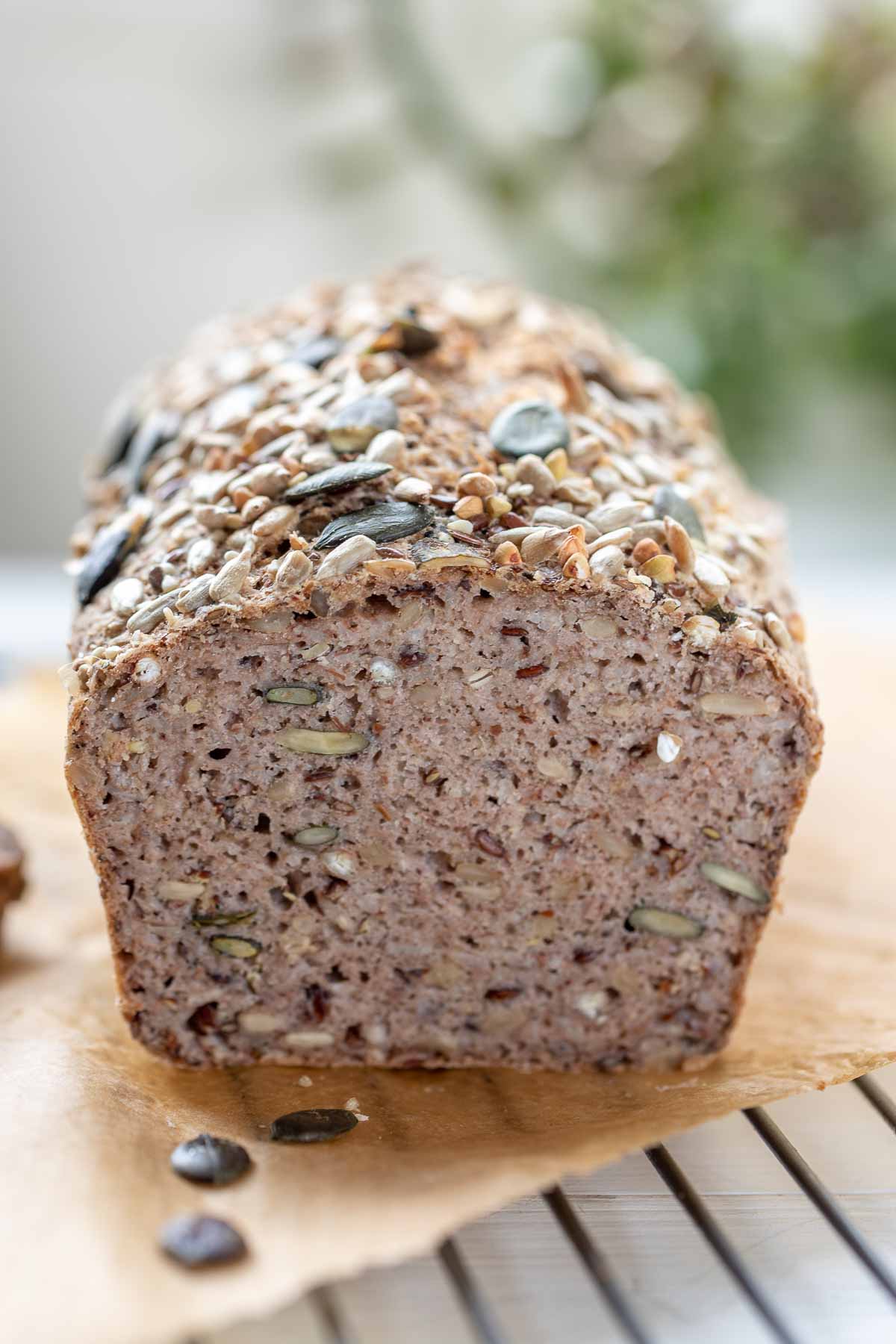
Classic Buckwheat Bread with Garlic Tomato Sauce
A hearty, nutty loaf of buckwheat bread paired with a savory garlic tomato sauce. Perfect for toast, sandwiches, or as a side.
🥘Ingredients
- 1 cup buckwheat flour
- 1 cup all-purpose flour
- 1 tsp salt
- 1 tsp active dry yeast
- 1/2 cup warm water
- 1 cup tomato sauce
- 2 cloves garlic, minced
- 1 tbsp olive oil
- 1/2 tsp dried oregano
- Salt and pepper to taste
👨🍳Directions
-
1
Preheat oven to 375°F. In a large bowl, combine buckwheat flour, all-purpose flour, salt, and yeast. Stir in warm water until a dough forms. -
2
Knead the dough for 5–7 minutes until smooth and elastic. Place in a greased loaf pan and cover with a damp towel. Let rise in a warm place for 1 hour, or until doubled in size. -
3
Preheat oven to 425°F. In a small pan, heat olive oil over medium heat. Sauté garlic until fragrant, then add tomato sauce, oregano, salt, and pepper. Simmer for 5 minutes. -
4
Pour the sauce over the risen dough in the pan. Bake for 25–30 minutes, or until the bread is golden brown and sounds hollow when tapped on the bottom.
🔧Equipment
- Mixing bowls
- Kneading surface
- Oven
- Loaf pan
📊Nutrition Facts (per serving)
📝Notes
Watch Video Of How Classic Buckwheat Bread with Garlic Tomato Sauce Works
❓ Frequently Asked Questions About Buckwheat Bread with Garlic Tomato Sauce
1. What is the difference between buckwheat and regular wheat bread?
Buckwheat bread uses buckwheat flour, which is technically a grain but has a distinct, slightly nutty flavor and chewier texture compared to traditional wheat flour. It’s naturally gluten-free, so it may not rise as much or have the same soft crumb as conventional wheat bread. Buckwheat retains its earthy taste even when baked, while wheat bread often softens or loses its flavor over time.
2. Can I substitute regular flour for buckwheat flour in this recipe?
No, you shouldn’t substitute regular flour entirely—buckwheat flour has a unique structure and flavor that regular flour lacks. If you must, mix it with all-purpose flour (about 50%) to improve texture, but the bread won’t be as authentic or chewy. For best results, stick to the buckwheat flour called for in the recipe.
3. How long should I let the dough rise before baking?
The dough should rise for about 1 to 1½ hours, or until it nearly doubles in size. Overproofing can make the bread dense, so check it gently by pressing a finger into the top—if it springs back slowly, it’s ready. If you’re in a hurry, you can bake it sooner, but the texture won’t be as light.
4. Why does my buckwheat bread taste bitter or harsh?
Buckwheat can sometimes develop a bitter or earthy flavor if left too long in the fridge or if the flour was stored improperly. To avoid this, use fresh buckwheat flour and store your bread in an airtight container within a day or two of baking. If the flavor is already off, try baking a fresh batch with a small amount of honey or molasses in the dough for extra sweetness.

